


- Home
- Discover
- Municipalities
- Riosa
Riosa
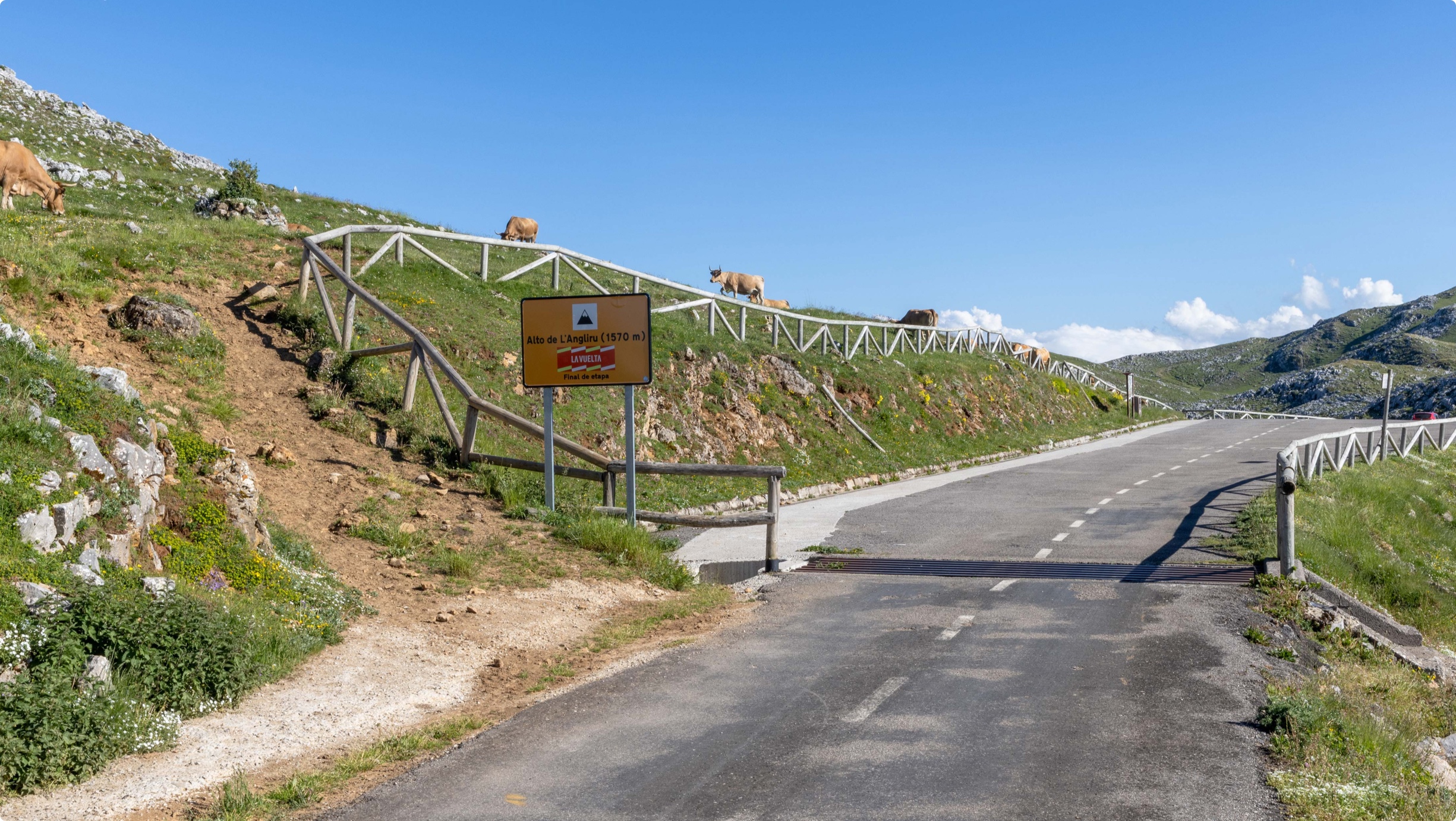
The council of the Angliru, Spanish cycling's hardest climb
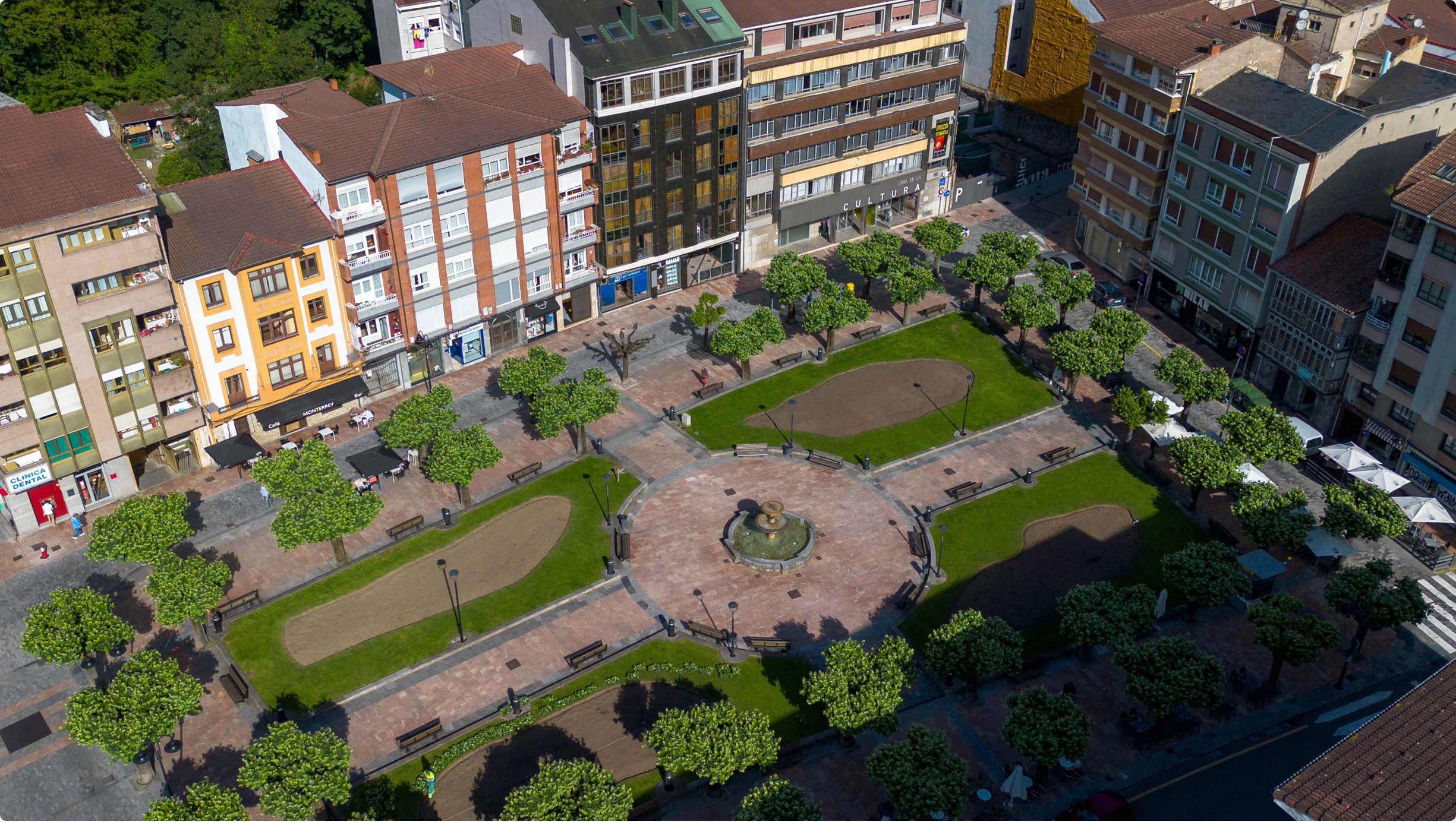
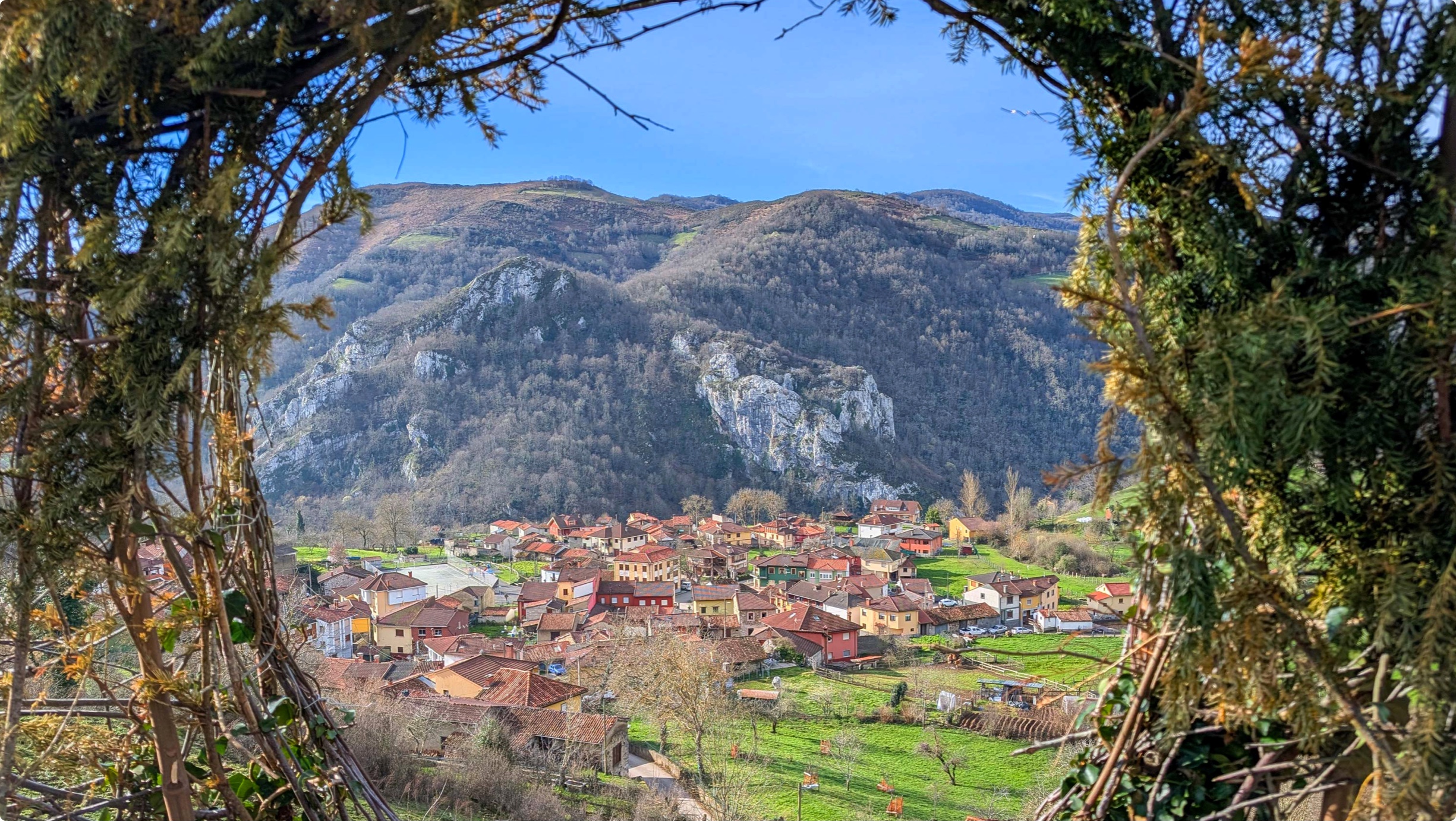
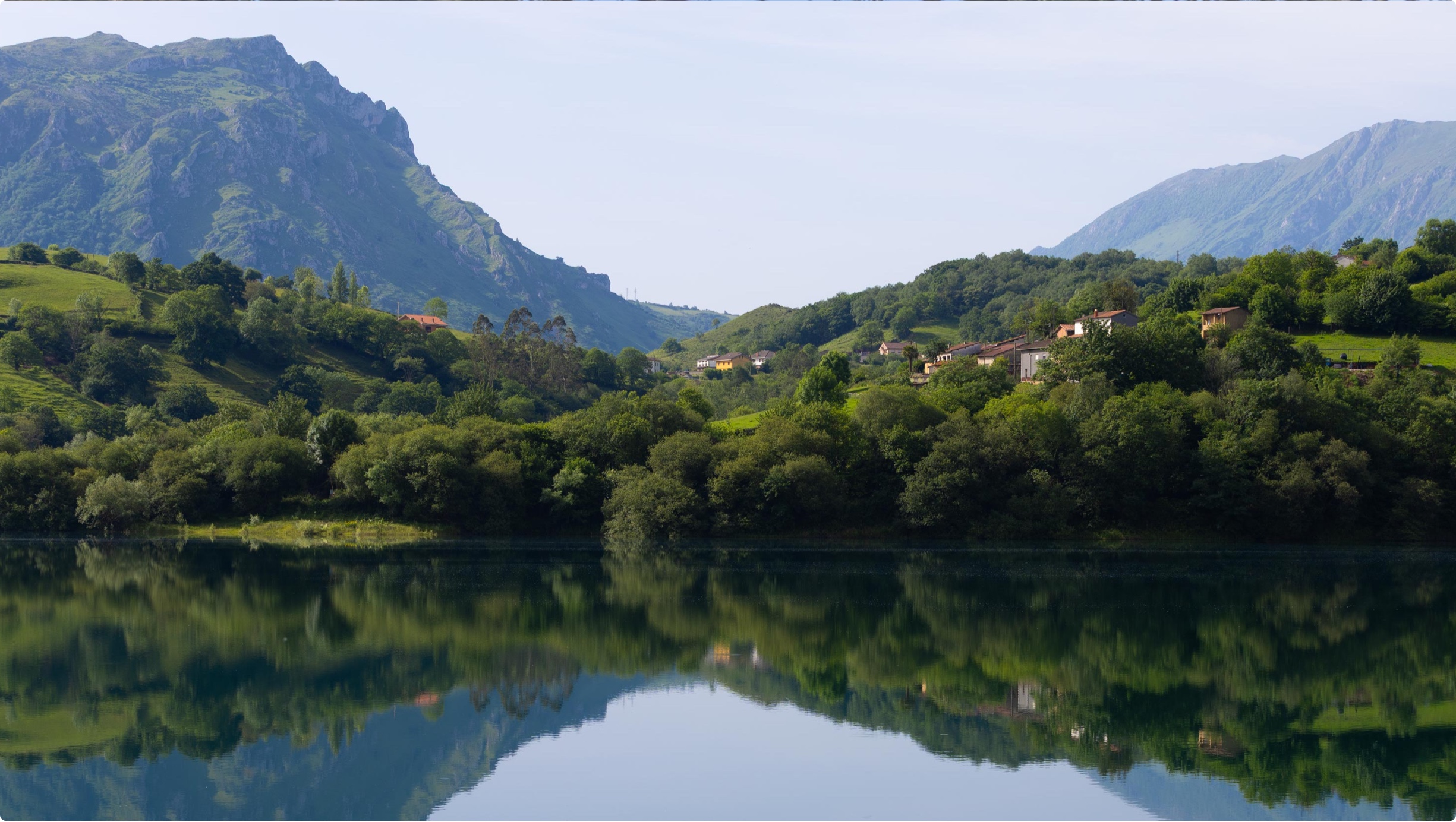
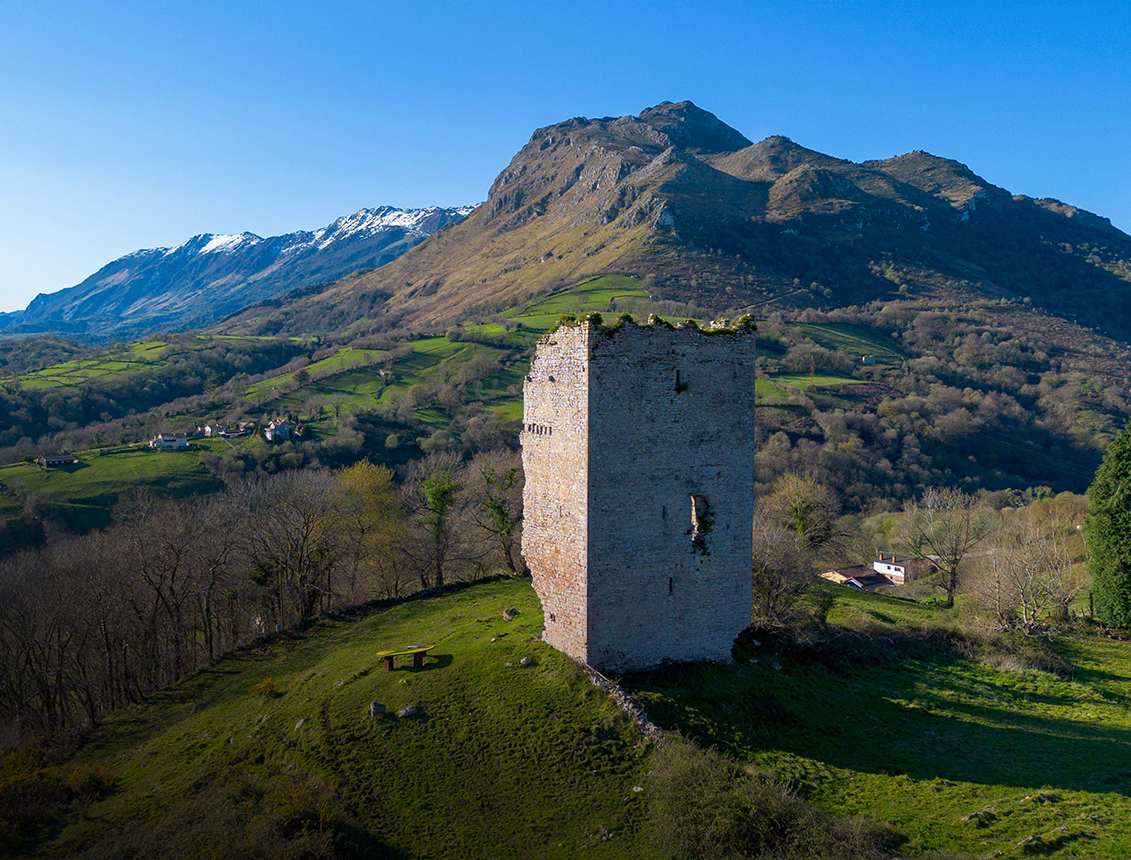
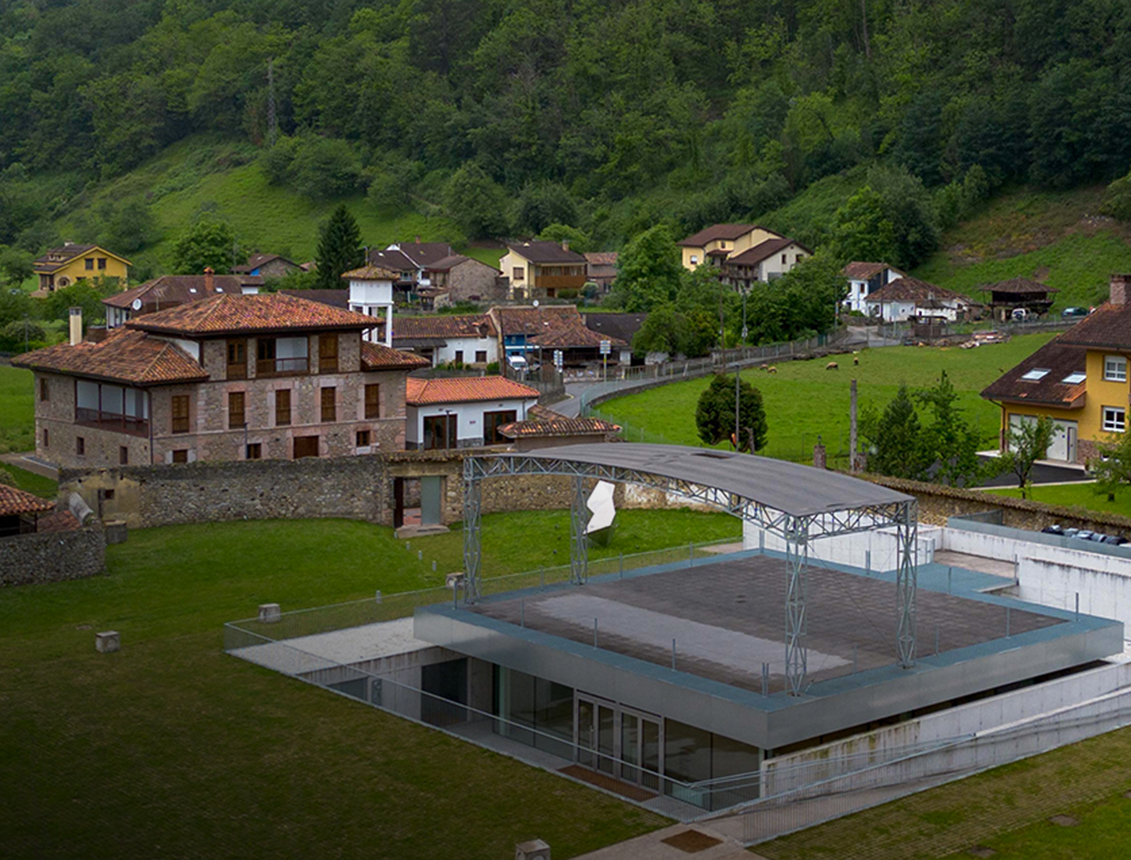
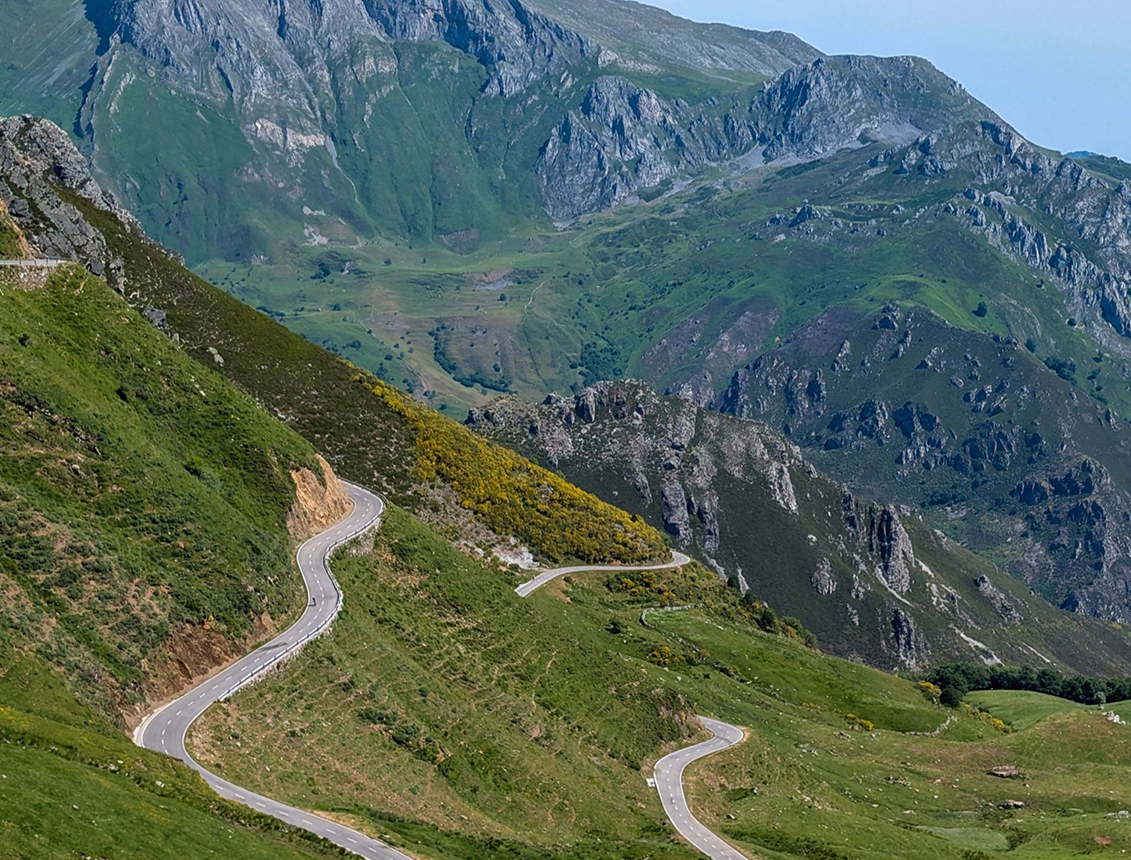
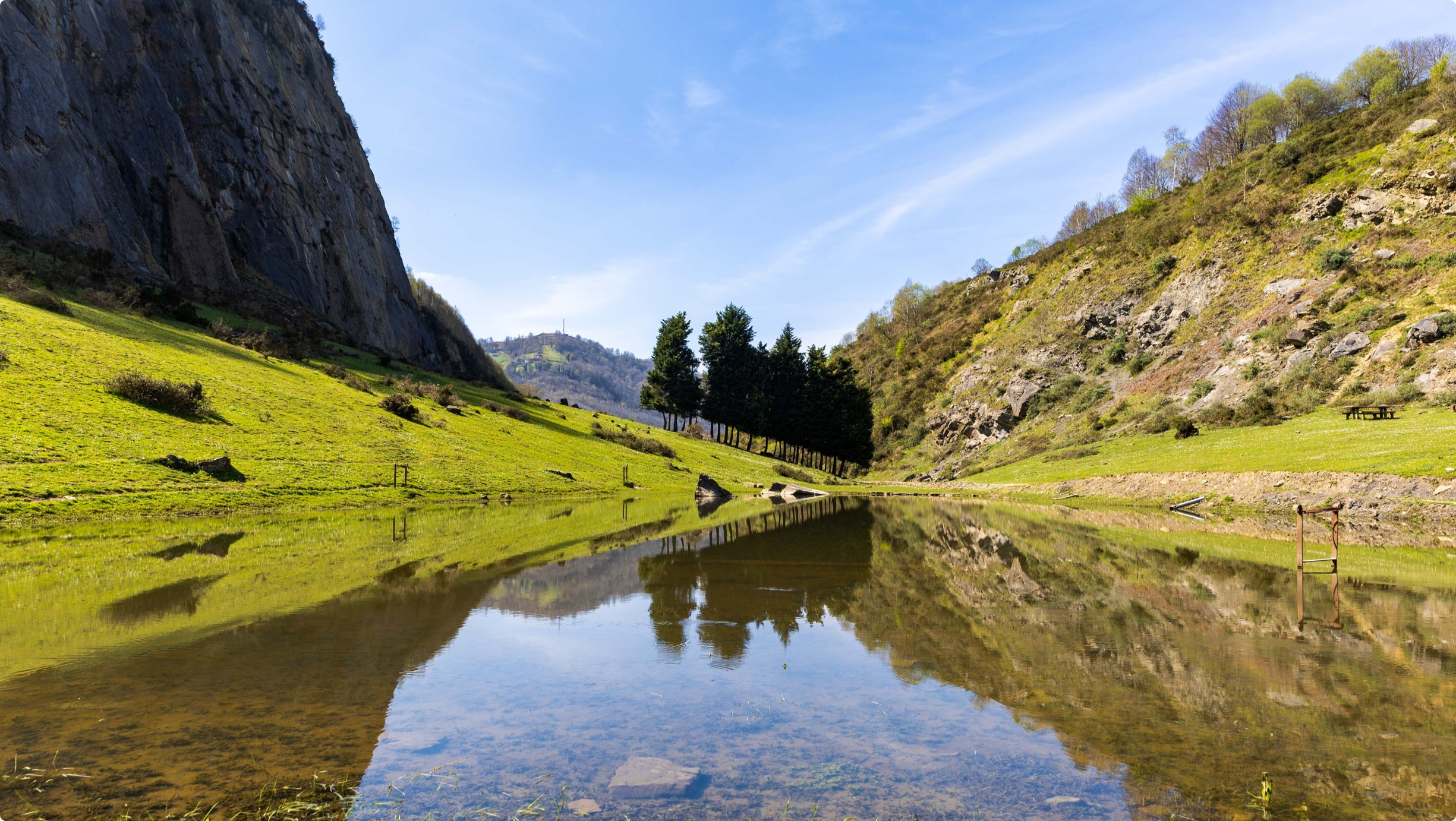
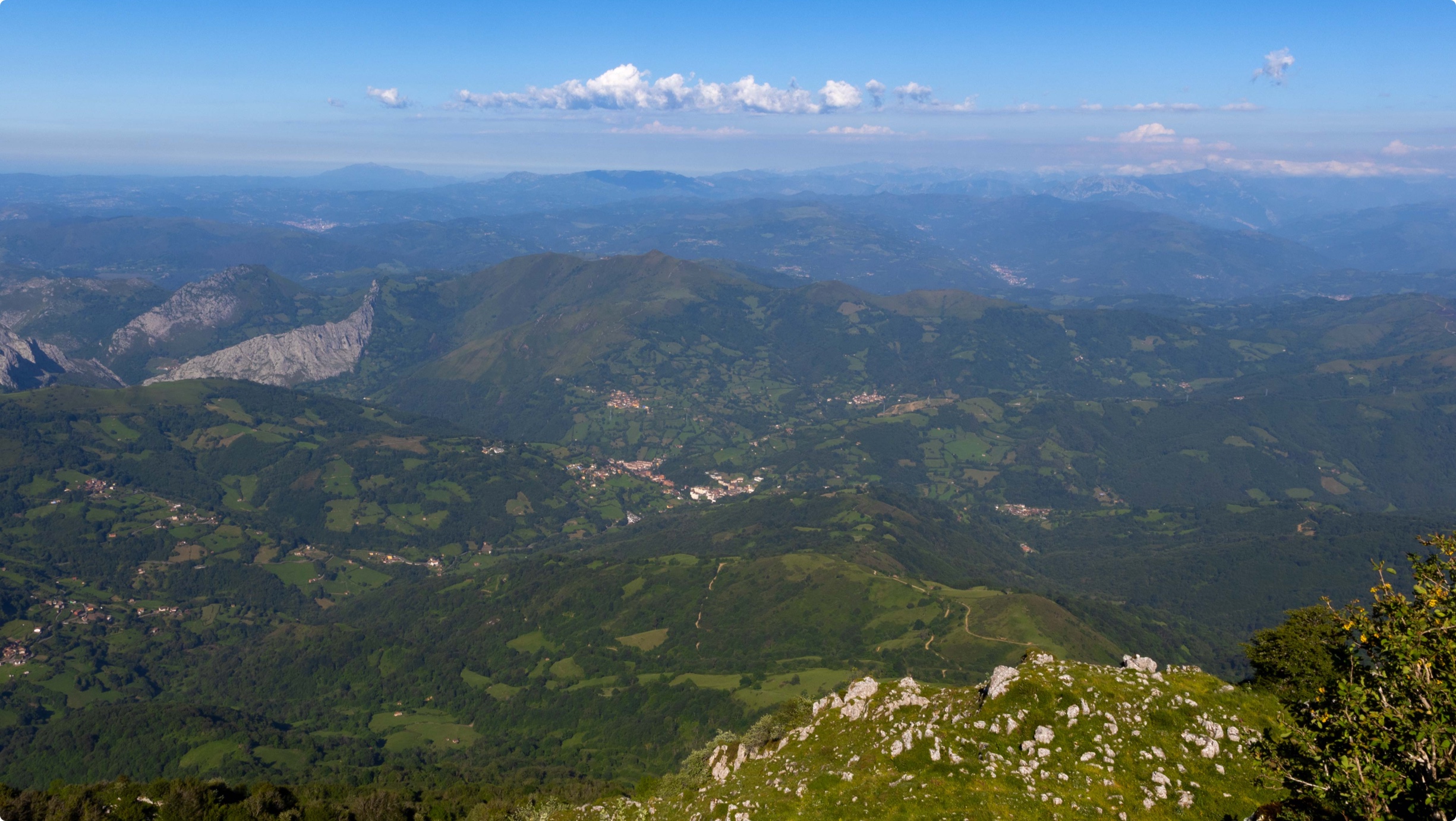
Riosa is inextricably linked to the Angliru, one of cycling’s toughest and best-known mountain passes. But the municipality begins long before its most famous climbs. La Vega, L’Ará and the other villages in the valley are scattered amongst rivers and hillsides, beneath the ever-present Sierra del Aramo. It is a region of narrow roads, steep gradients and nearby mountains, where the terrain forms part of daily life and not just the sporting experience.
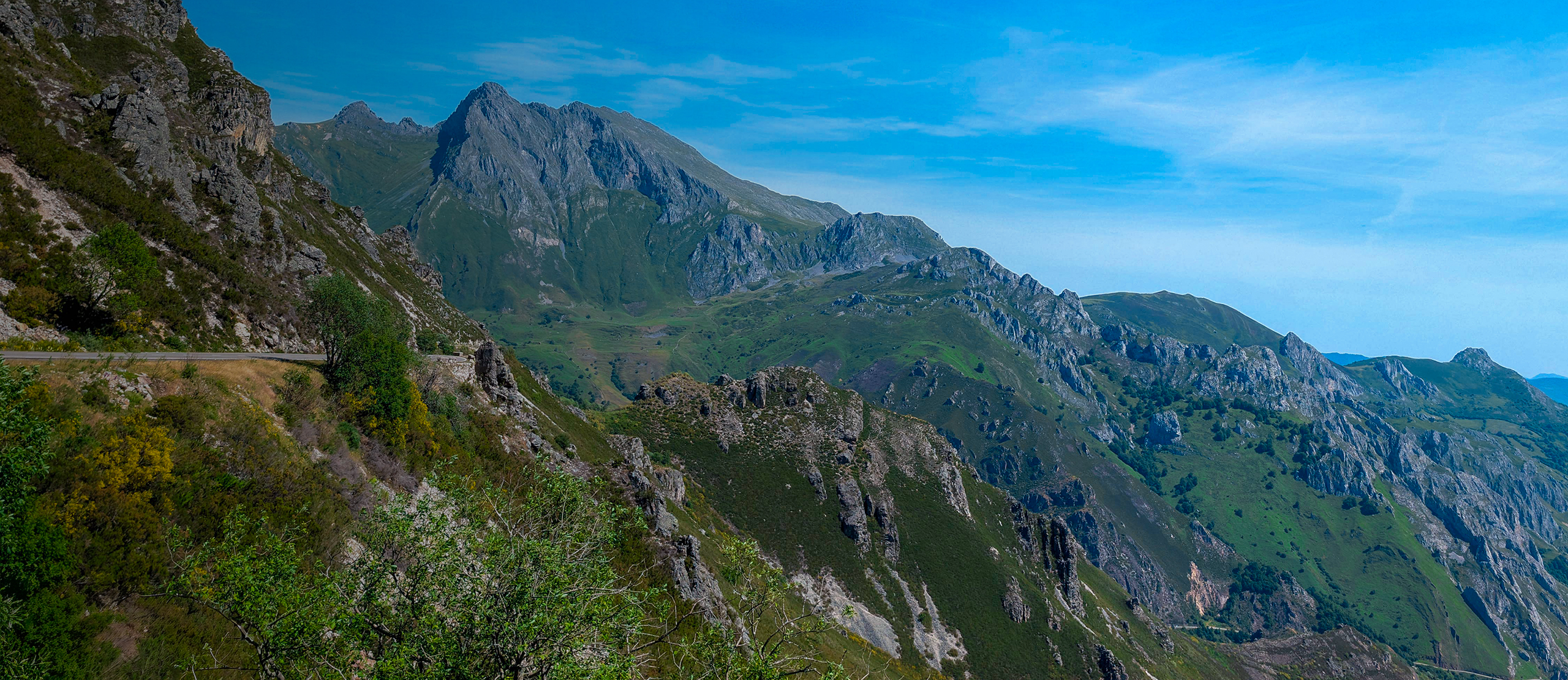
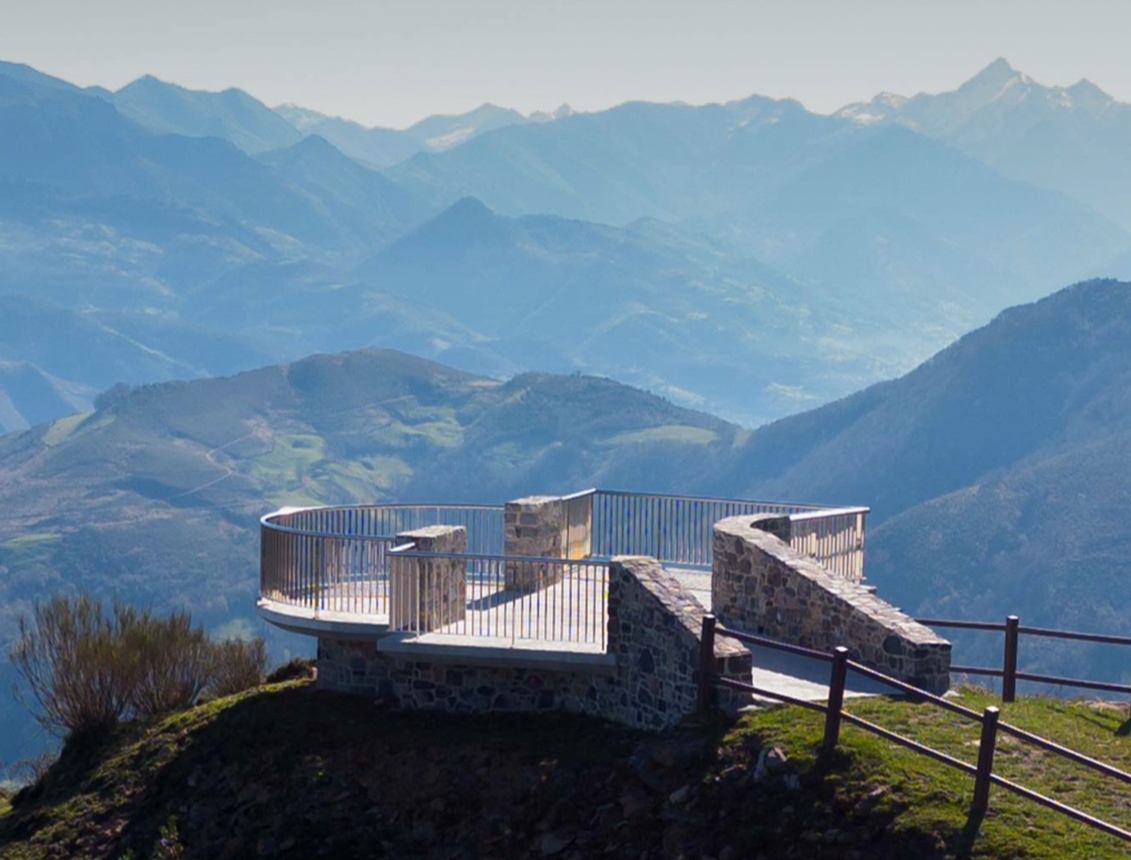
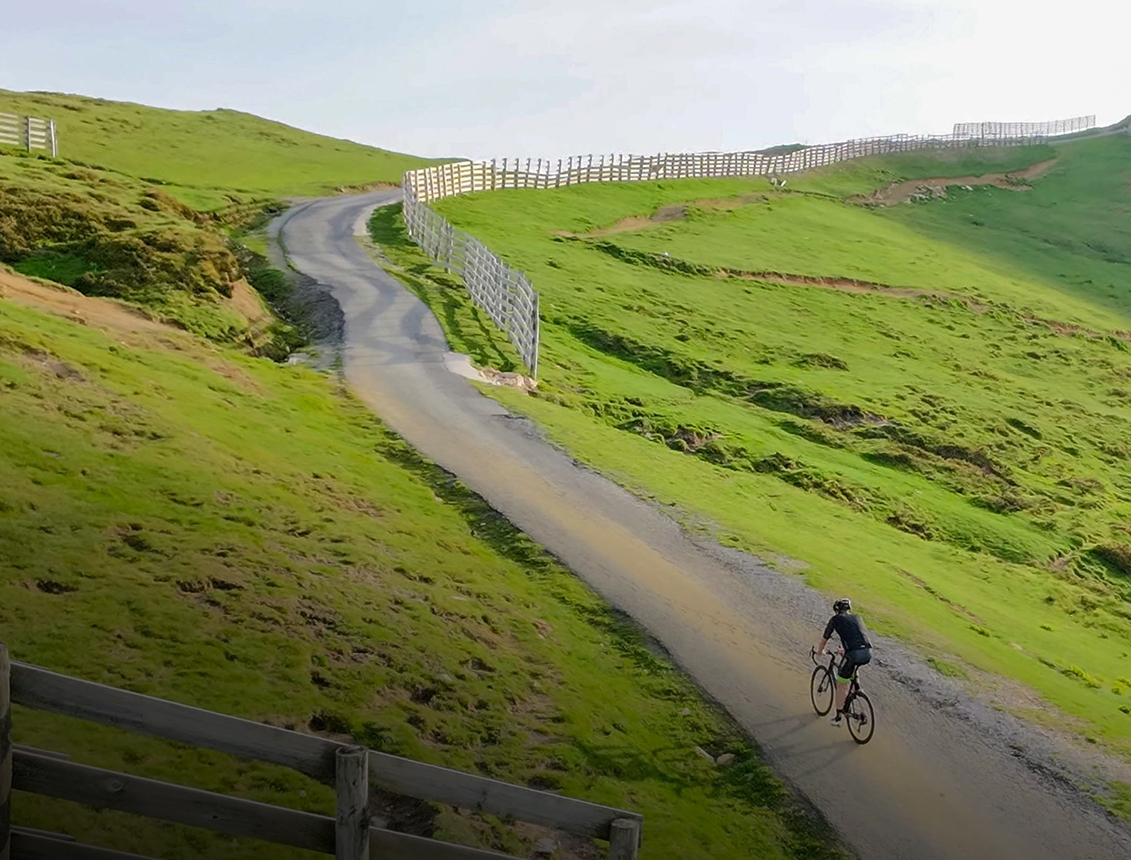
Climbing the Angliru requires preparation and caution. Its gradients are extreme and the weather can change rapidly, especially at higher altitudes. Viapará is one of the usual spots to take a break, gaze out over the valley and assess what lies ahead. Those not looking to tackle the mountain pass will also find walking routes, cattle tracks and trails in the Aramo from which to explore the landscape at a different pace. Riosa has a strong cycling identity, but offers much more than just a famous climb.
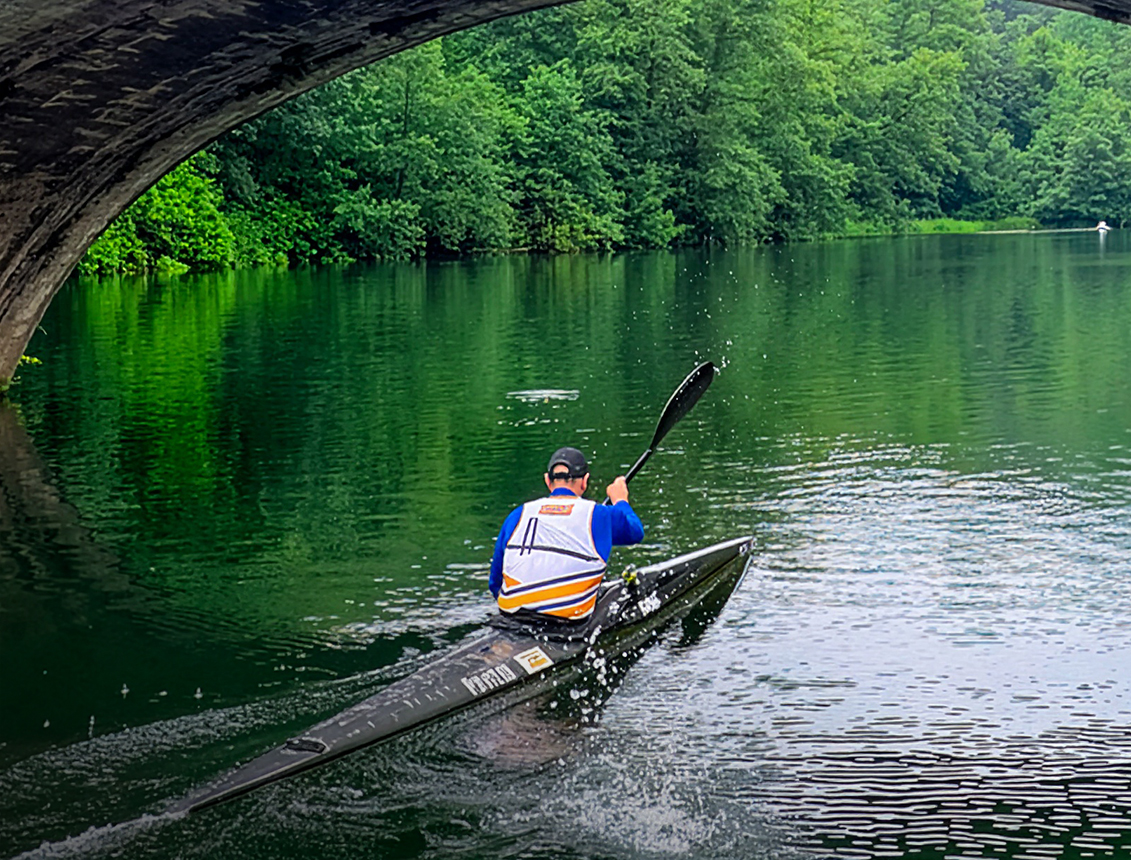
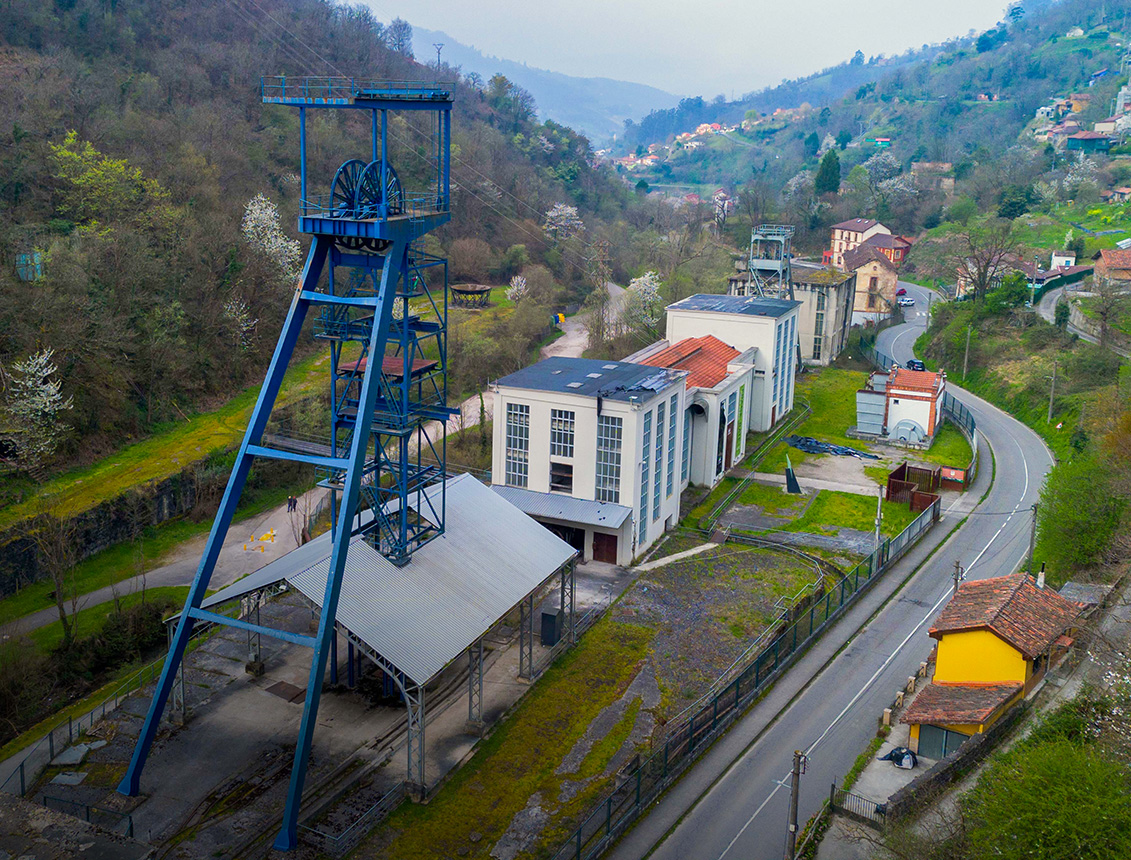
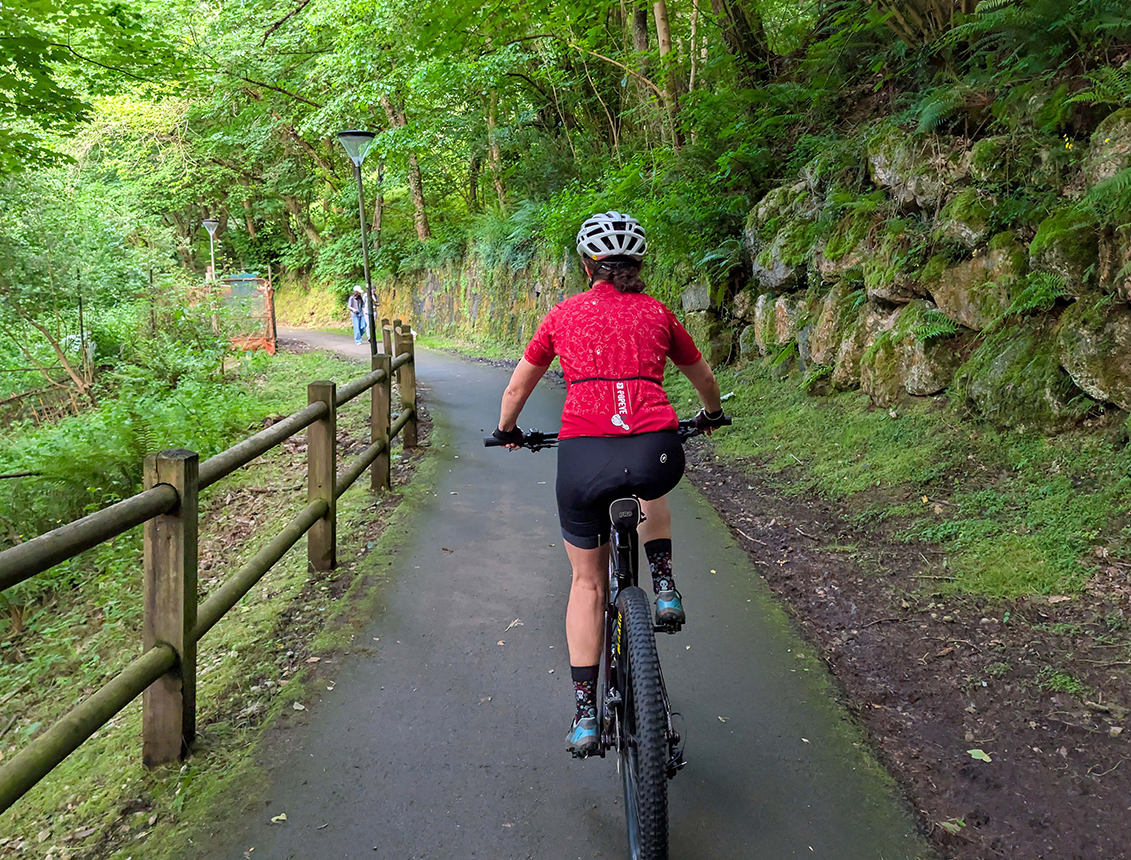
The history of the municipality is also written underground. The mines of Texeo preserve traces of copper mining dating back to prehistoric times, alongside buildings and facilities from its later industrial period. From Llamo, you can follow the path to the mining village of Rioseco and the Texeo viewpoint, from where you can better appreciate the mark this activity has left on the hillside. For a more leisurely stroll, the Alberto Suárez Laso riverside path runs for around six kilometres alongside the rivers Riosa, Code and Llamo. Mountains, cycling and mining are all distinct parts of the same story here.