


- Home
- Discover
- Municipalities
- Aller
Aller
Mining and cattle-farming valley at the foot of the winter fountain
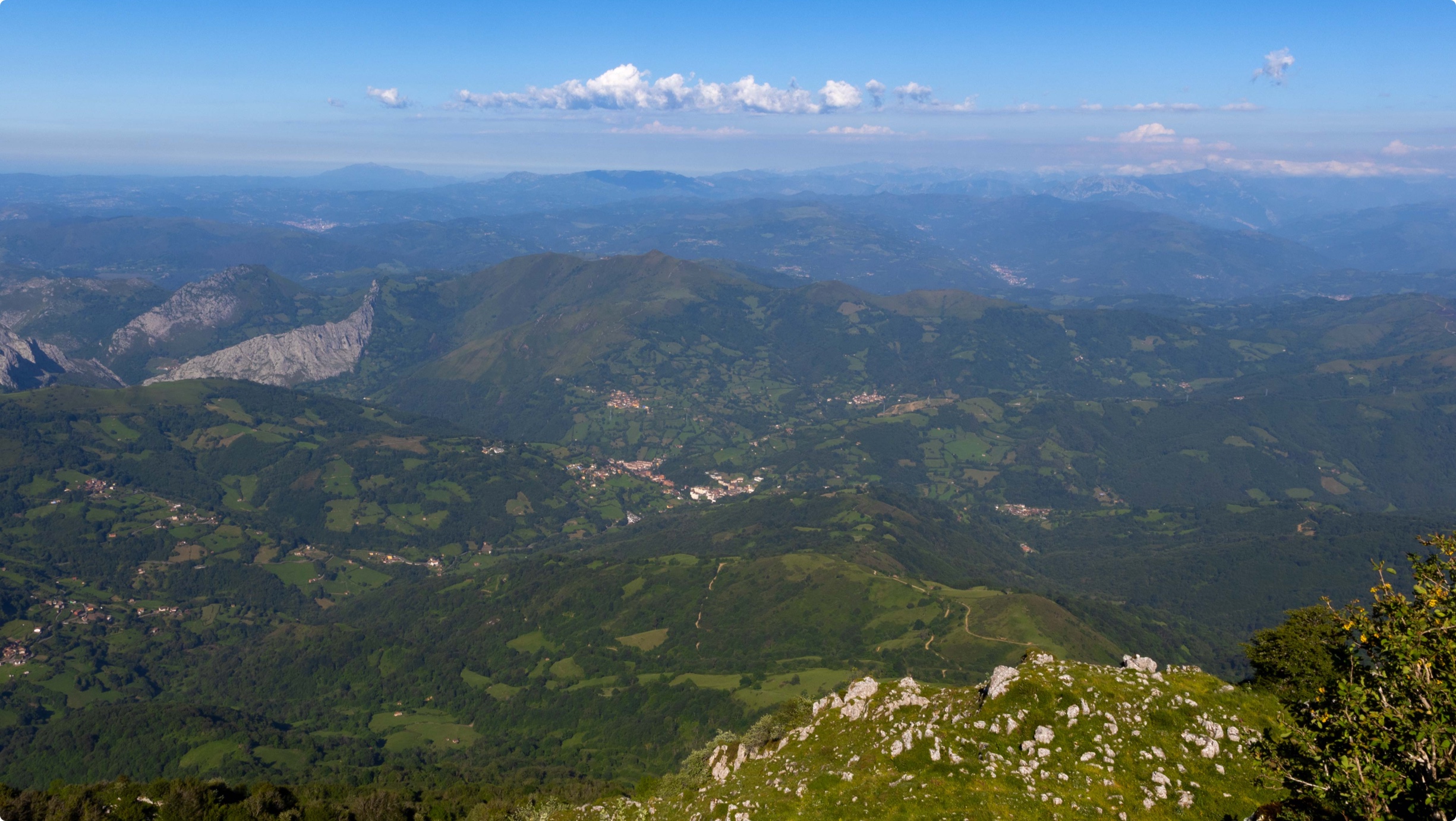
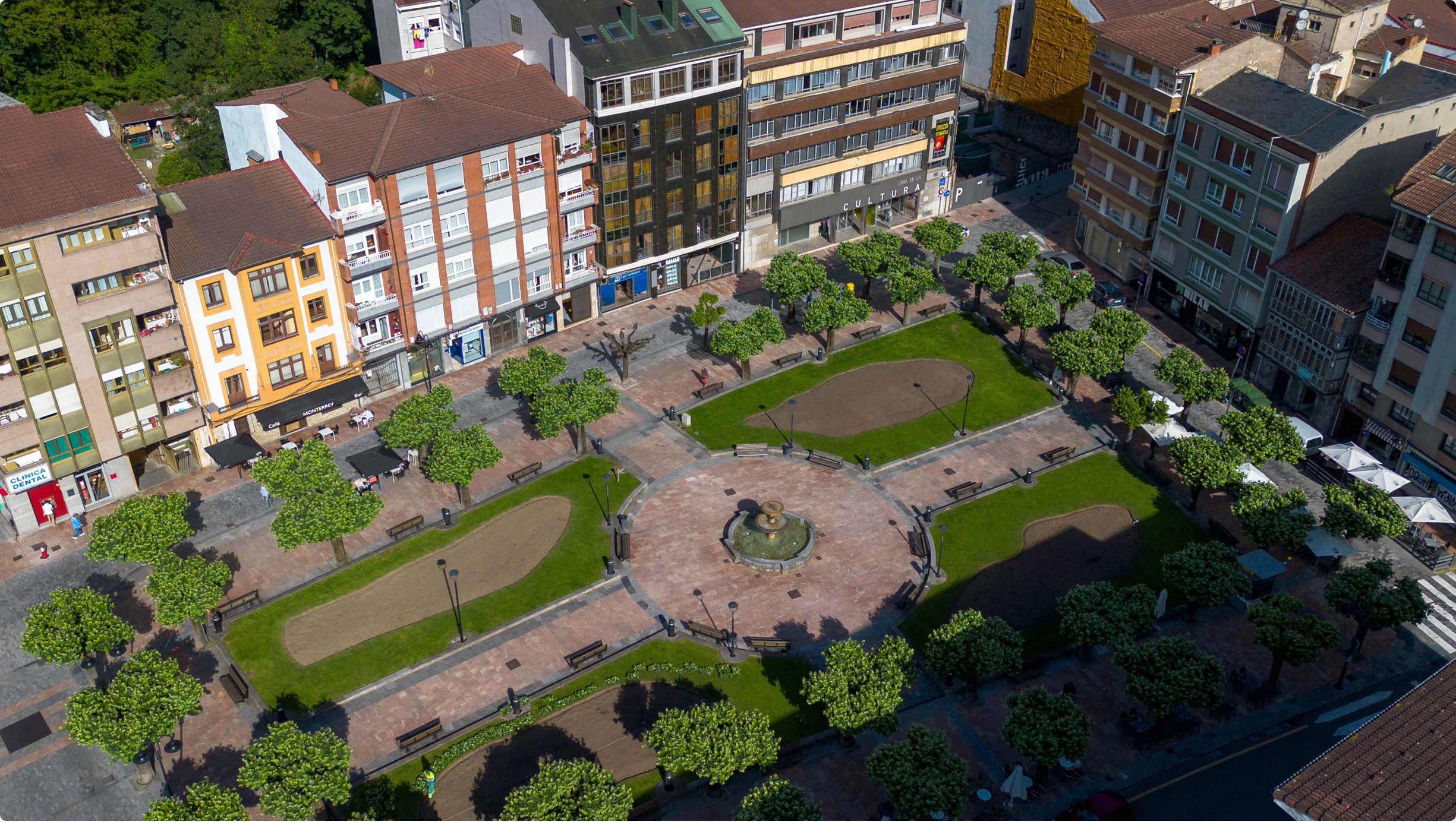
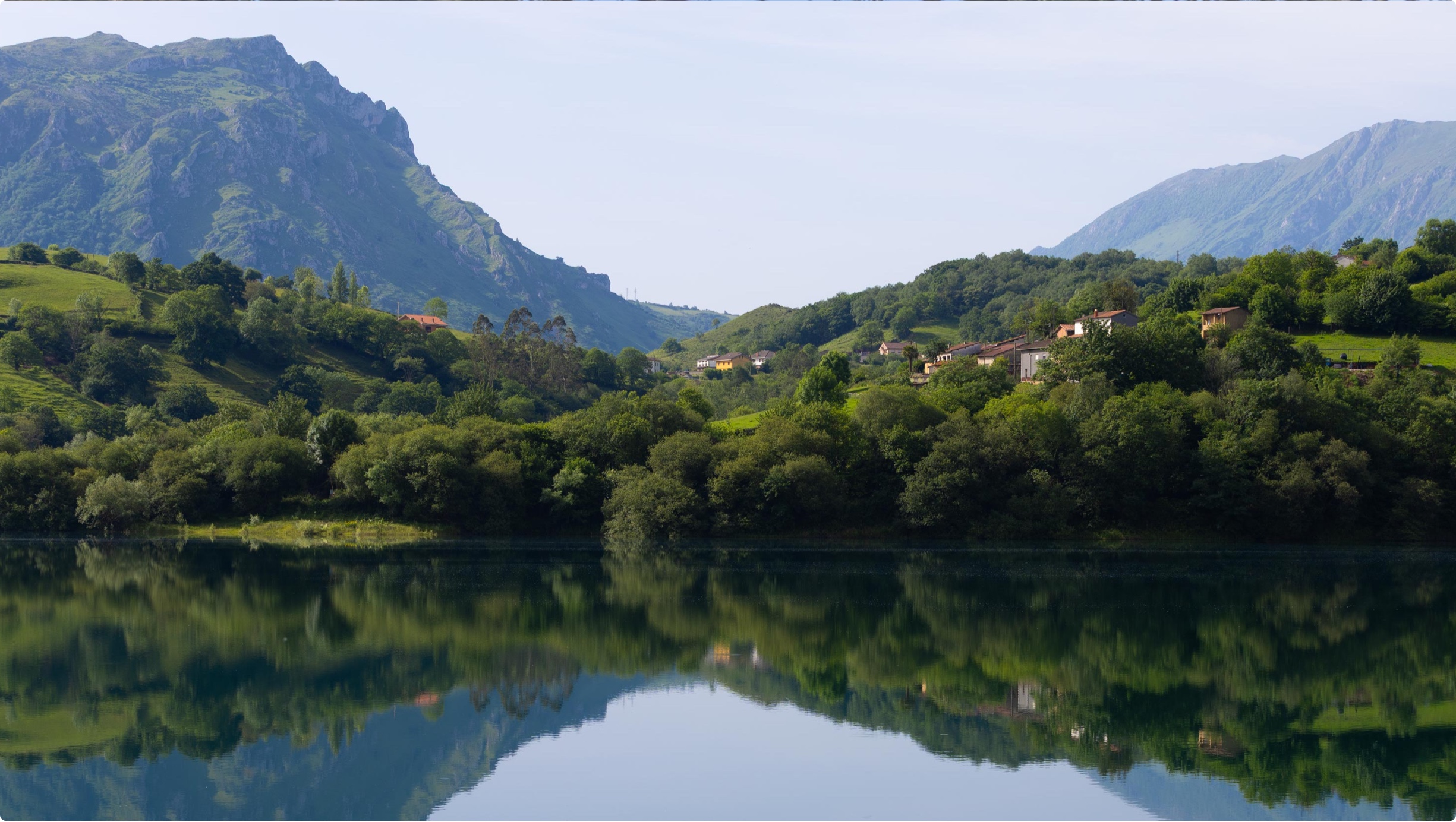
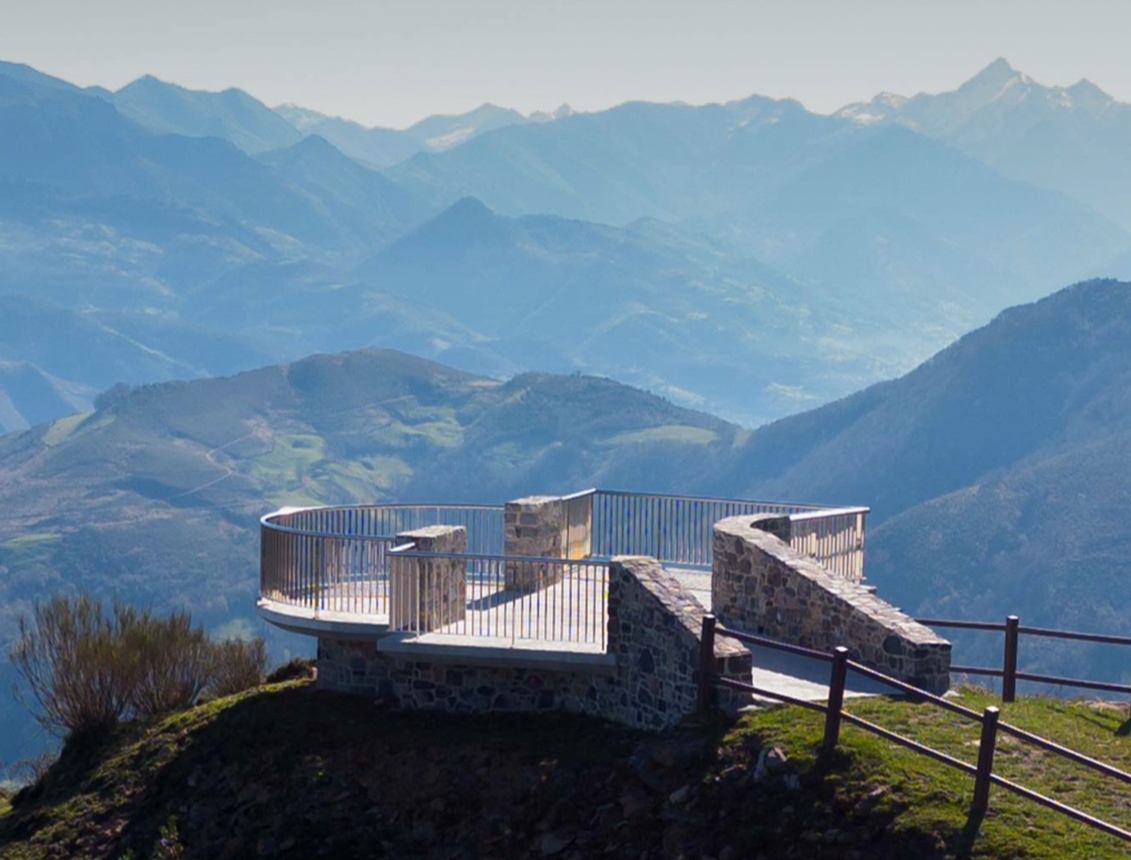
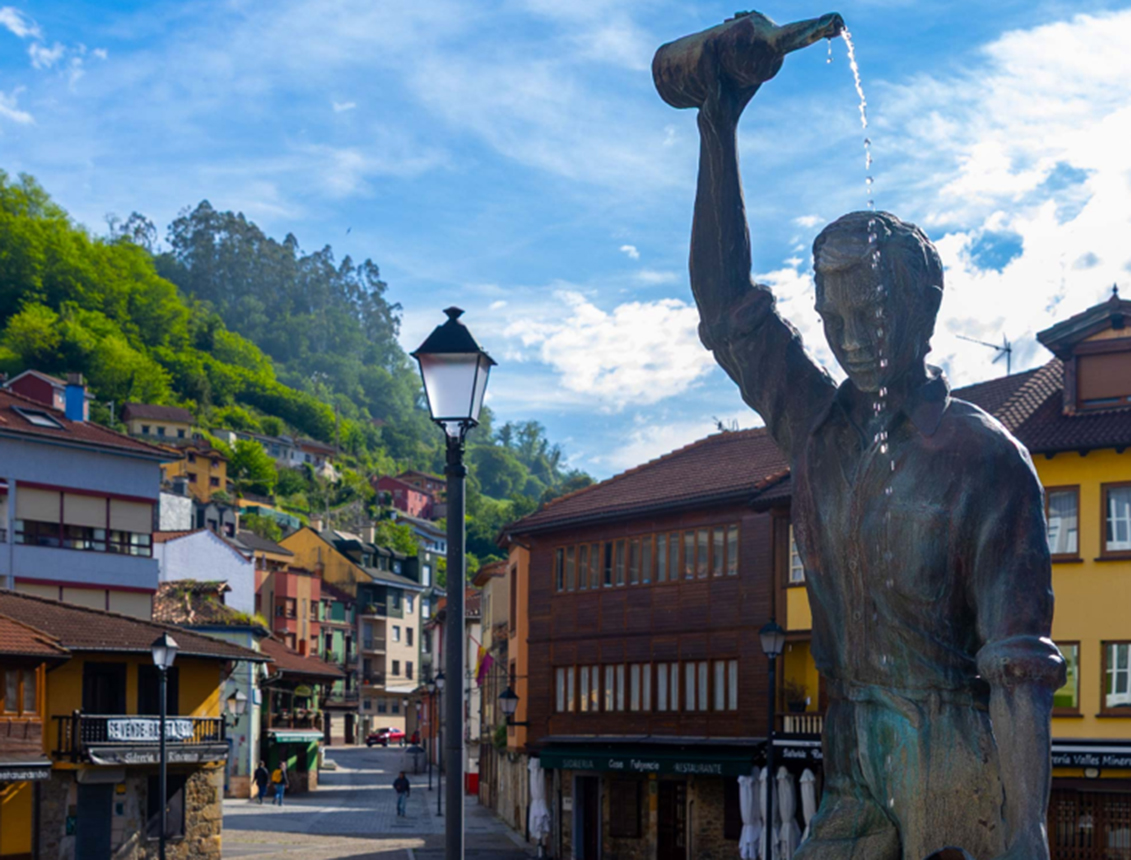
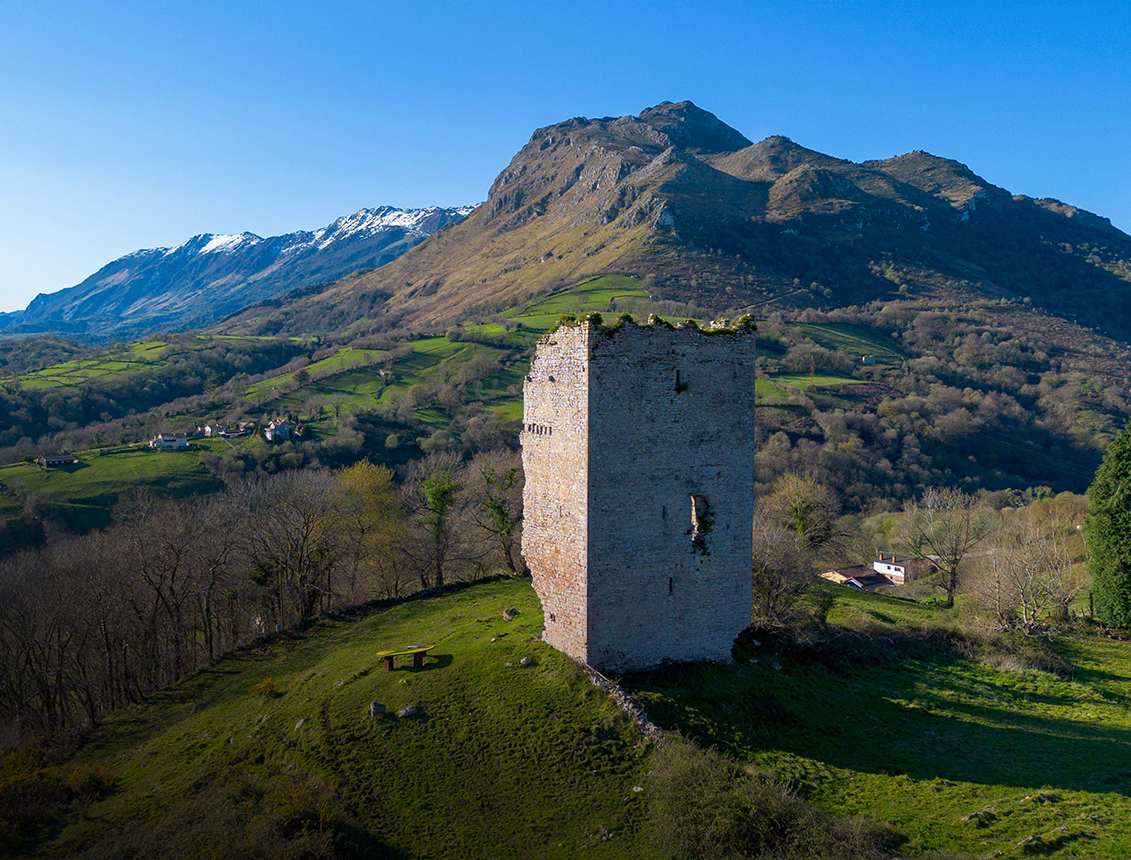
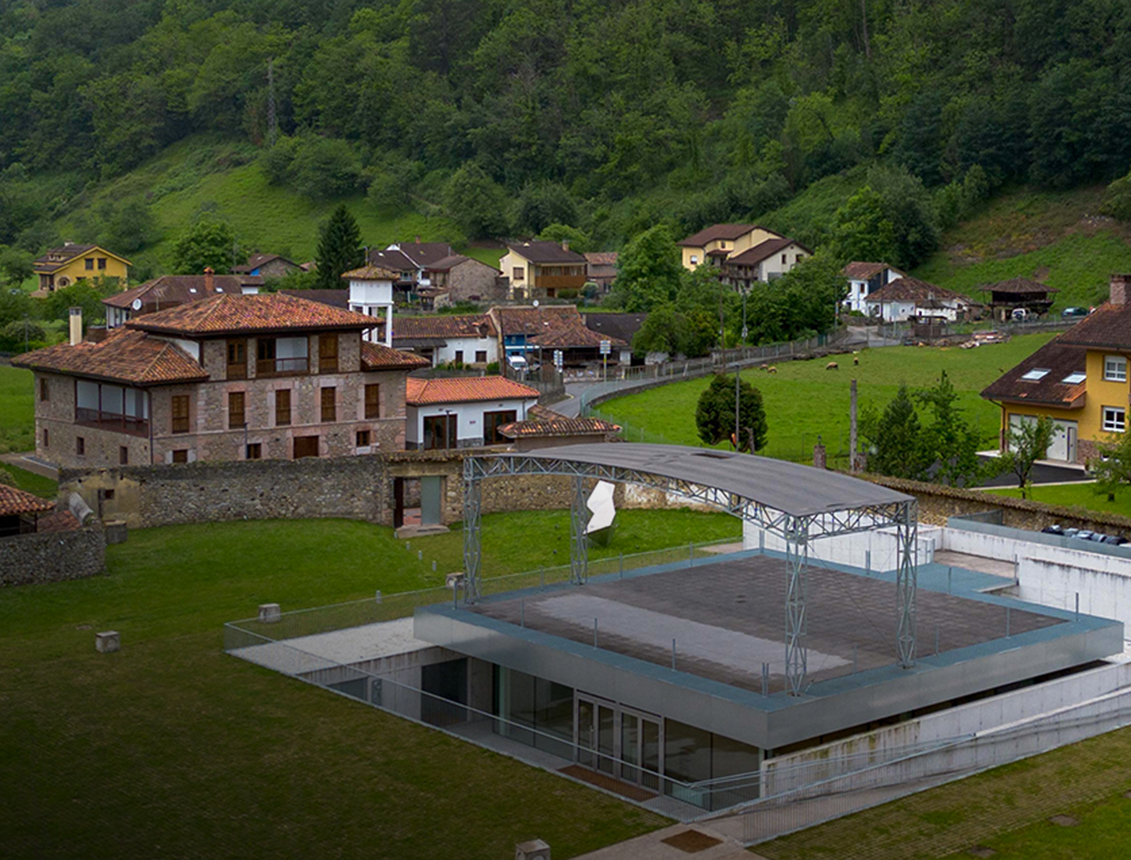
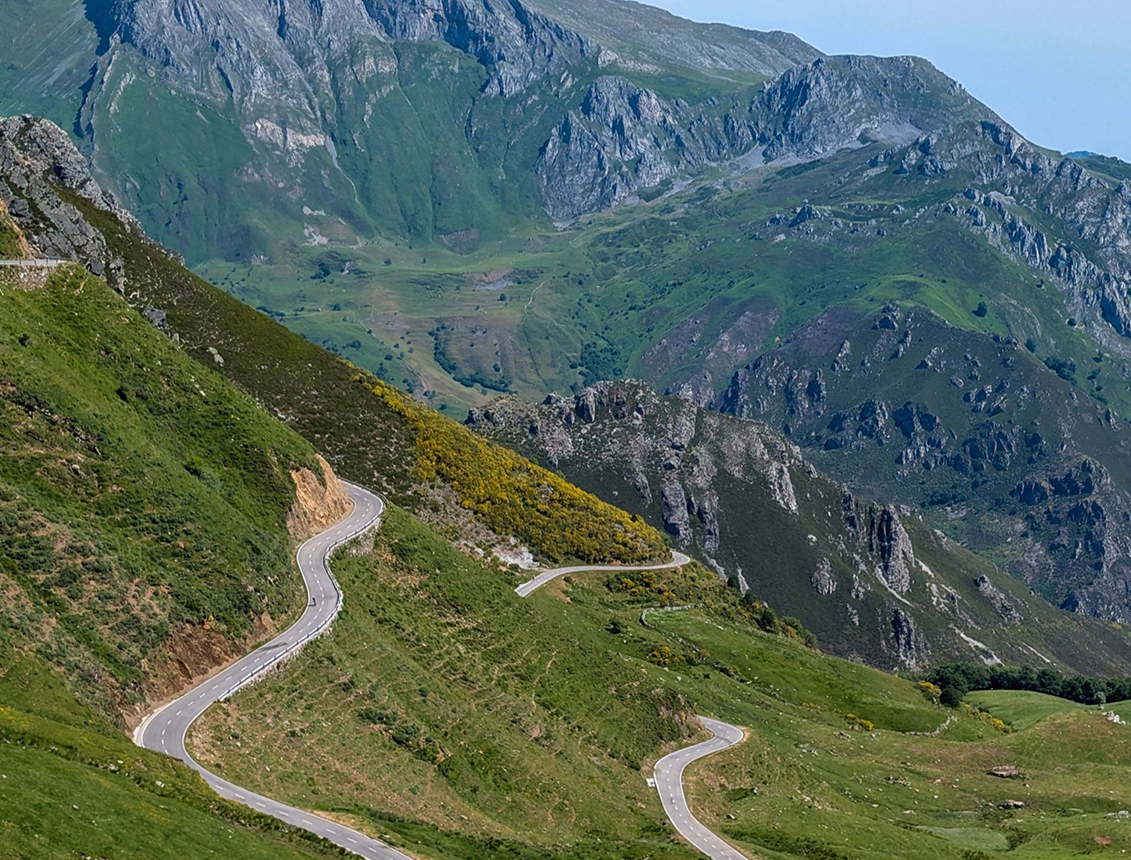
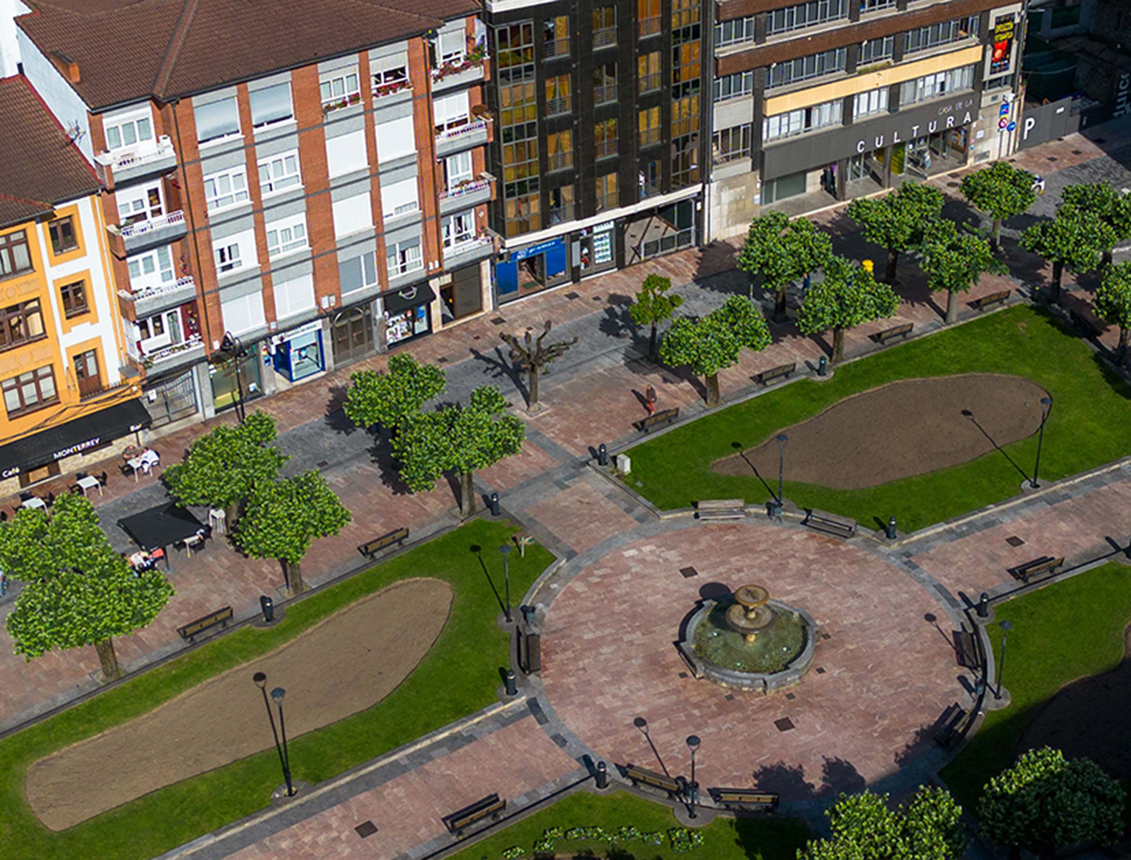
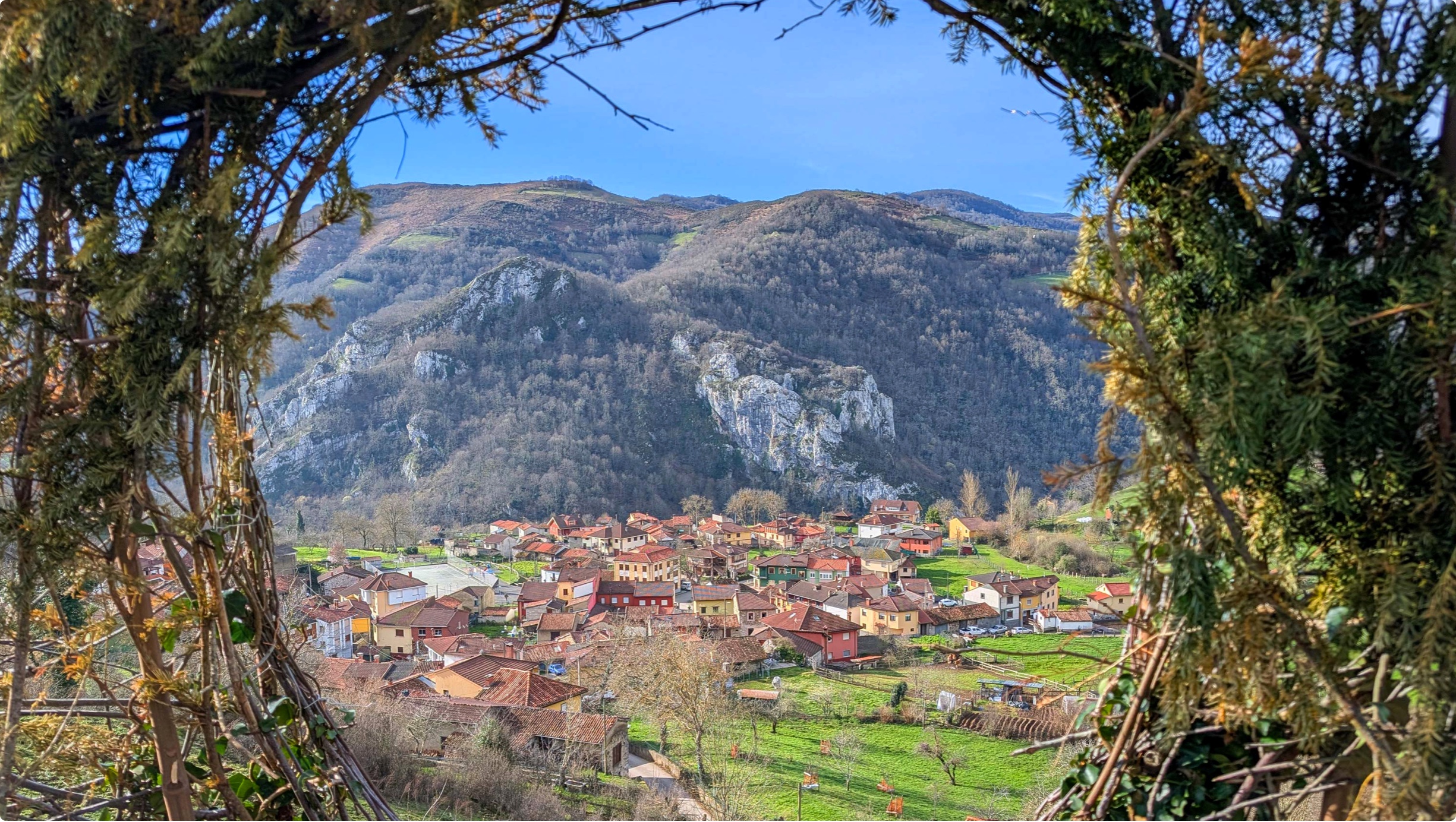
You don’t discover Aller all at once. You have to drive up the valley and watch how the landscape changes as the road leaves the more urban areas behind and heads towards Collanzo, Felechosa and the mountains of the Cantabrian Range. Along this route, you’ll find neighbourhoods built around the mining industry, livestock-farming villages, meadows, forests and hillsides that become increasingly rugged. It is neither a uniform municipality nor a picture-postcard scene staged for visitors. It is a vast, inhabited and worked-over territory, where the memory of coal remains present, yet shares space with a mountain culture that never truly disappeared.
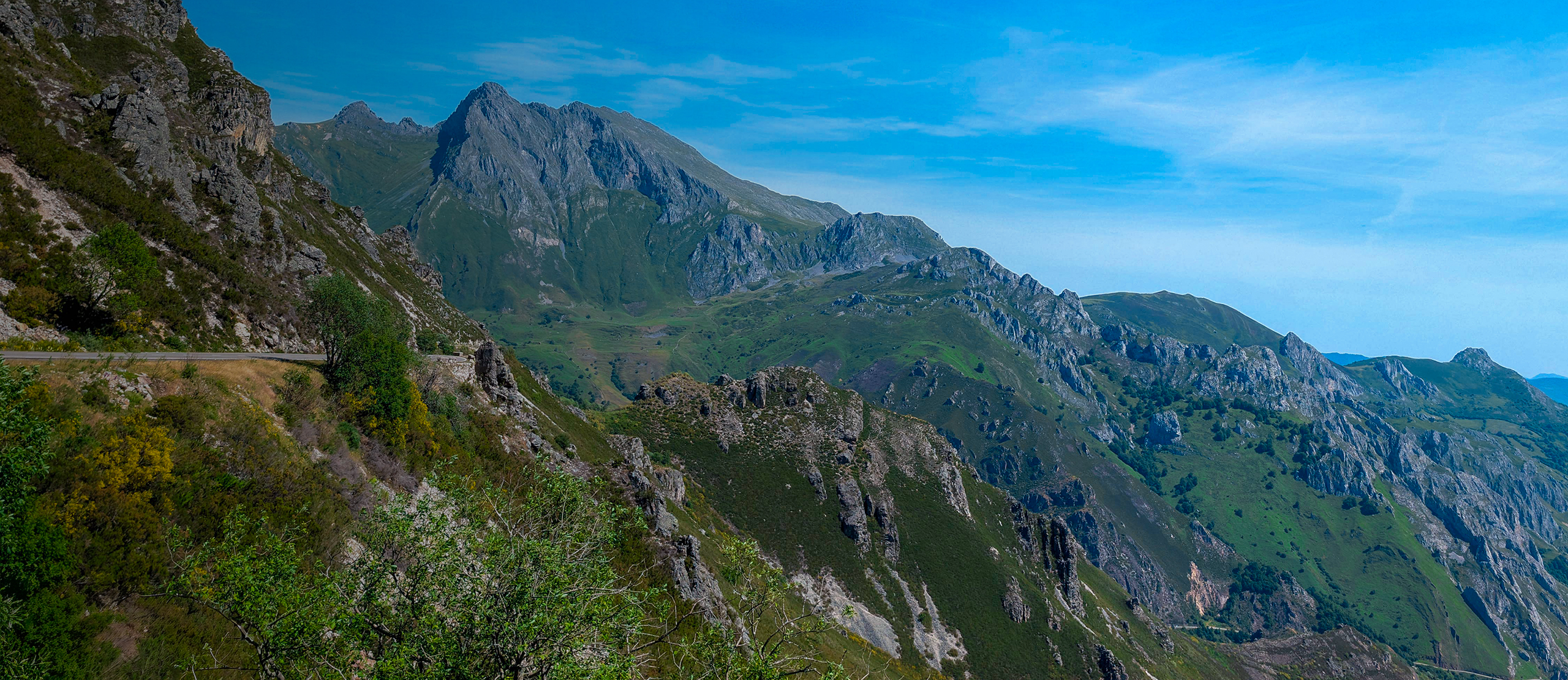
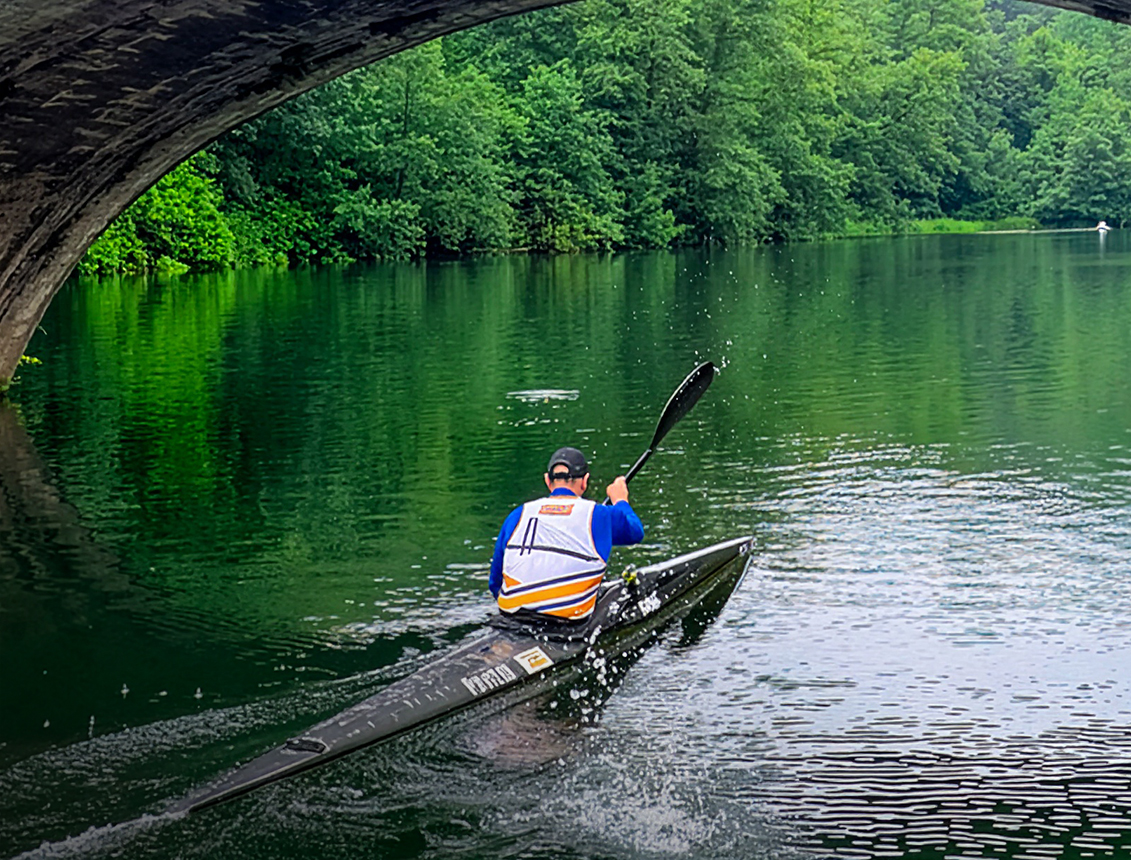
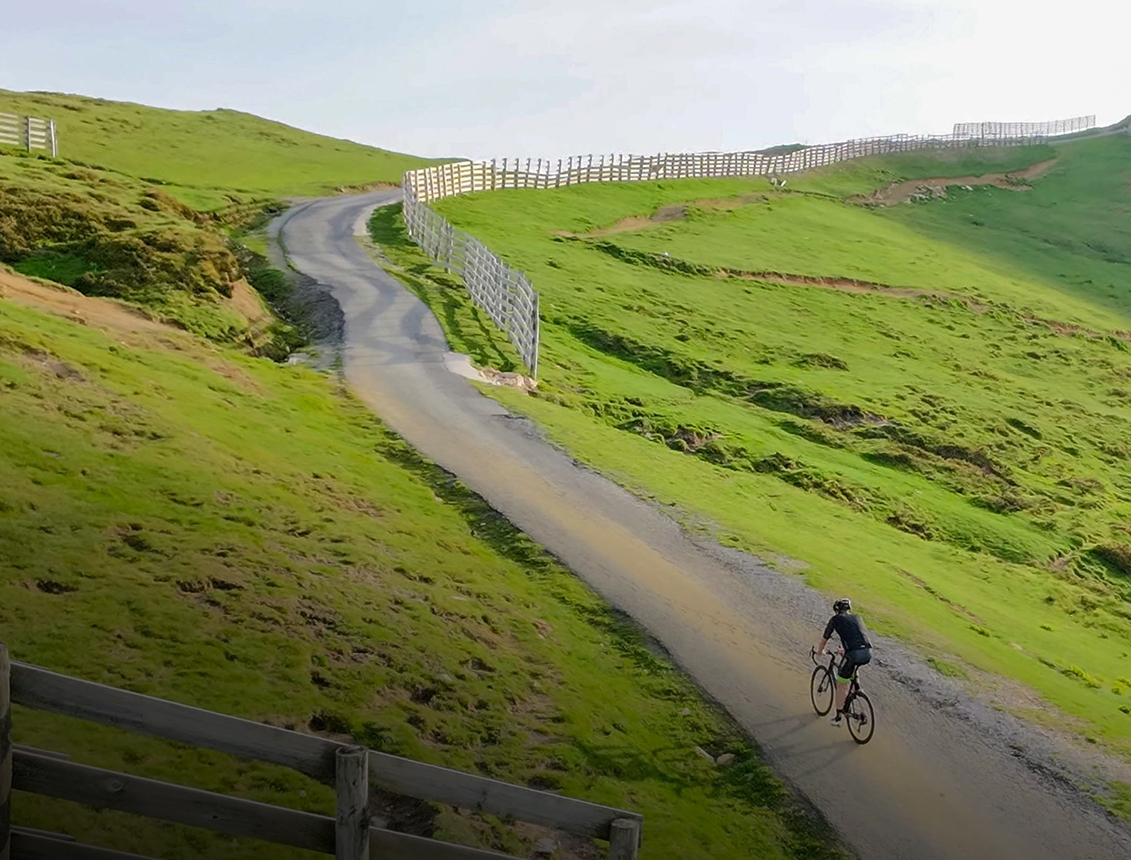
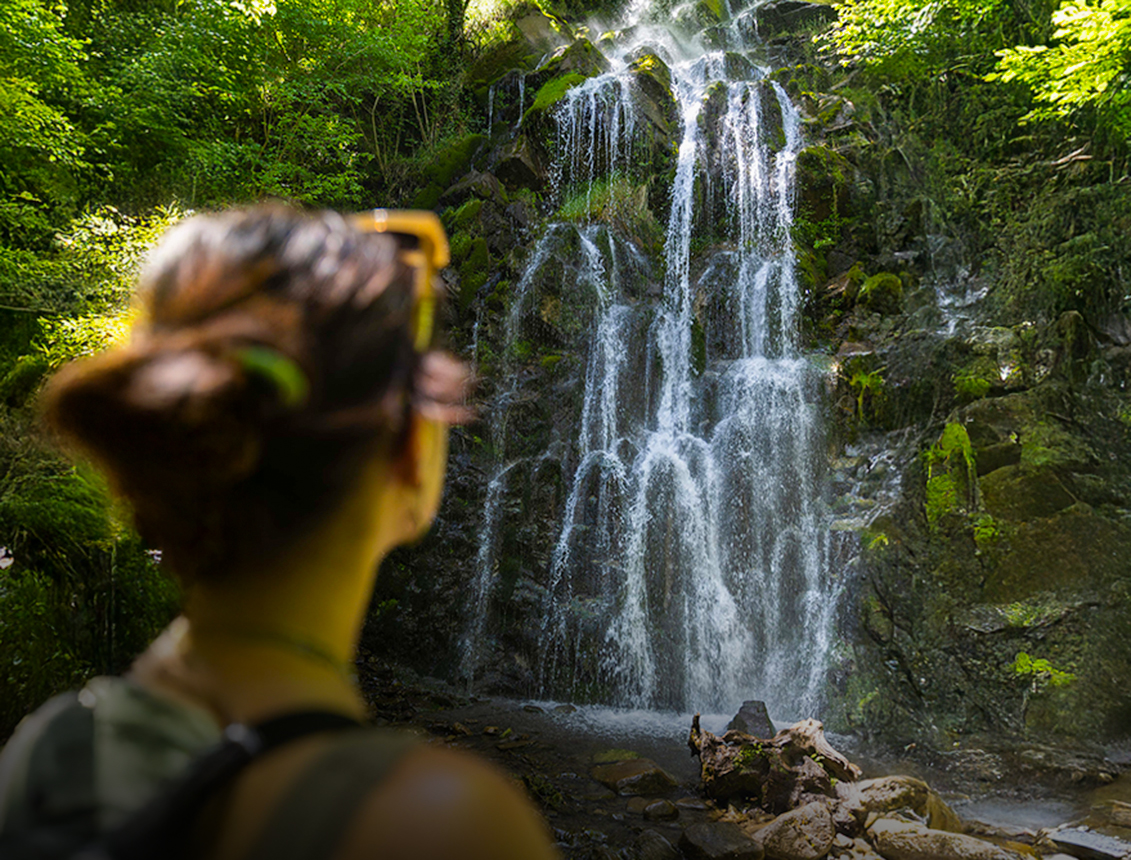
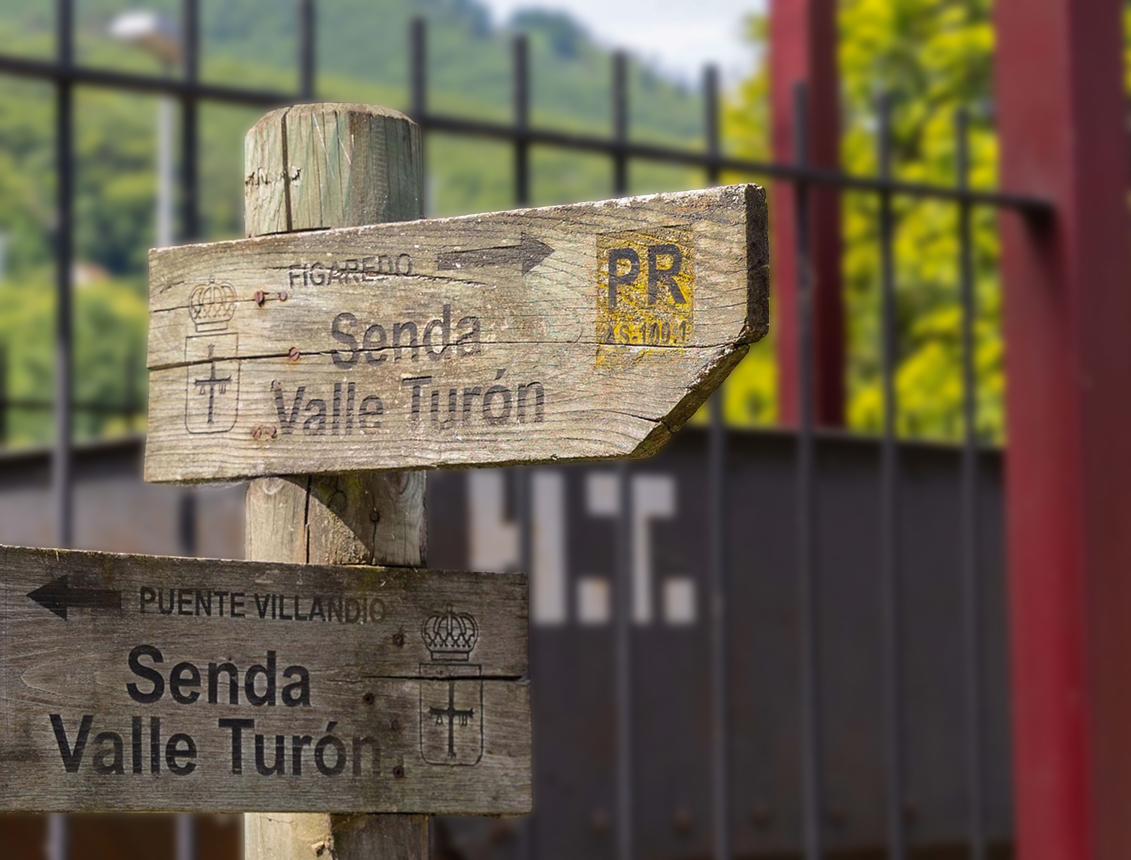
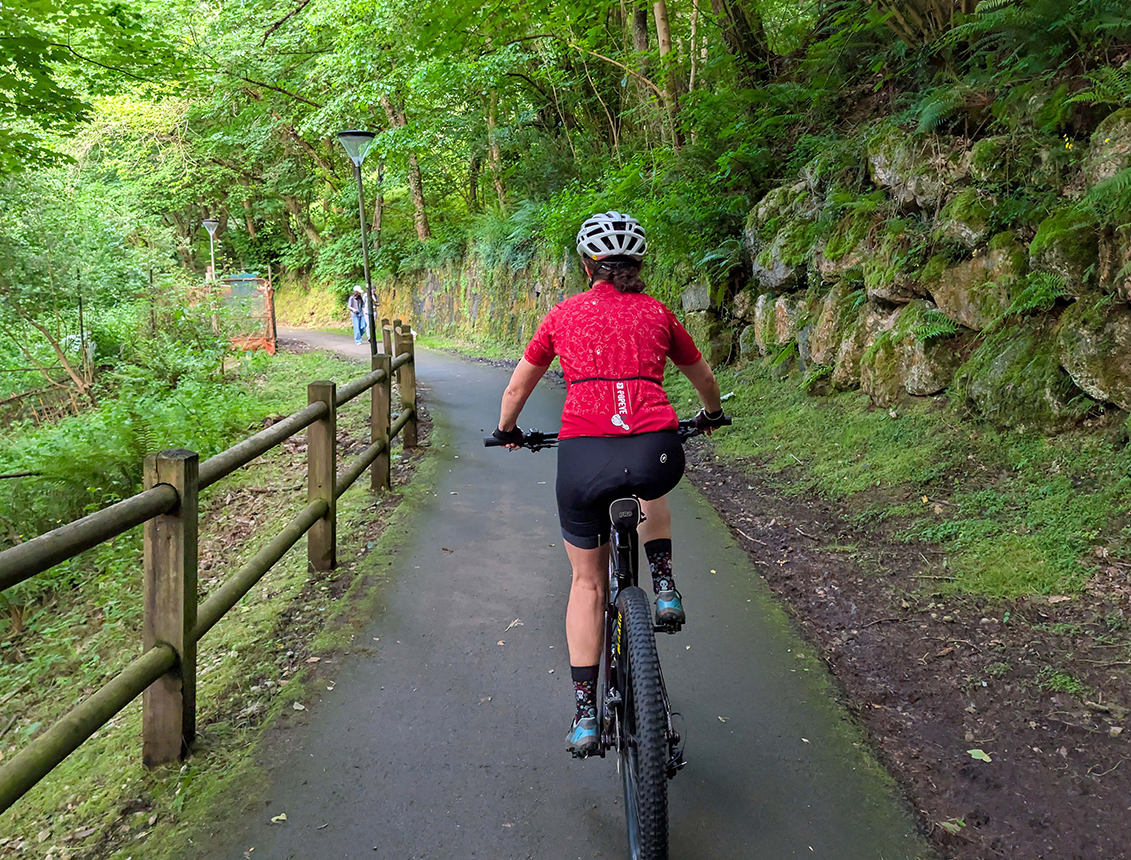
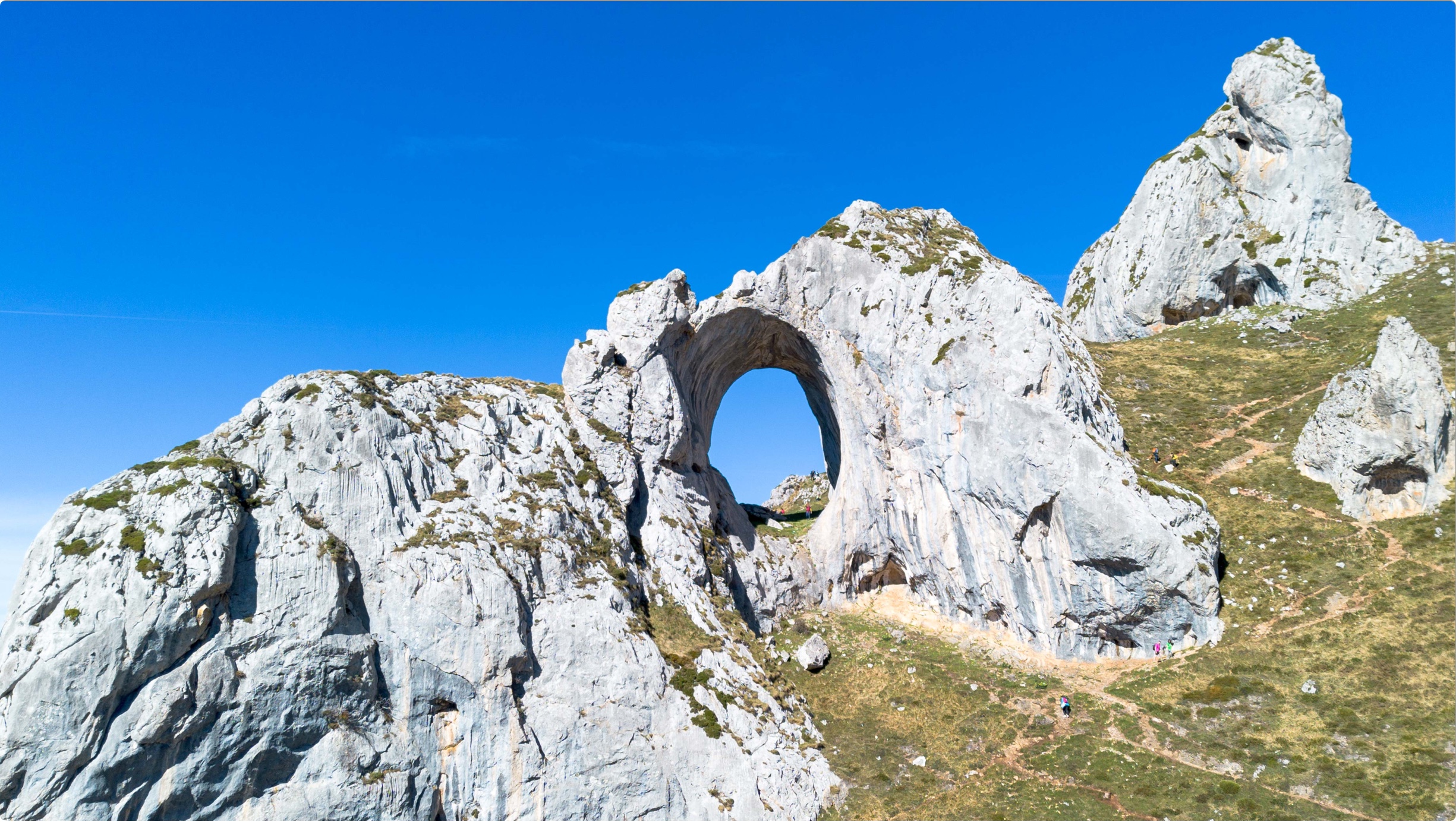
The Foces de El Pino perfectly illustrate the character of Aller. The path enters a narrow gorge, following the river between rock faces, shade and dampness. Further up, the Foces de Ruayer, the Gumial beech forest, the Xurbeo waterfall and the trails of Coto Bello offer a glimpse of very different landscapes without leaving the municipality. In winter, Fuentes de Invierno changes the rhythm of the valley with the arrival of snow; during the rest of the year, its mountain passes, slopes and trails attract walkers, cyclists and those seeking a mountain that is close by, yet untamed. Here, it is wise to check the forecast, choose your route carefully and accept that fog, rain or cold are also part of the experience.
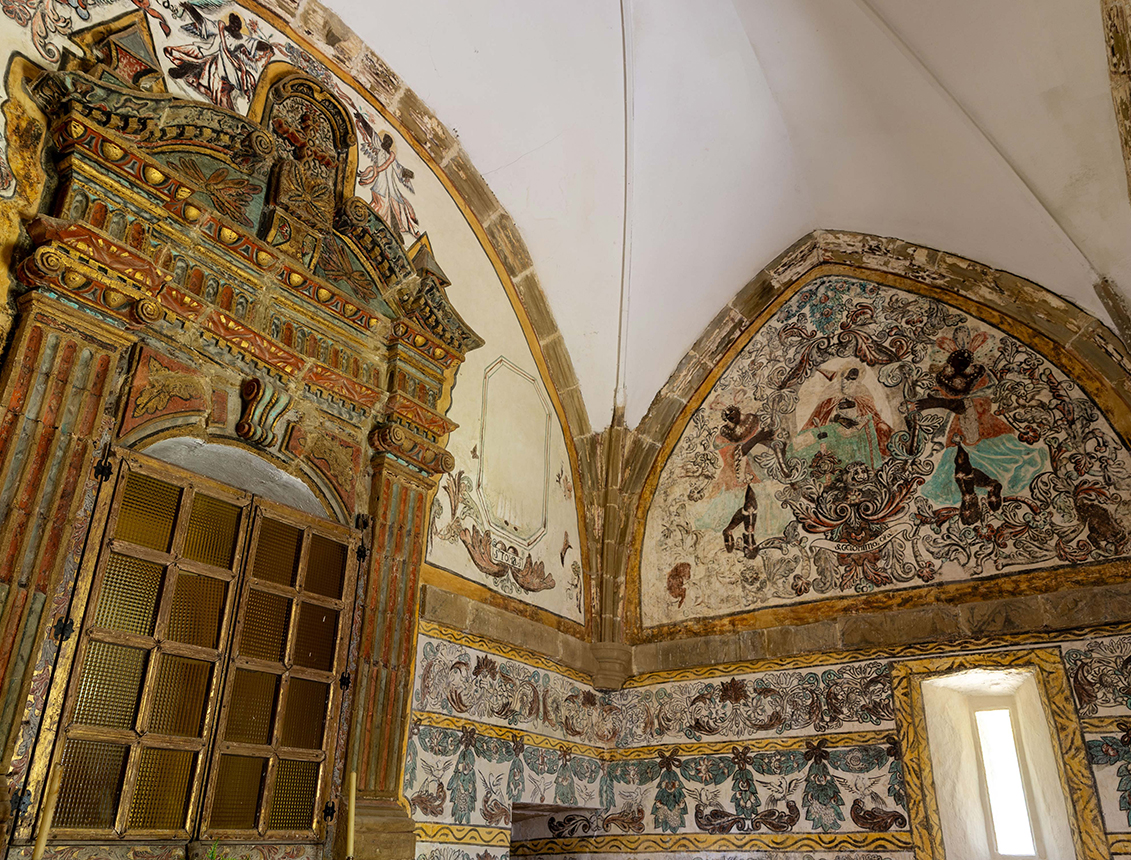
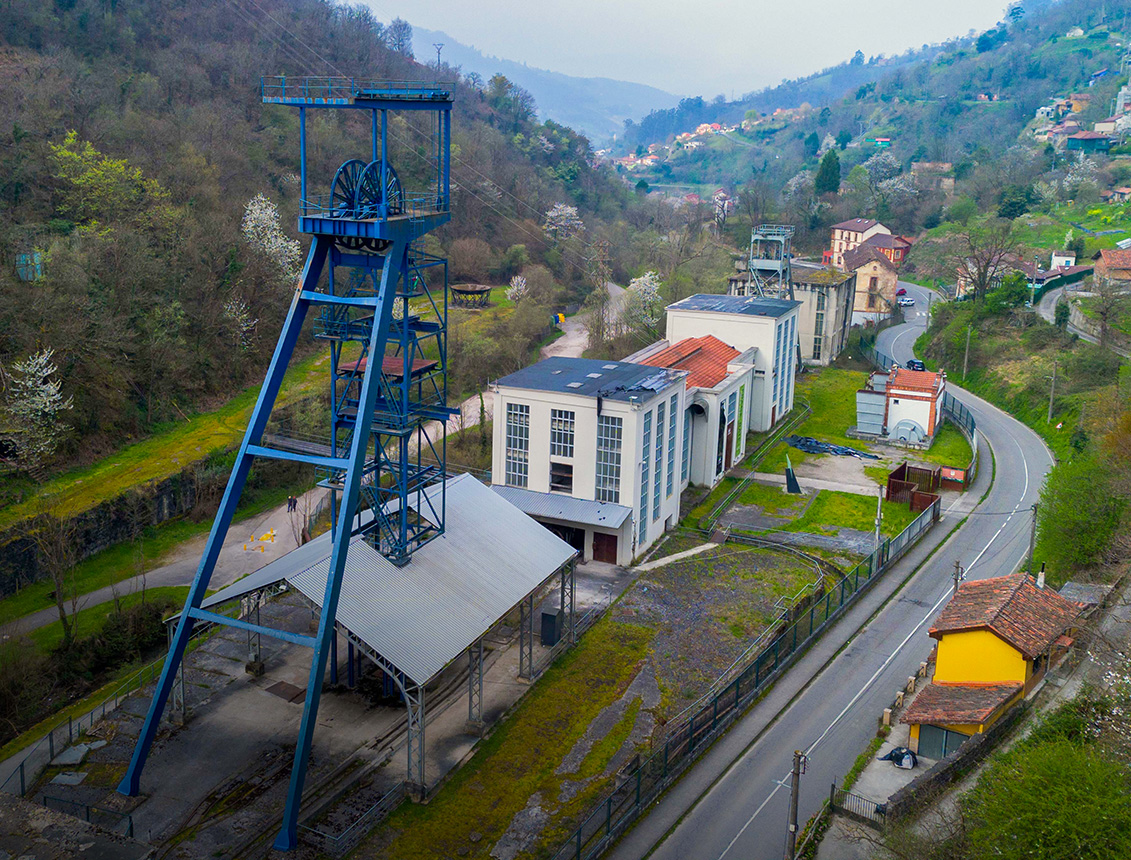
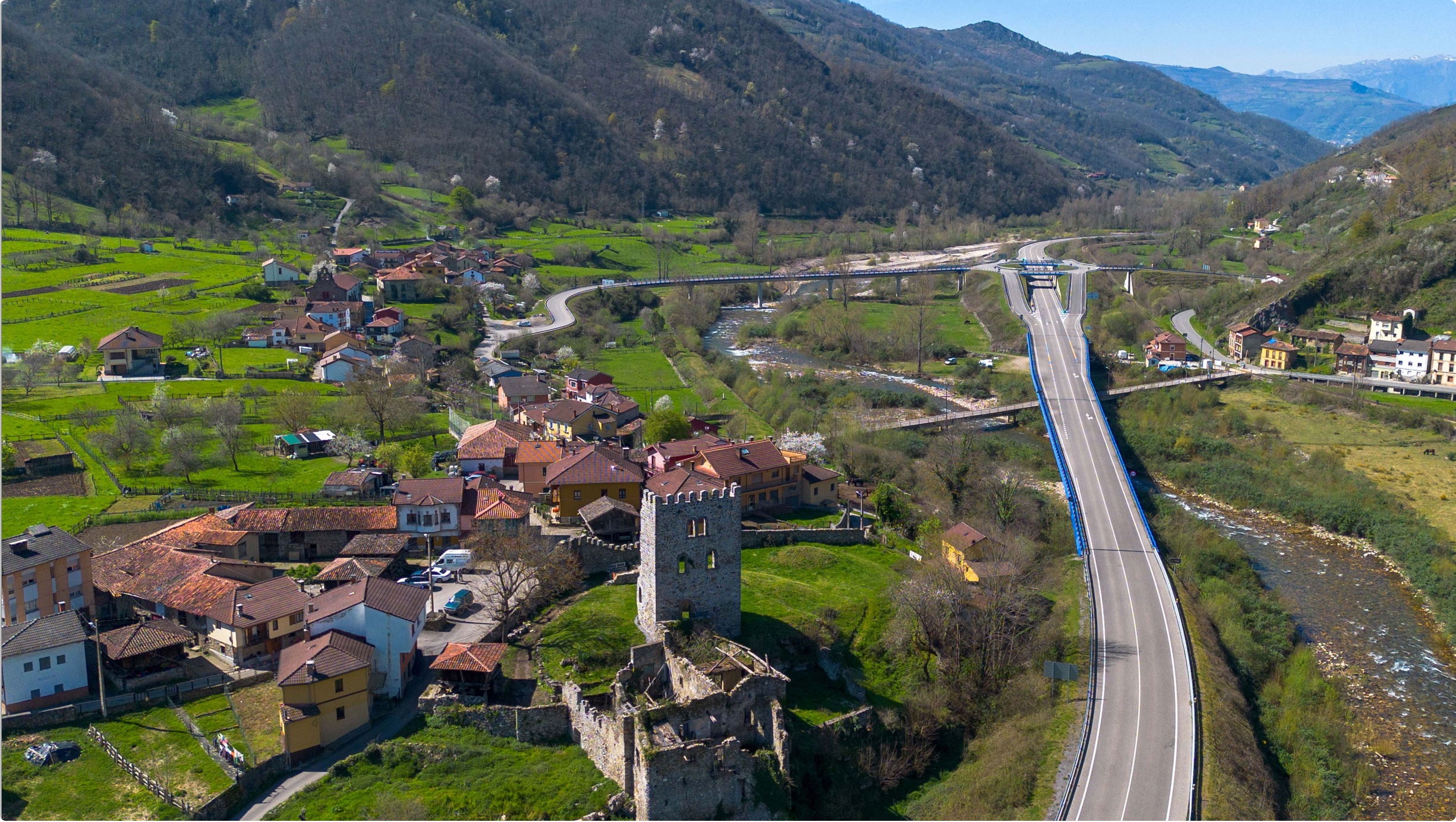
Aller can also be understood through its historical traces. The Vía Carisa serves as a reminder that these mountains have been a route of passage for centuries; the churches of San Vicente de Serrapio and San Juan de Rumiera preserve a Romanesque heritage that is woven into the fabric of small villages; and the Pozo San Fernando tells the story of a mining era that transformed the economy, the landscape and the lives of many families. Visiting Aller means weaving all these layers together in a single journey: walking through a gorge, pausing before a winding tower, stepping inside a rural church, eating at a local eatery and continuing up the valley to discover what lies beyond the next bend.