


- Home
- Discover
- Municipalities
- Ribera de Arriba
Ribera de Arriba
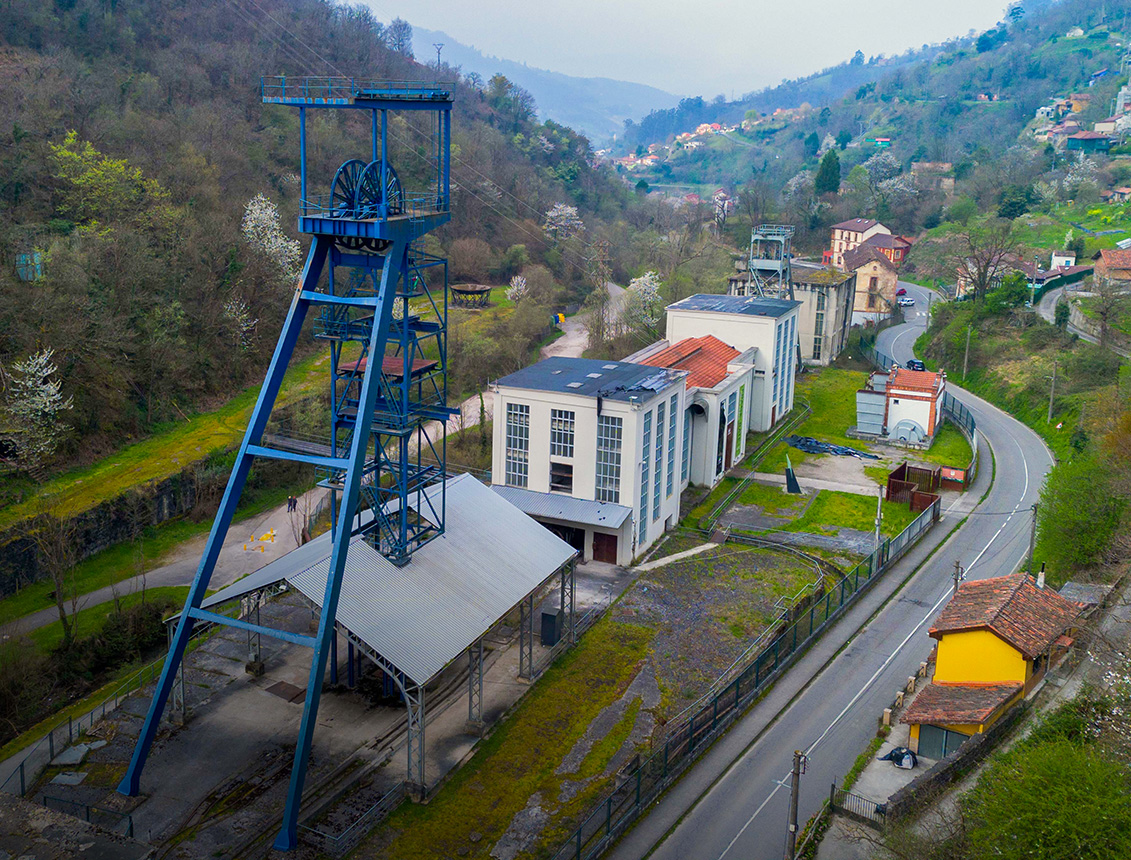
A stretch of the Nalón valley at Oviedo's doorstep, marked by the Soto de Ribera power station
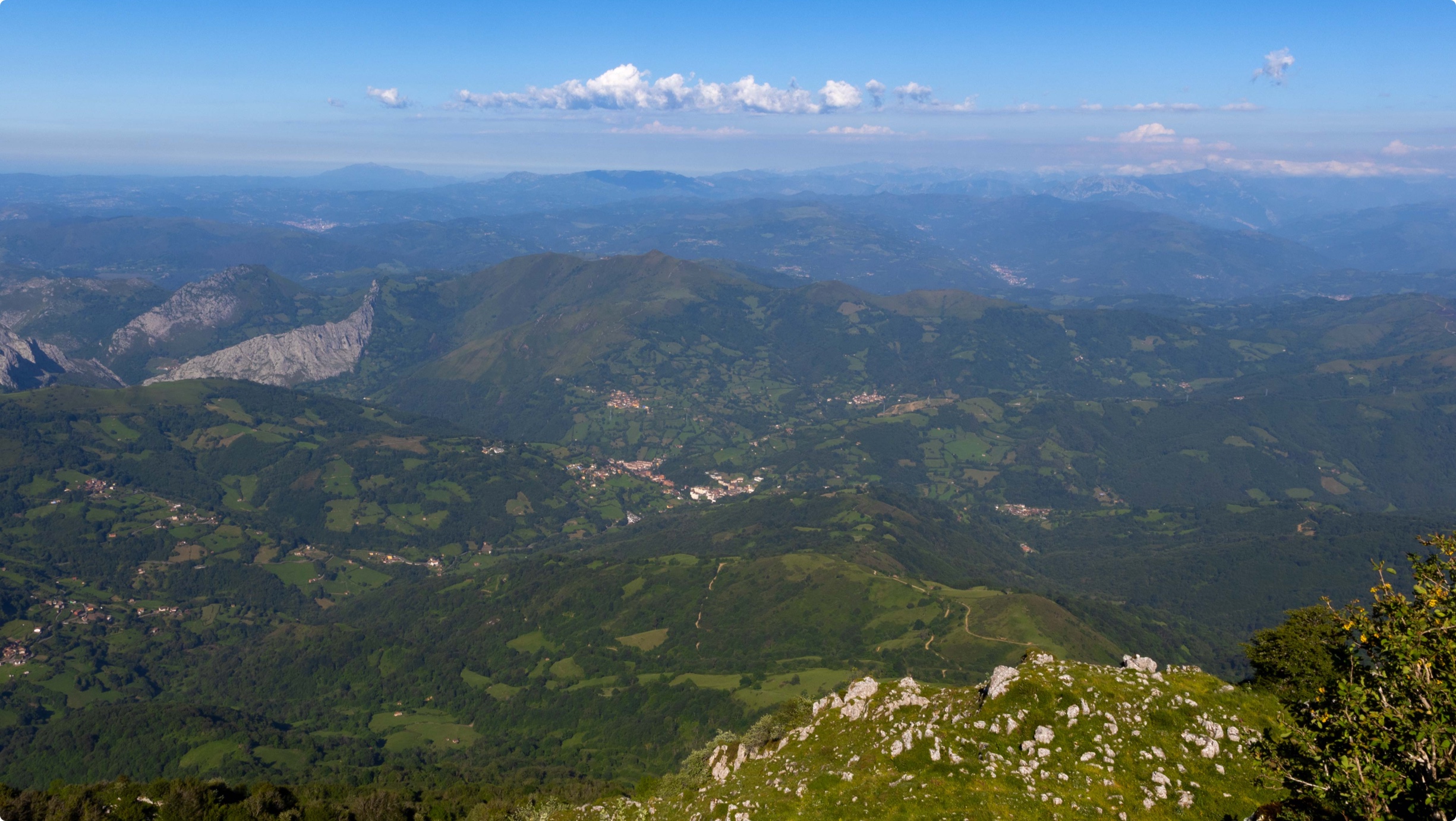
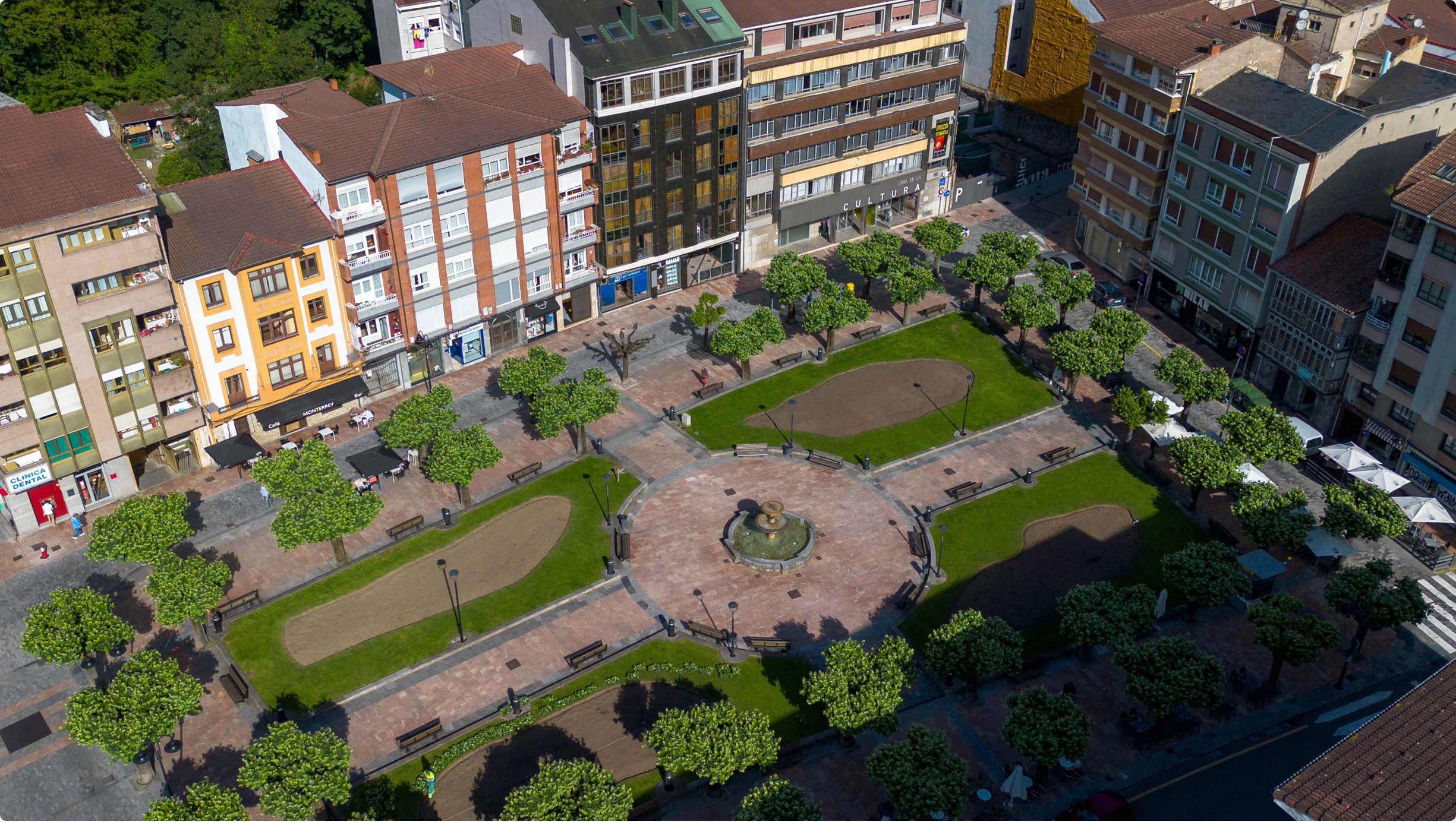
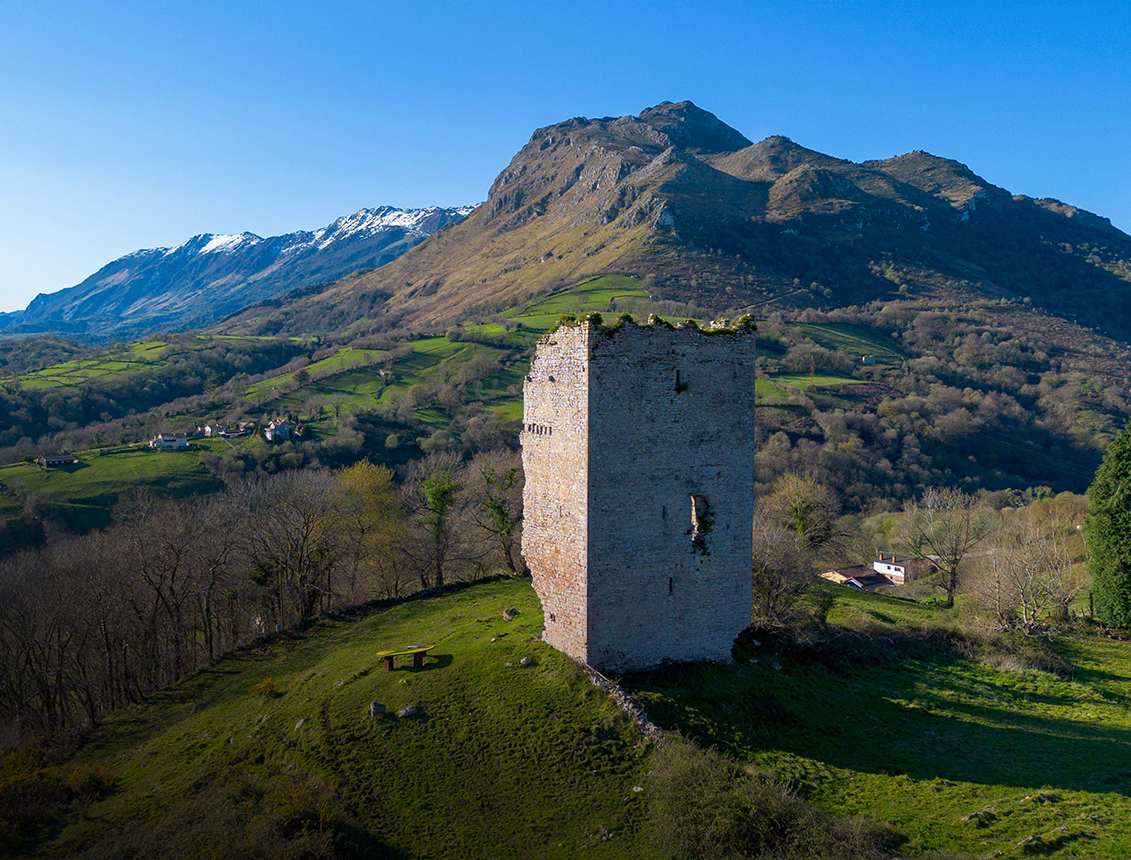
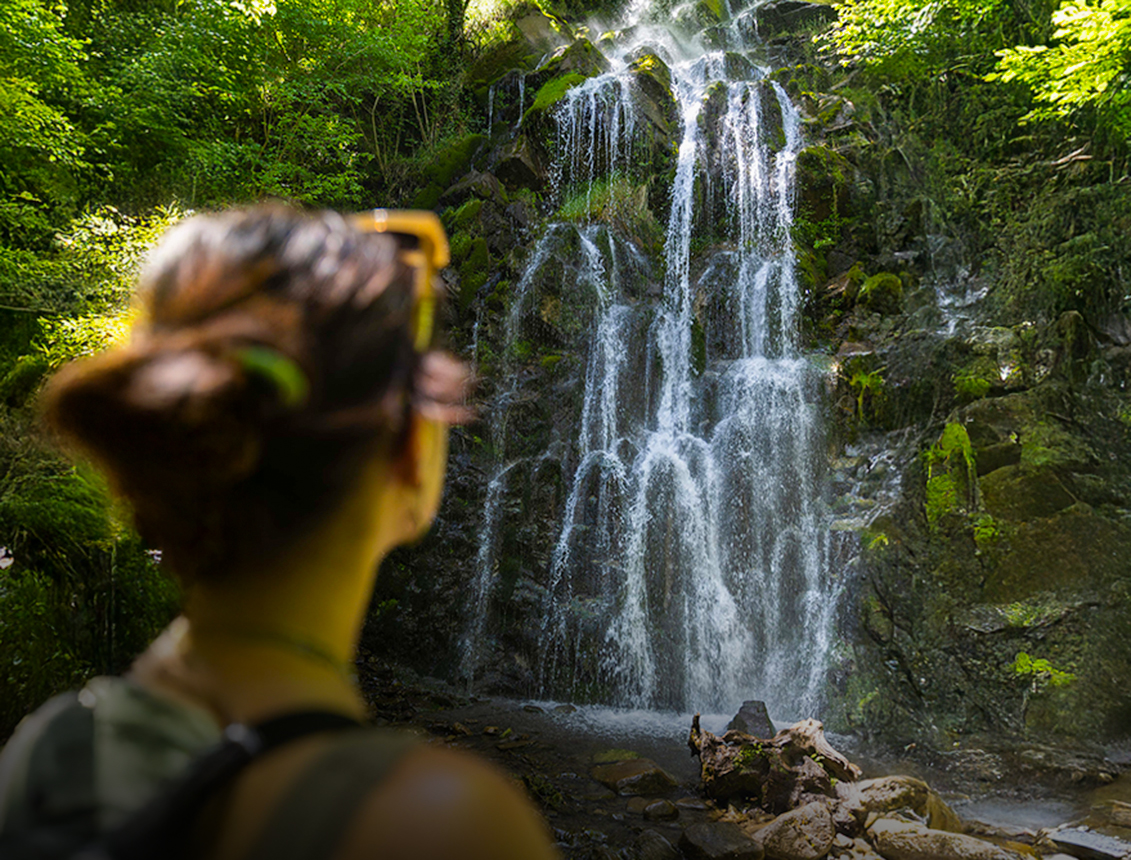
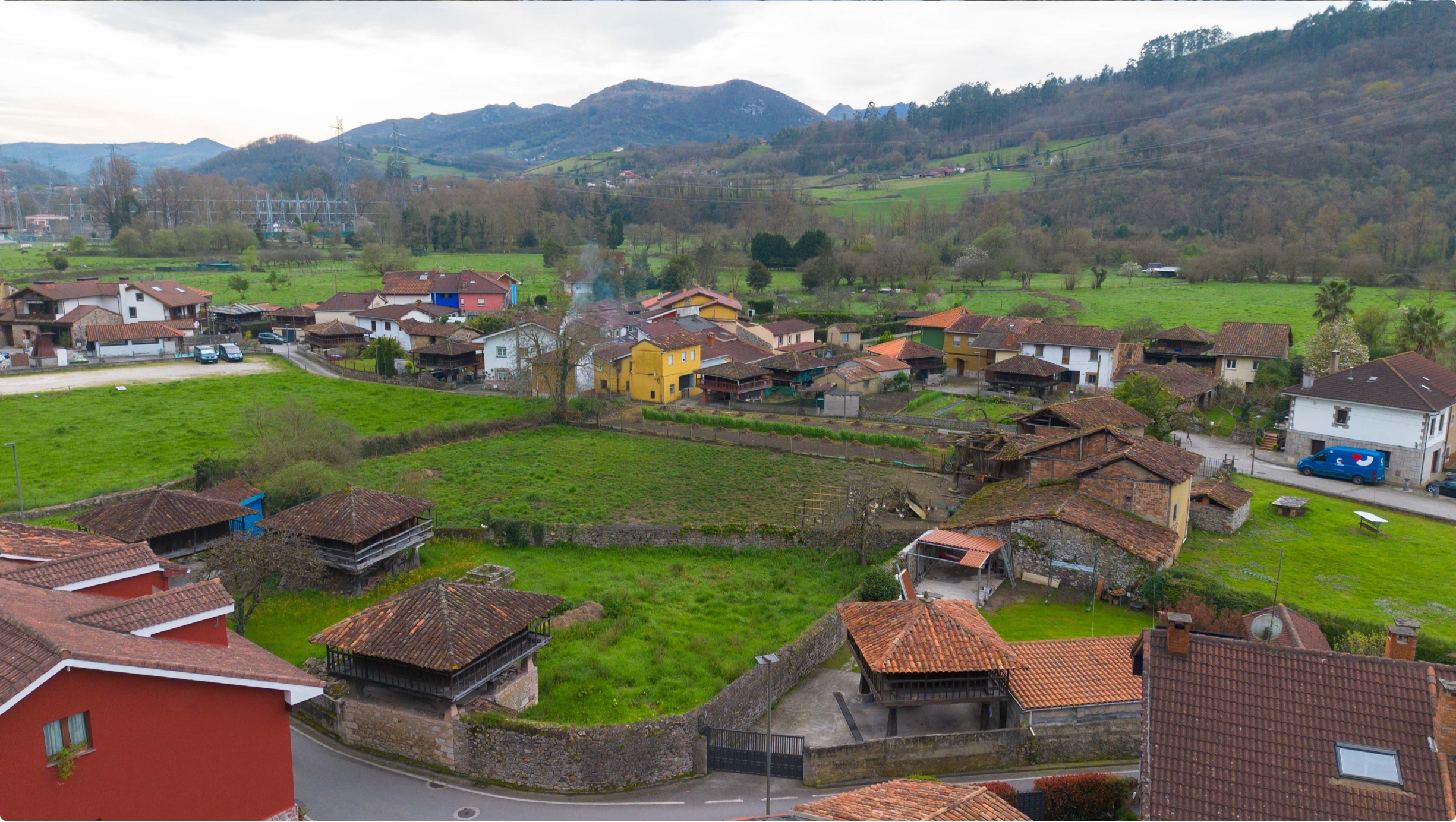
Ribera de Arriba does not need towering peaks to have a distinctive character. Its landscape is centred around the water, at the point where the Caudal flows into the Nalón, and combines fertile plains, wooded slopes, villages and the infrastructure typical of the central Asturian corridor. It is a small, well-connected municipality, very close to Oviedo, yet it retains corners where the traditional relationship between houses, farmland, the river and the hills can still be felt.
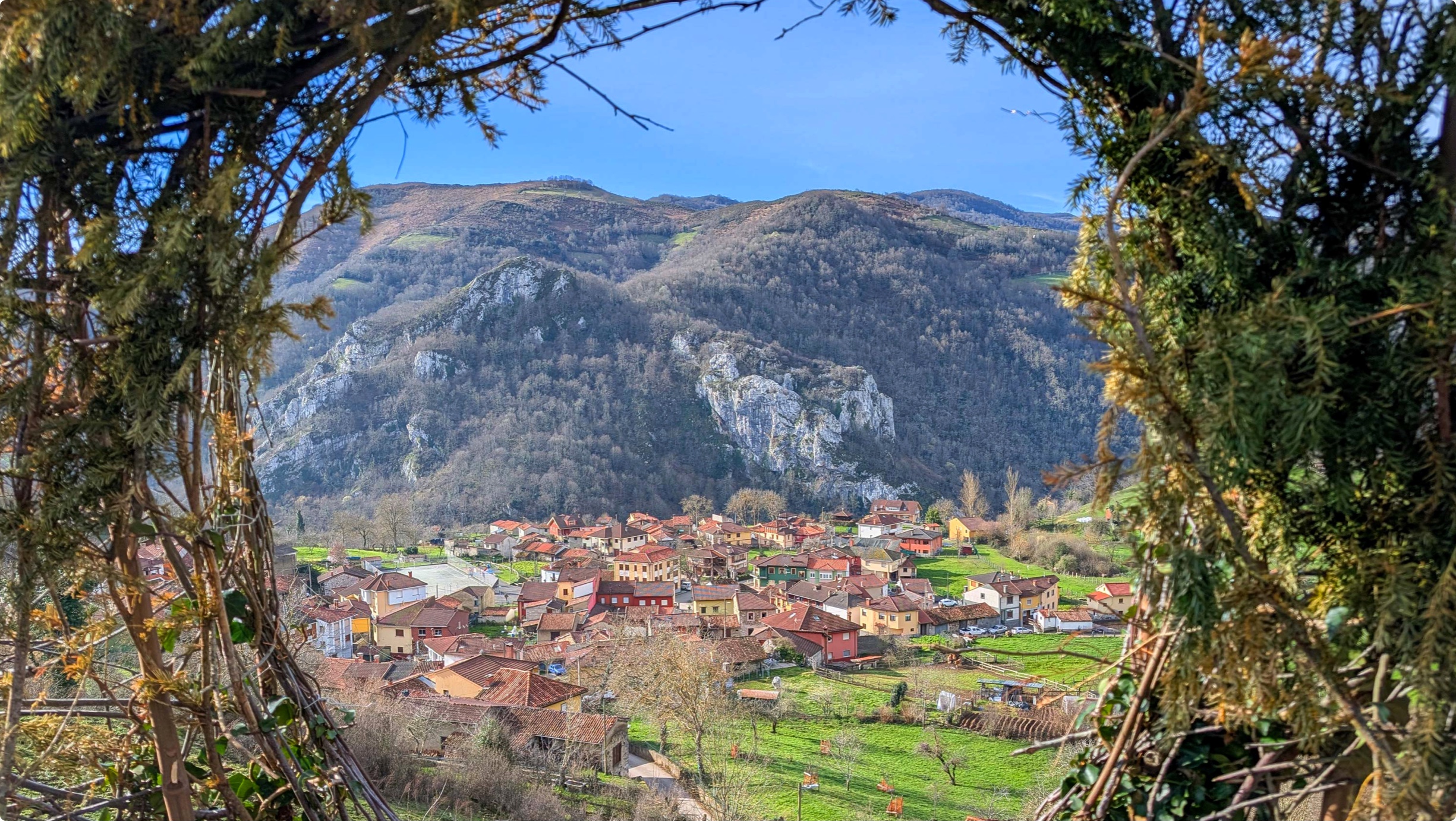
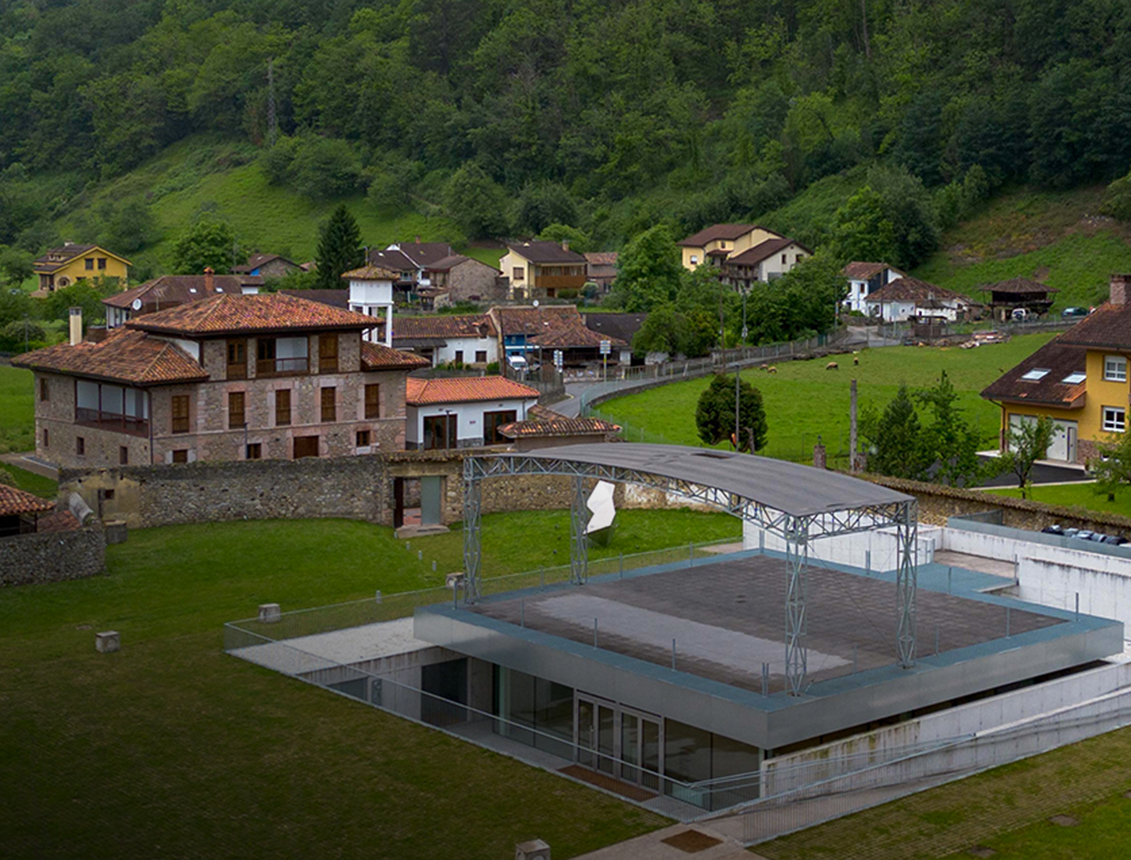
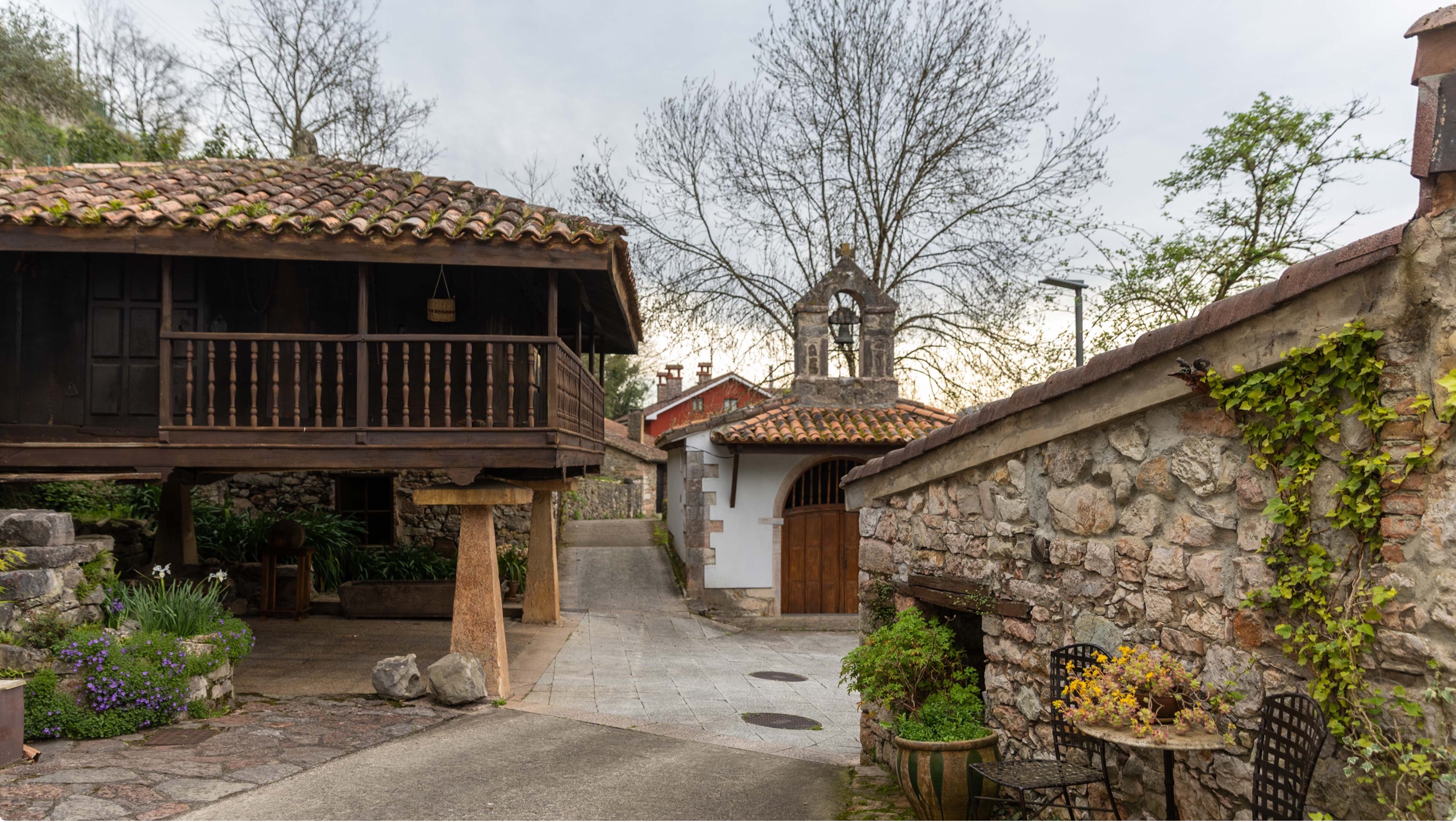
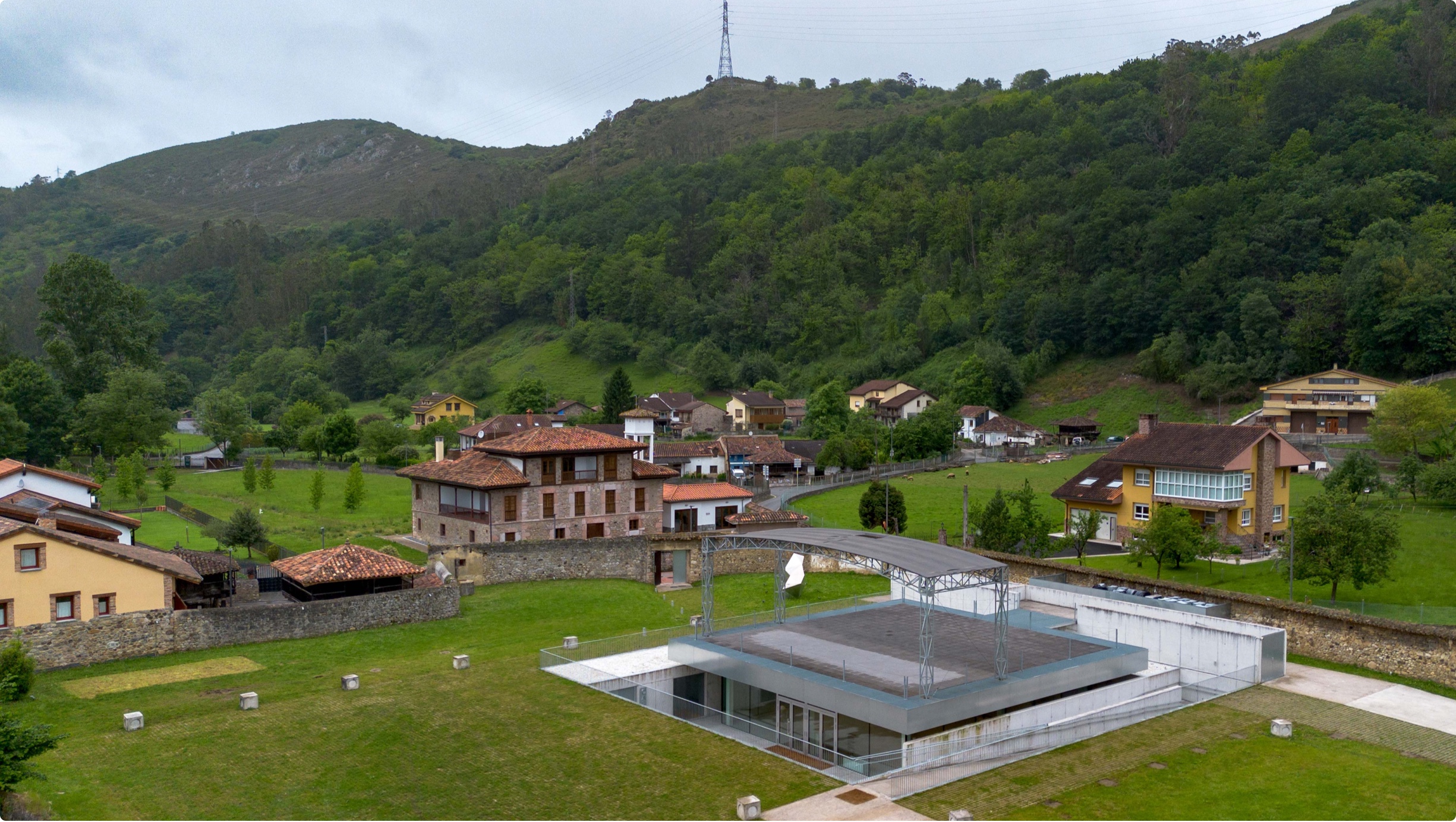
Güeñu/Bueño is its best-known feature, although it is worth exploring the village without viewing it merely as a collection of monuments. Its hórreos and paneras form part of the streets, the homes and the everyday life of the village. The Hórreo Interpretation Centre helps visitors understand what these structures were used for, how they were built and why they became one of the great symbols of Asturian rural culture. A stroll through Bueño allows you to observe details that often go unnoticed: wooden walkways, pegollos, roofs, small vegetable gardens and the relationship between each building and the space around it.
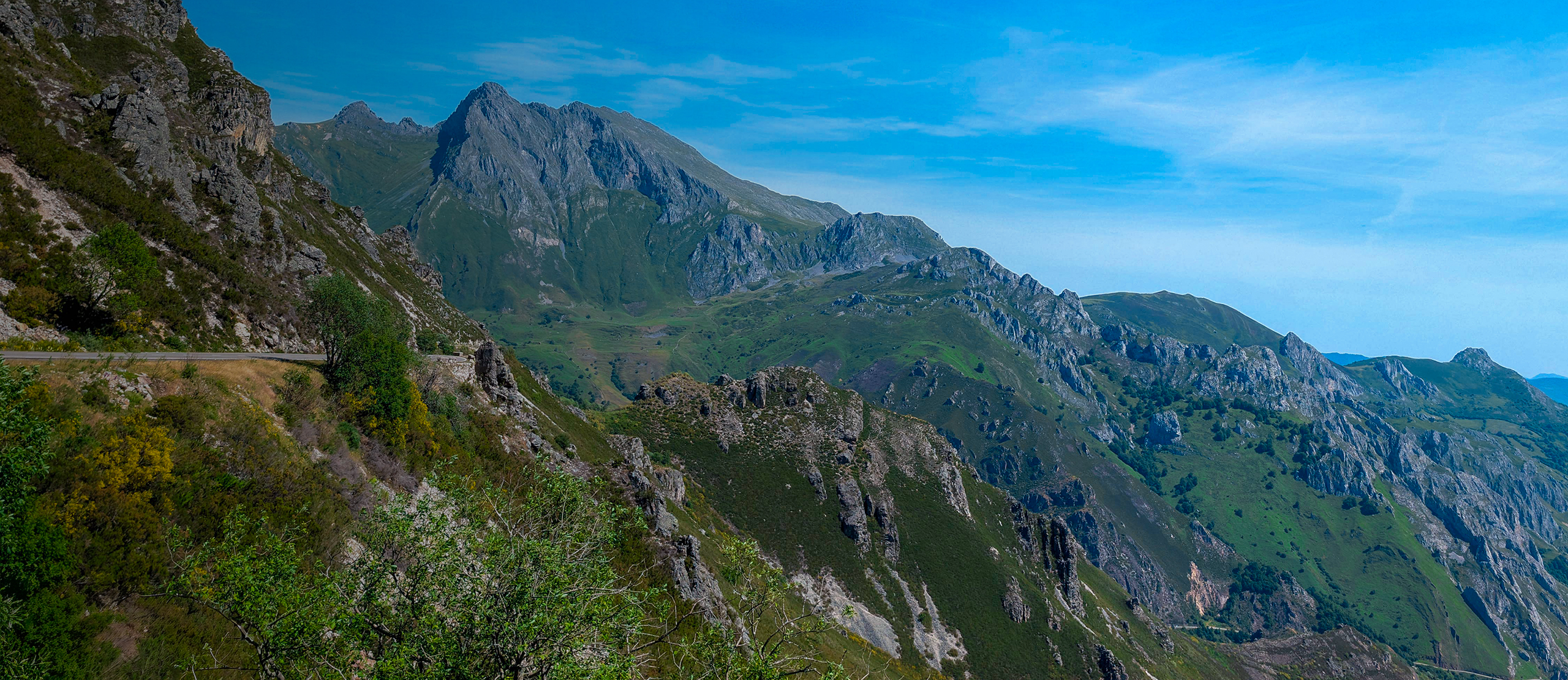
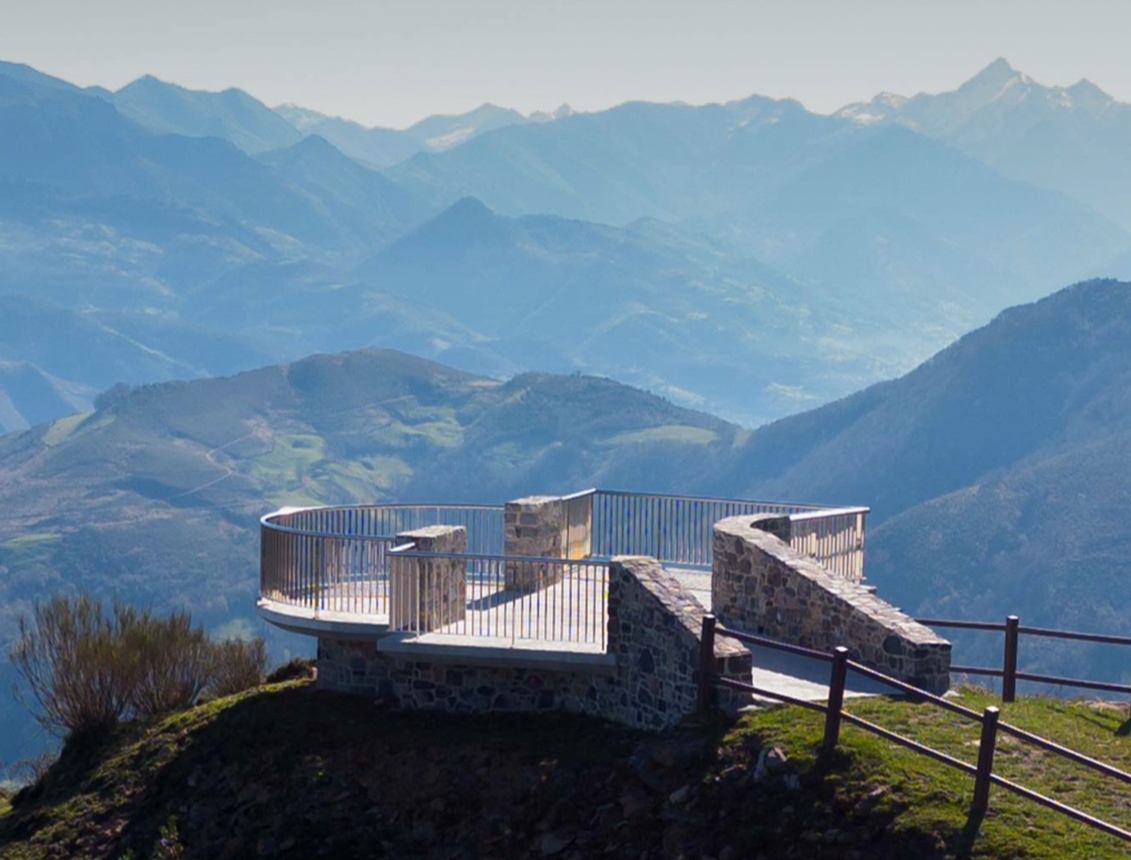
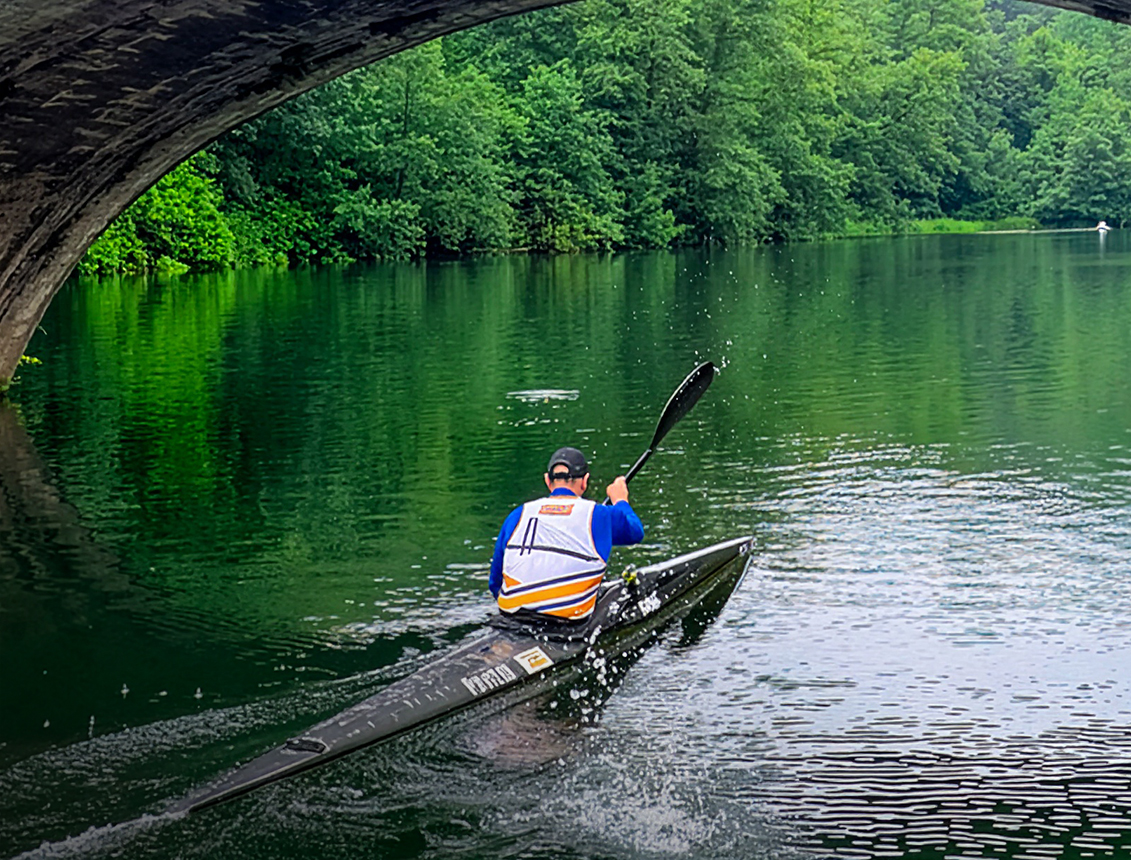
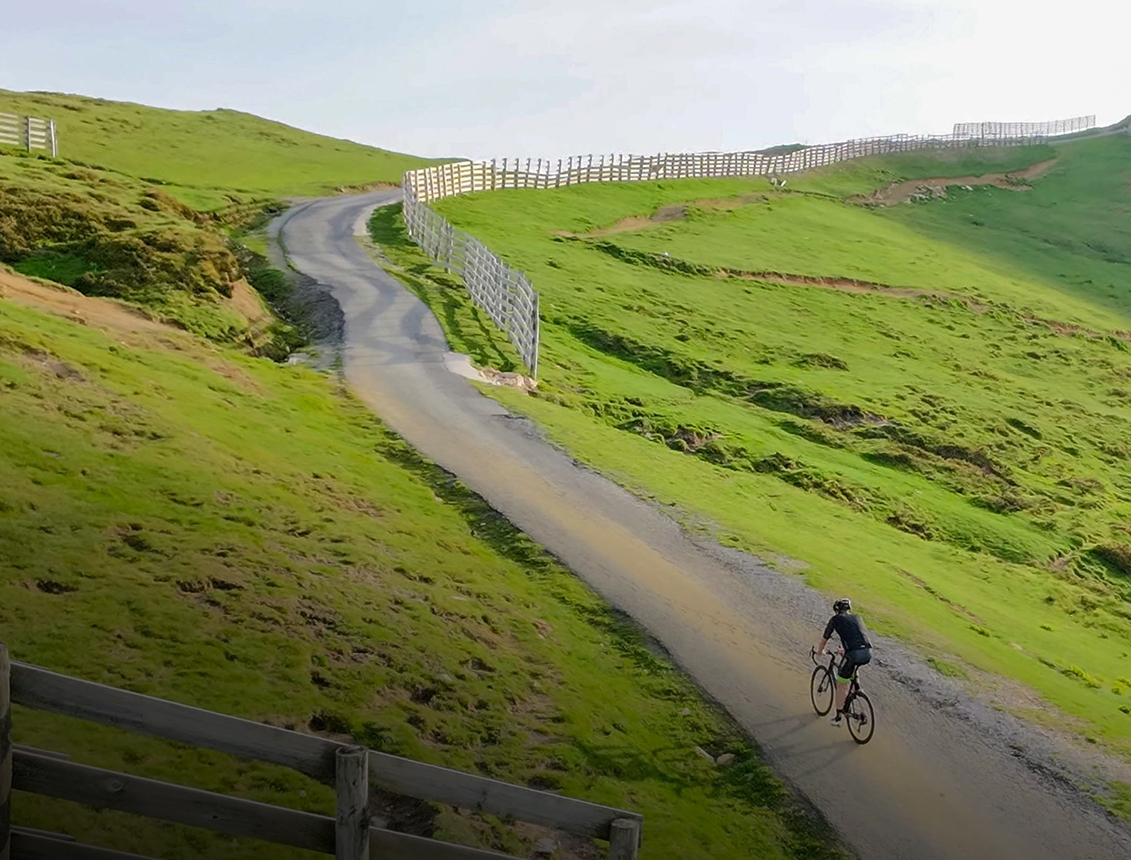
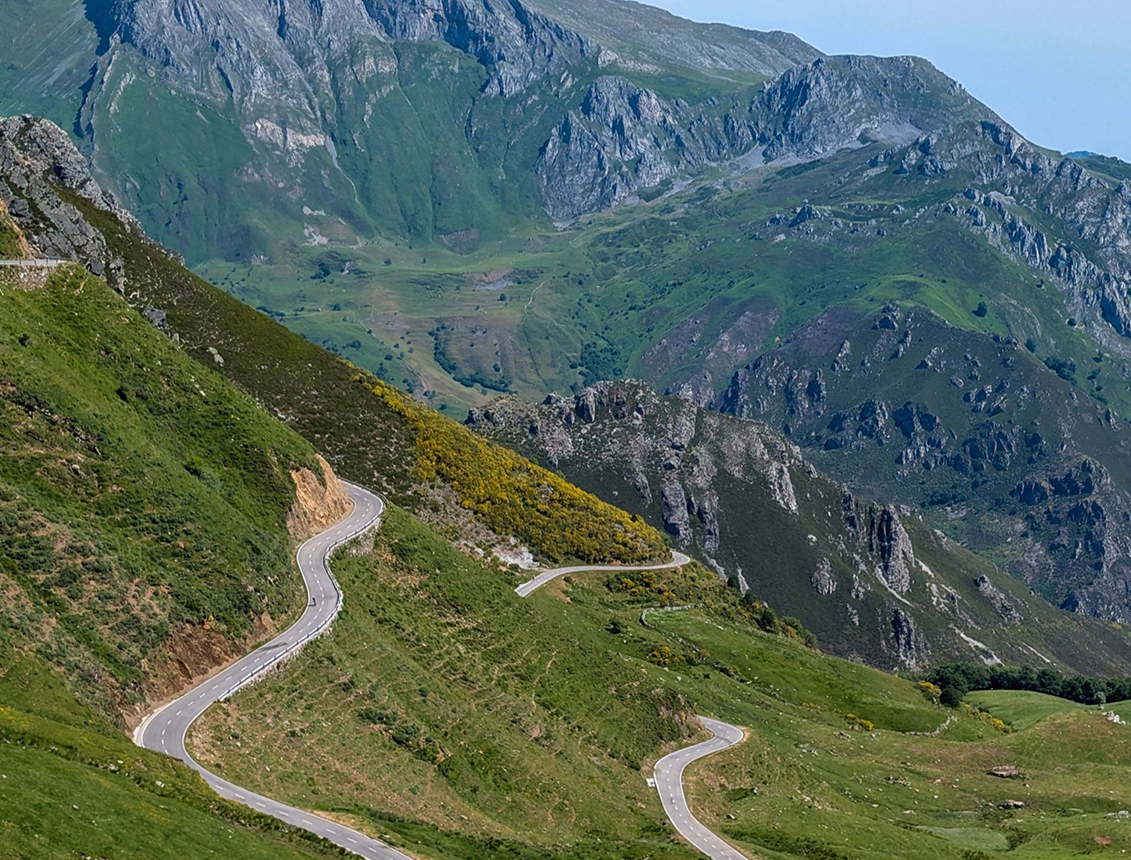
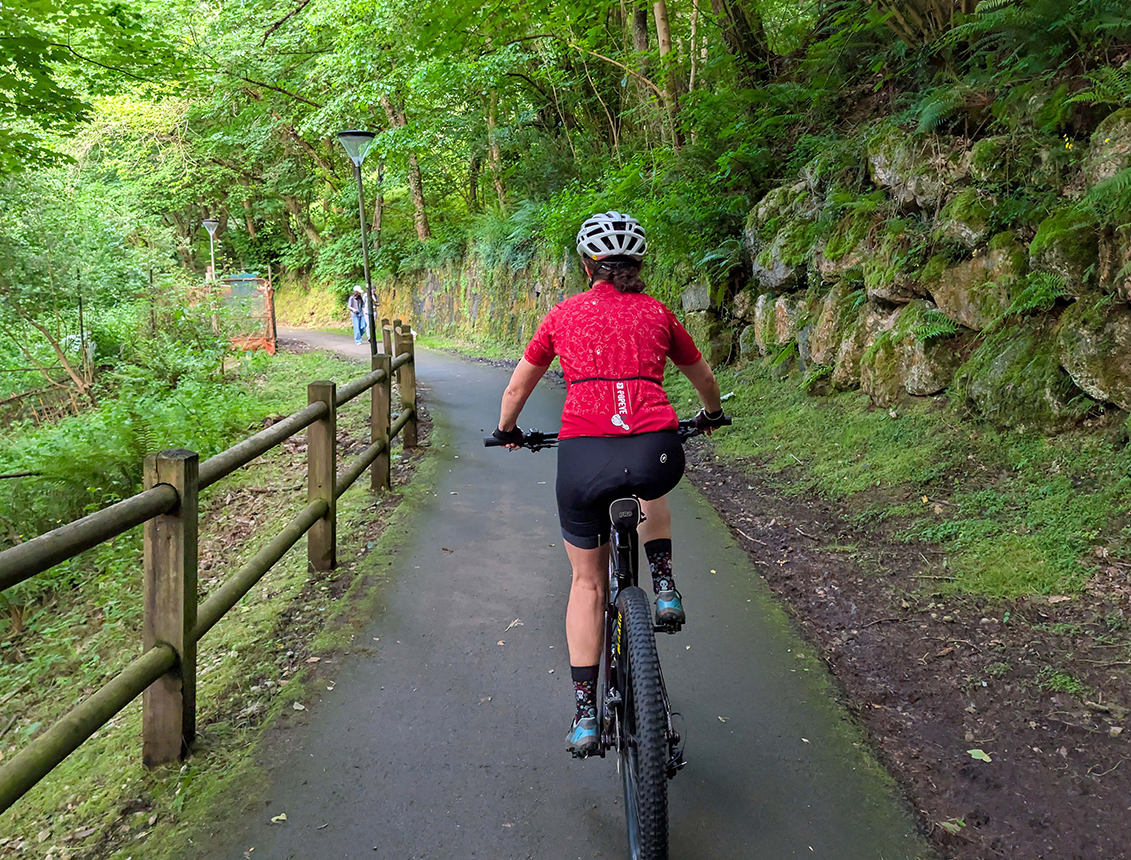
Beyond Bueño, the Peñerudes and Argame mountain ranges offer opportunities for walking and gaining altitude, whilst the banks of the River Nalón provide more leisurely walks. Soto Ribera, Tellego and the other villages reveal a municipality that does not turn its back on its industrial and metropolitan reality, yet has not lost its rural roots either. Ribera de Arriba is best explored at a leisurely pace, taking time to appreciate the small details. It is an ideal place to realise that the Central Mountain Range is also made up of open valleys, traditional architecture and everyday landscapes.