


Lena: the historic Gateway of Asturias
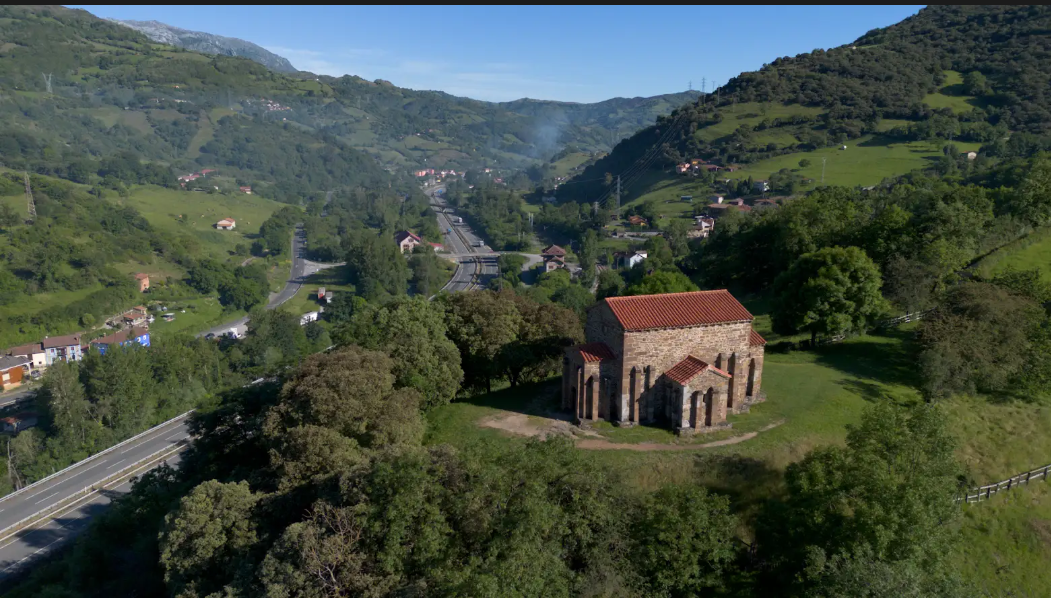
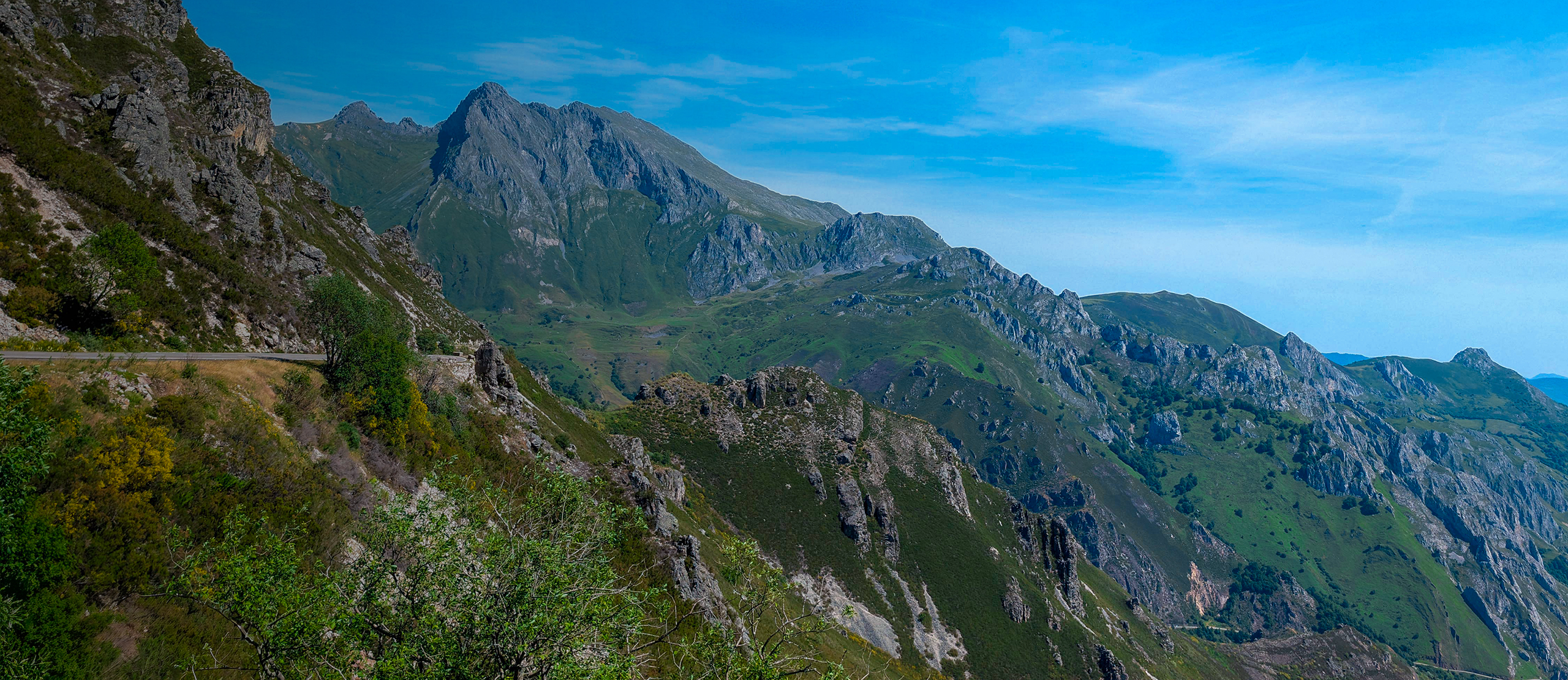
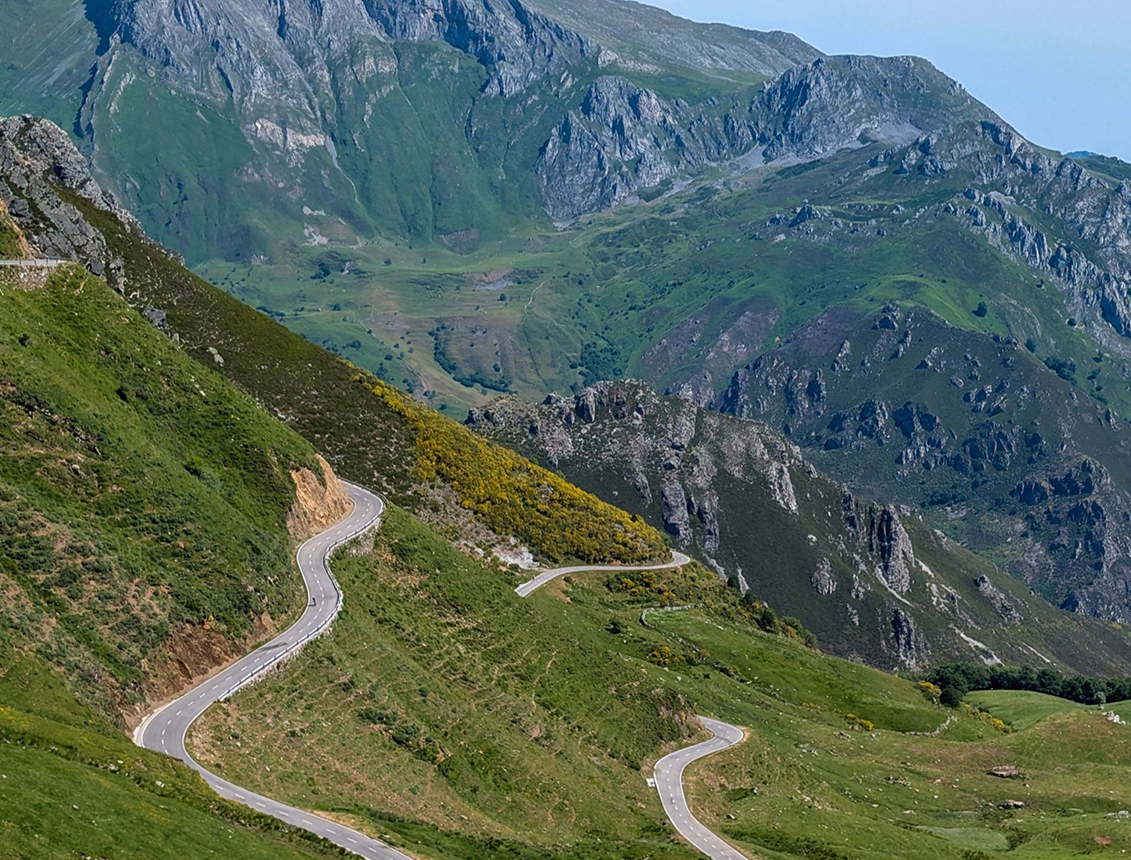
Leaving behind the plains of the plateau and crowning the mythical Pajares Pass has been, for centuries, the unavoidable rite for anyone seeking to enter the north. The Lena council unfolds before the traveler not as a simple transit territory, but as the great Gateway to Asturias.
Anyone peering for the first time into this abyss of deep valleys and limestone peaks immediately understands that the Central Mountain welcomes them with the untamed magnetism of a territory that acts as the authentic guardian of the Principality.
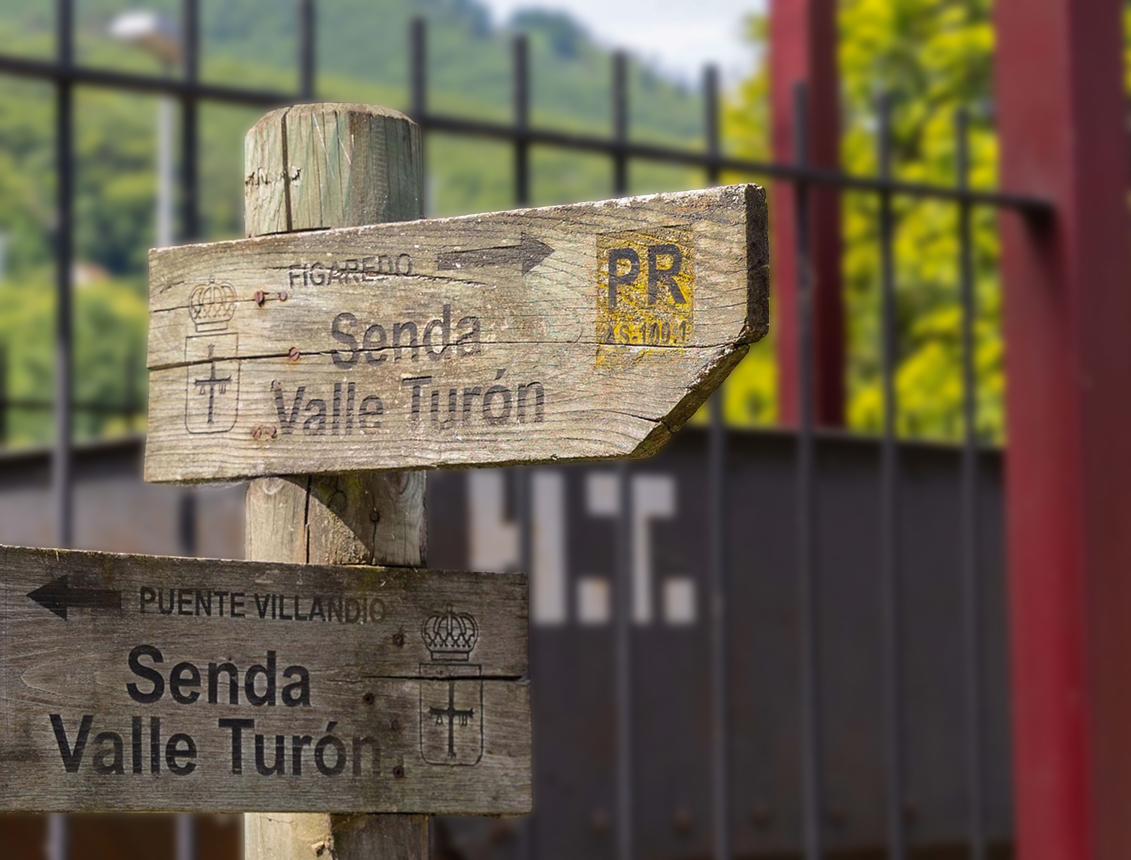
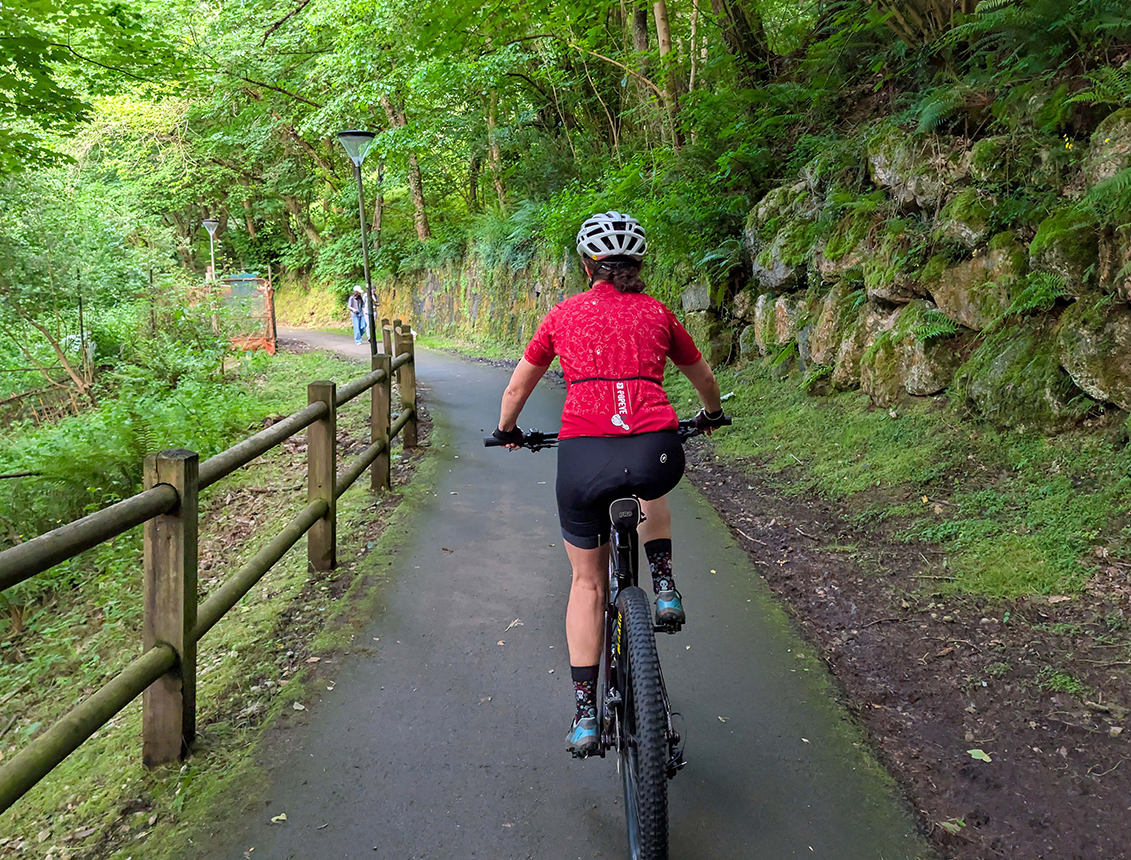
It is precisely at this mythical height that the journey fuses with history, as the Salvador Way, the famous medieval Jacobean route that leaves from León in search of the Cathedral of San Salvador in Oviedo, crosses here. Upon starting the descent of the pass following the footsteps of those ancient pilgrims, their famous motto is perfectly understood: Whoever goes to Santiago and not to the Salvador, honors the servant and leaves the Lord. By venturing into these paths today, the walker inherits that same effort and merges with a landscape that seems suspended in time.
As the route loses altitude and is enclosed in the valley, wild nature subtly yields the spotlight to ancient stone. It is the announcement that we are approaching the cultural heart of the region, where the terrain finally settles down. And it is here that the Gateway to Asturias receives the traveler with the most important heritage landmark in the area: a unique architectural jewel that guards the memory and the true origin of Asturian identity.
The stone that watches over the passage of time
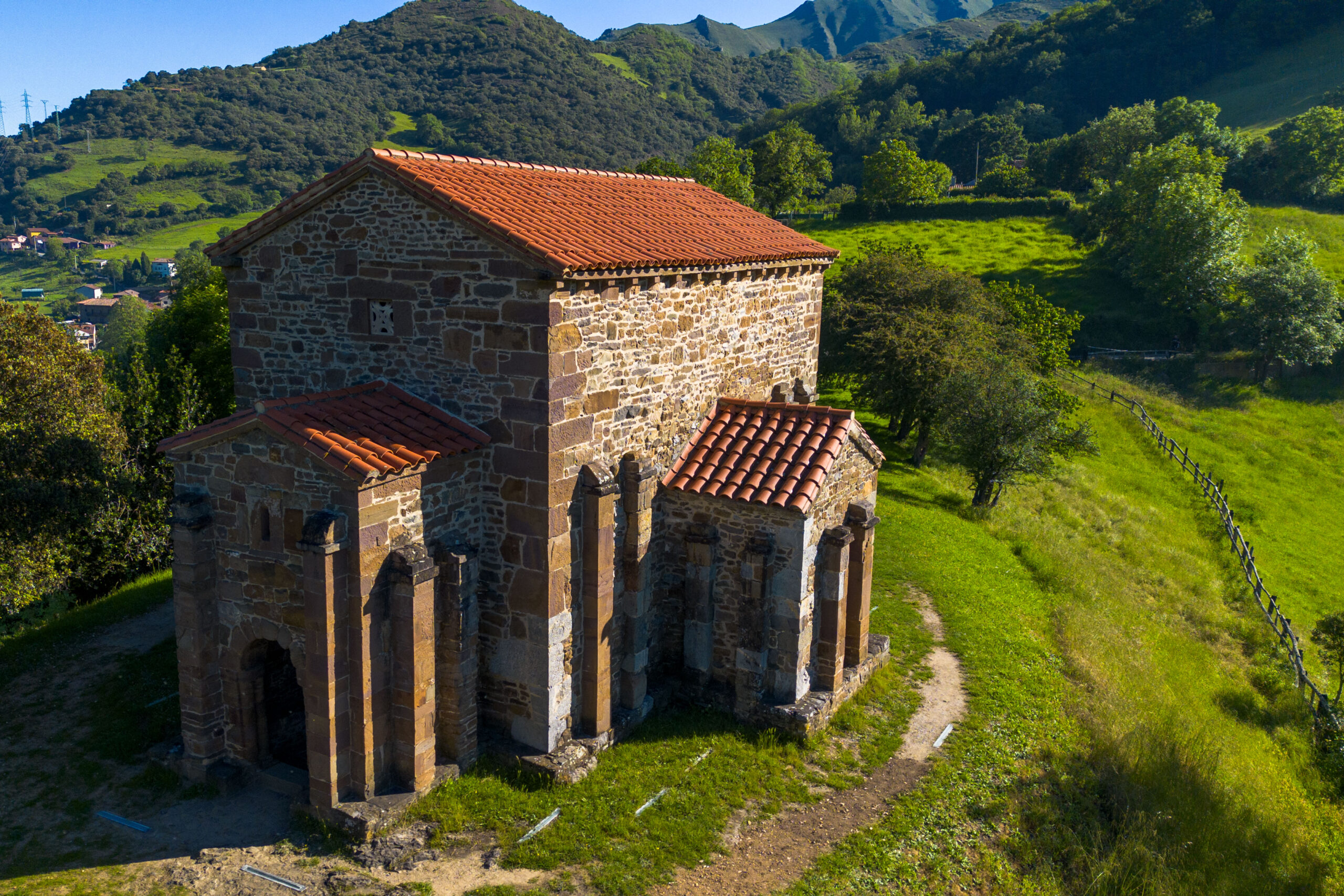
That jewel is none other than Santa Cristina de Lena. Declared a UNESCO World Heritage Site, this masterpiece of 9th-century pre-Romanesque art rises solitarily on a hill overlooking the Lena river valley. It is not a monument integrated into urban bustle: it is a sober and harmonic structure that seems to sprout from the earth itself, managing to overwhelm the visitor from the very first moment.
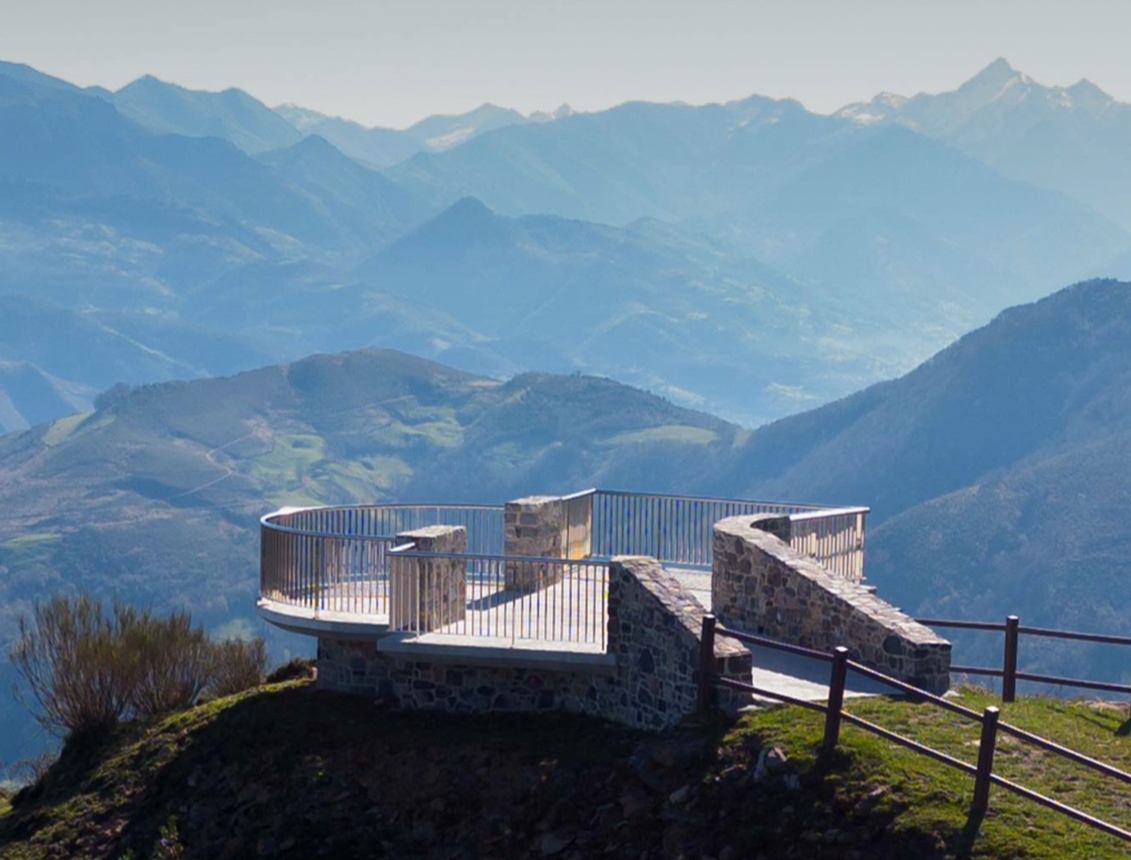
Making a stop on this hill allows one to immediately understand why the Central Mountain has been, and continues to be, the great crossroads of the historic paths of Asturias. In an era when crossing the mountain range was a real feat, Santa Cristina did not only function as a place of worship, but as a beacon and a lookout for travelers connecting the plateau with the coast.
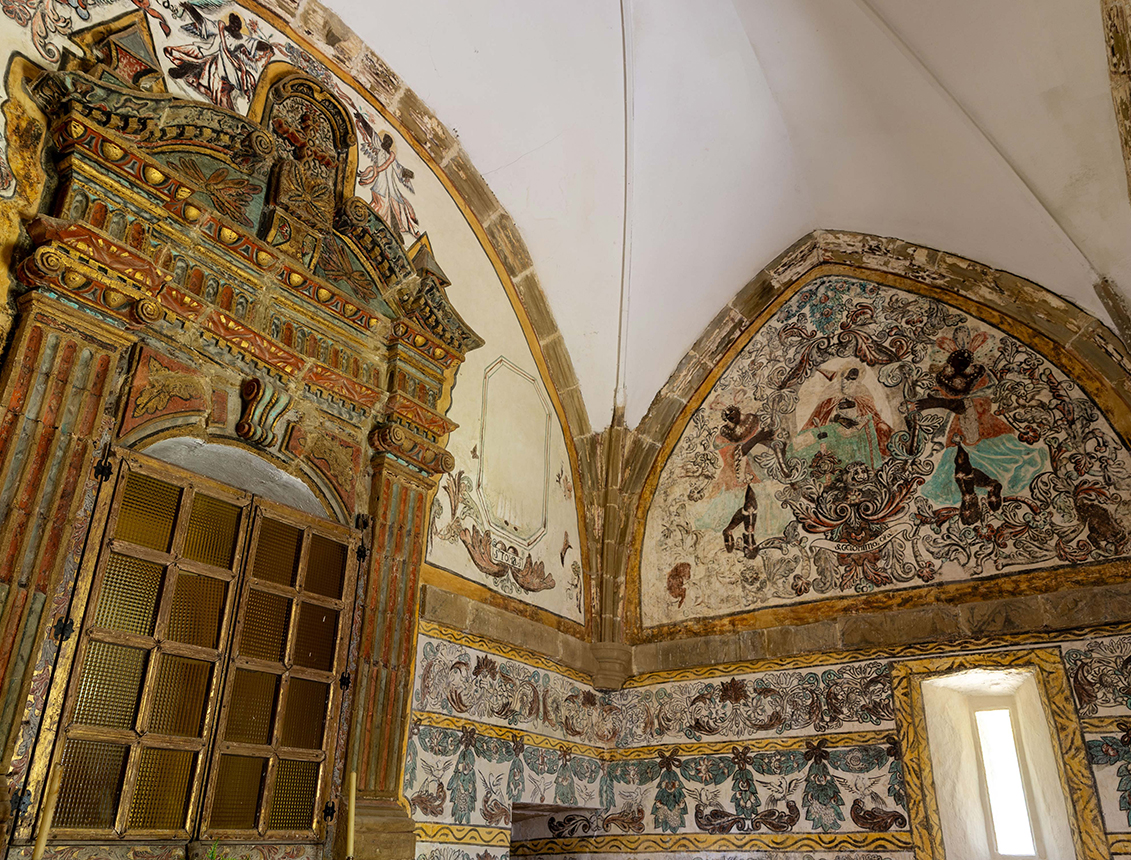
In fact, upon crossing its doors, that frontier function becomes palpable: inside, the famous stone iconostasis—unique in Spanish pre-Romanesque art—separates the sacred from the earthly, reflecting on its walls that same feeling of refuge that the walker seeks when sheltering from the mountain.
It is precisely there, amidst the silence of the stone, that the Gateway to Asturias offers its most hospitable and welcoming version. Anyone who stops to listen to the wind in this corner discovers that the true secret of the north does not begin upon arriving at the coast, but in these first valleys that welcome the traveler with open arms. The walker who contemplates the horizon from the walls of Santa Cristina understands that this territory is not just a place of passage, but the true beginning of the entire journey.
- Compartir


Más del Blog
-
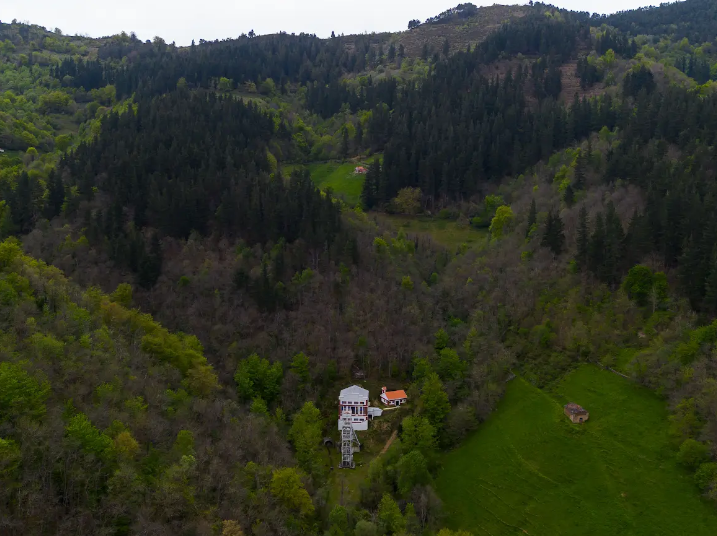
Wells that breathe culture: the awakening of the Montaña Central
06 July, 2026 - wp6tems
- Deportes
- Naturaleza
-
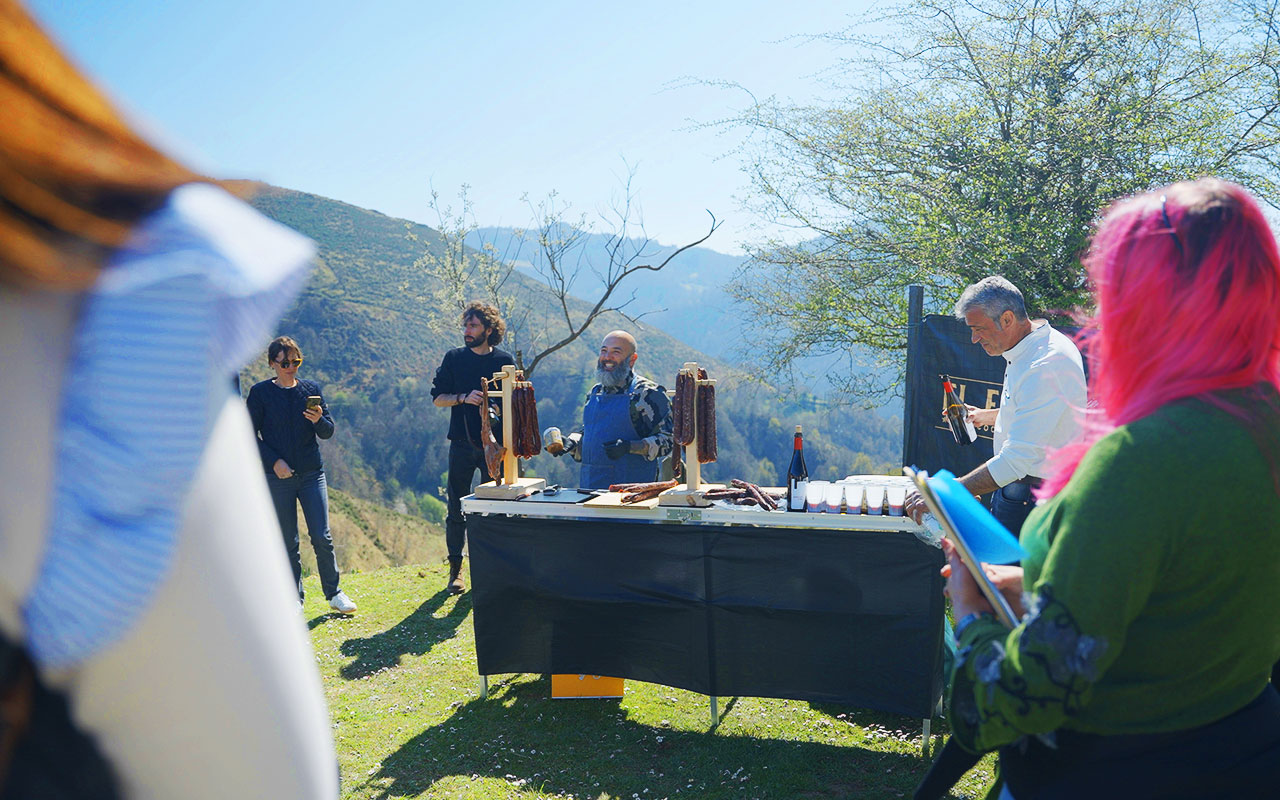
Gastrollar: the program that transforms ‘coal cuisine’ into a living experience
06 July, 2026 - wp6tems
- Deportes
- Naturaleza