


The Olympus of cycling: the physical legend of the Angliru
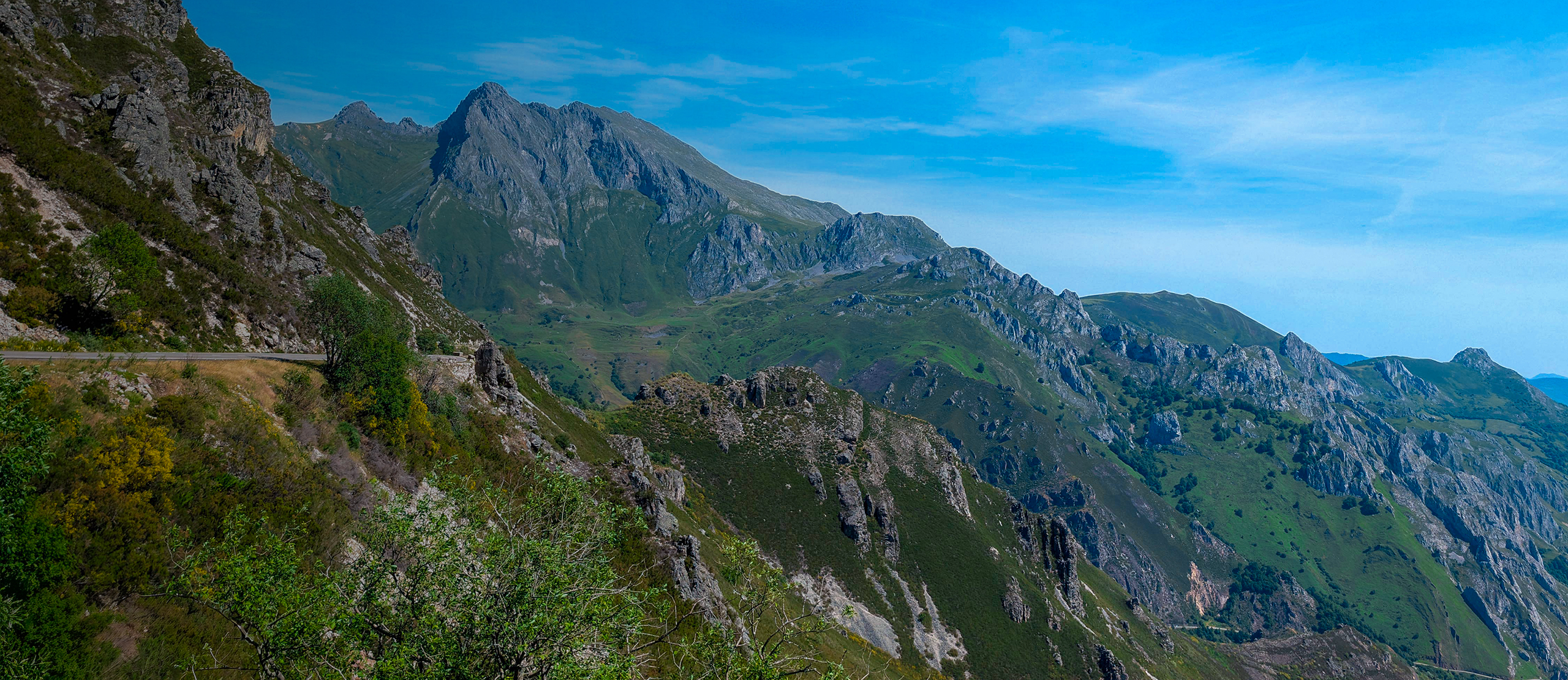
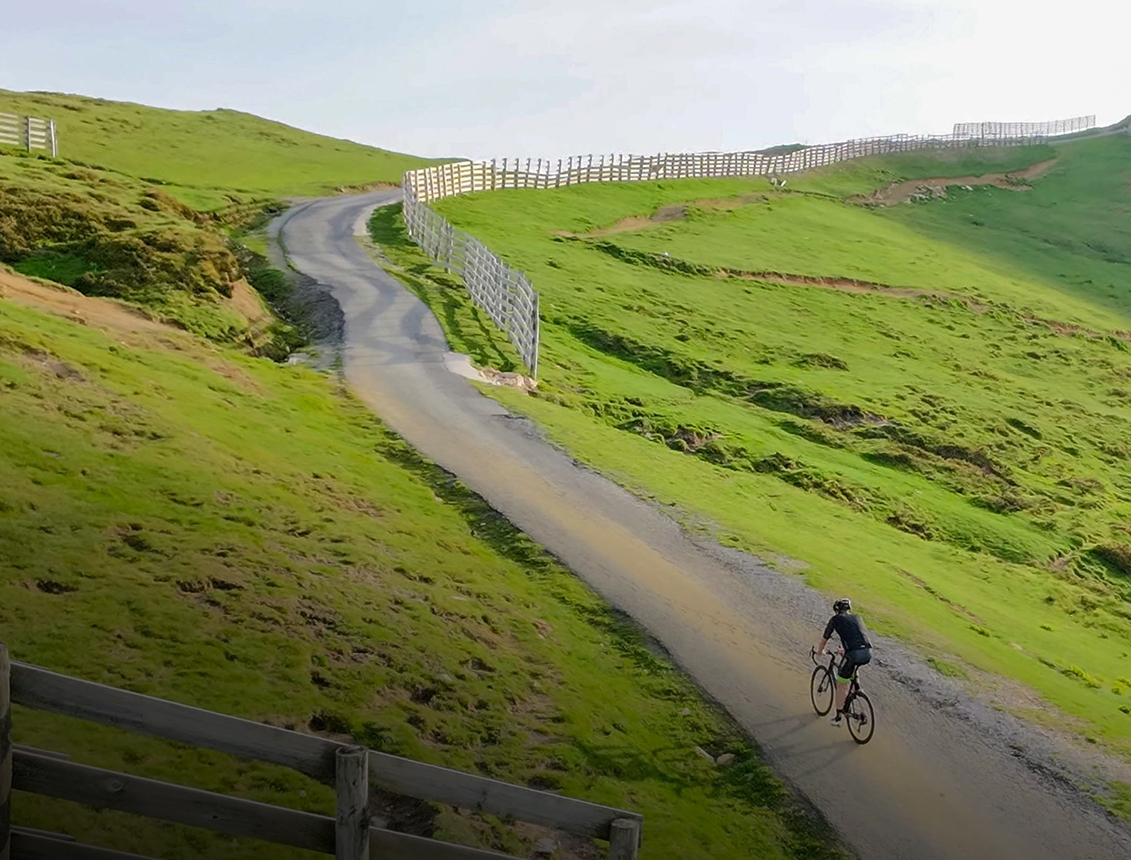
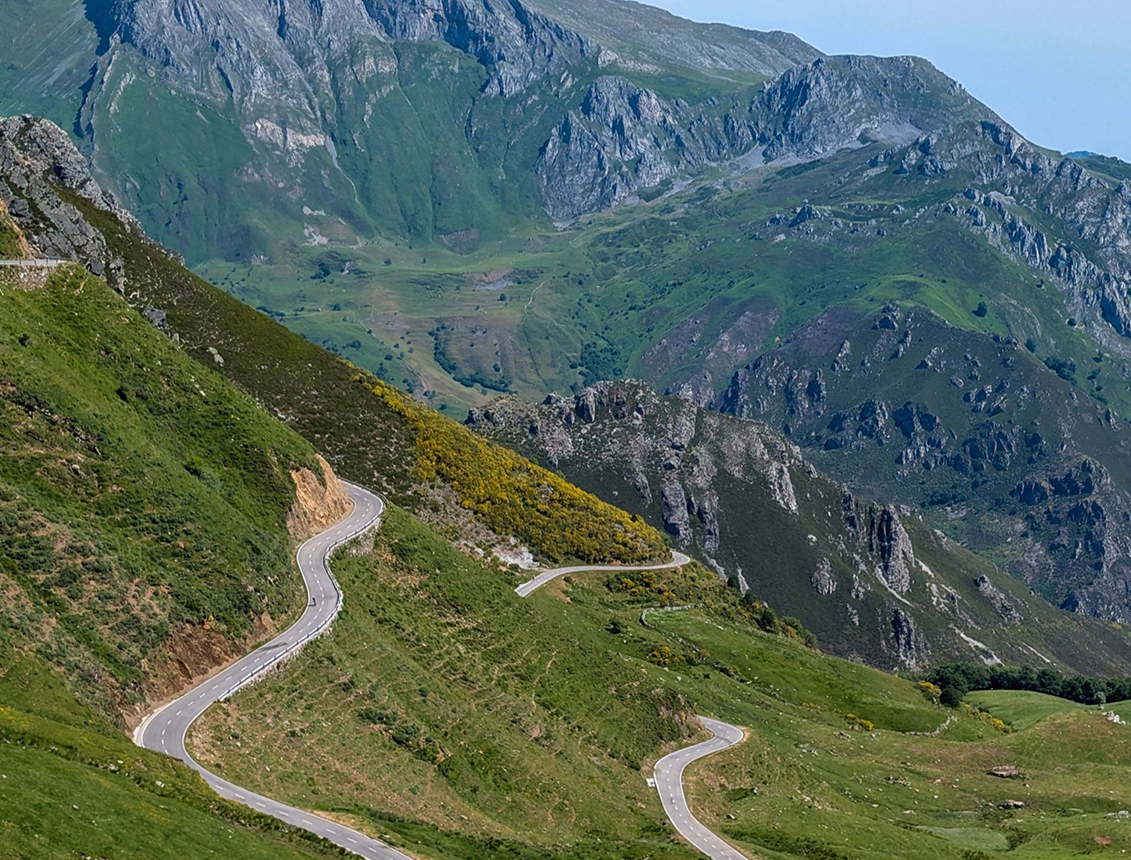
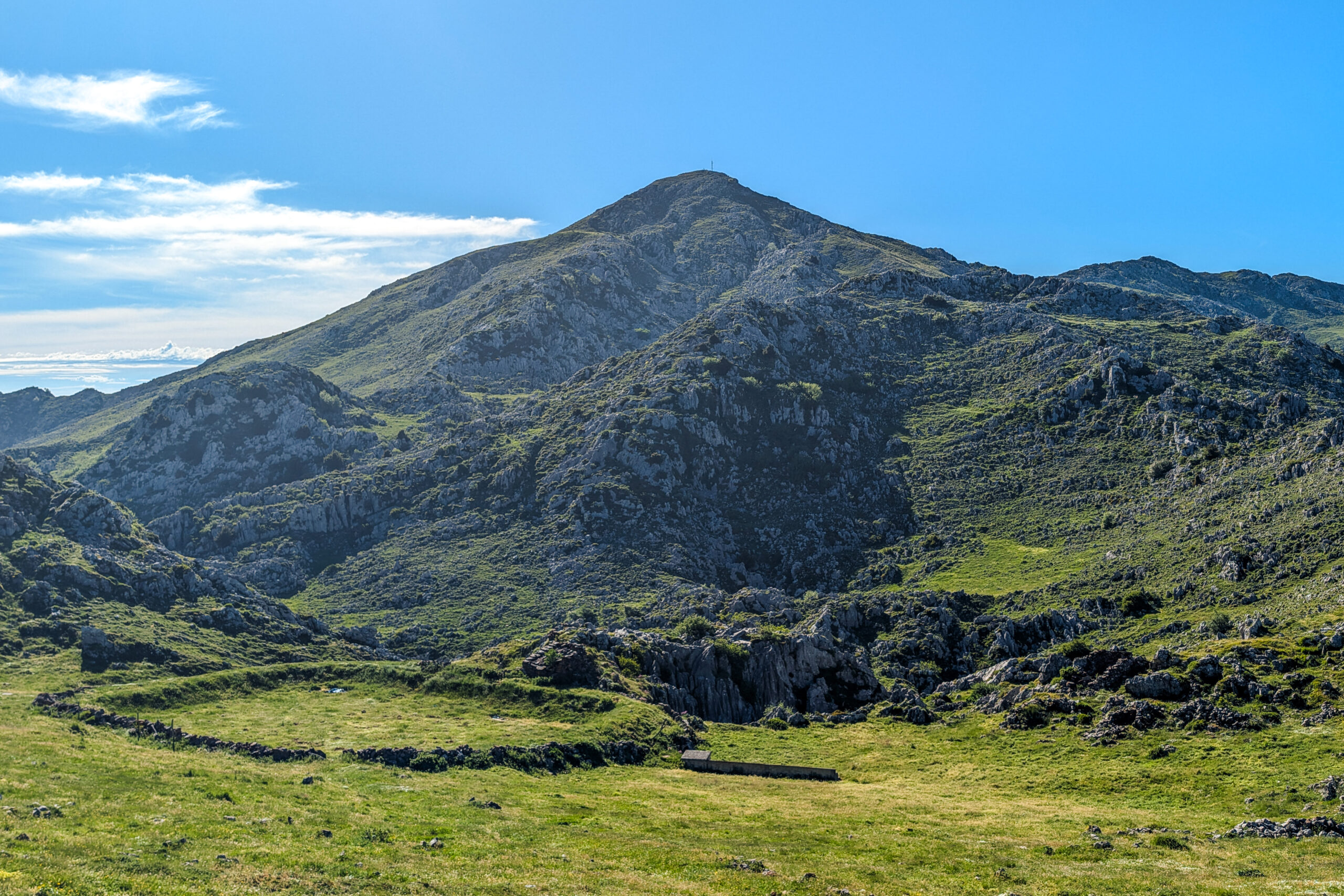
Climbing the Angliru is not just about facing one of the hardest cycling ascents on the planet: it is about entering the untamed scenery of the Asturian council of Riosa, where the asphalt becomes vertical and physical exertion is pushed to the absolute limit.
Formerly known only to local hikers and farmers who would go up to the El Gamonal mountain pastures, this colossus of the Central Mountain gained worldwide fame after its inclusion in the 1999 Vuelta a España, seeking a stage finish with the same resonance and difficulty as the Lakes of Covadonga.
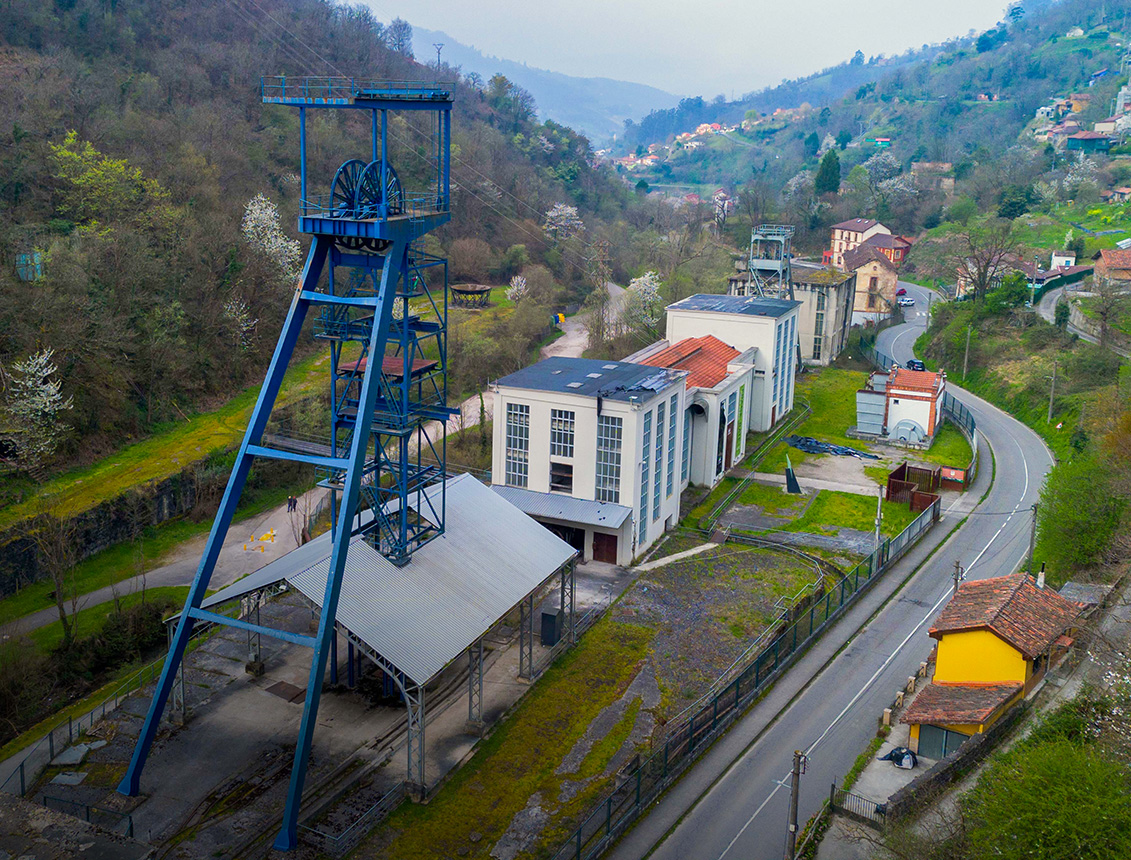
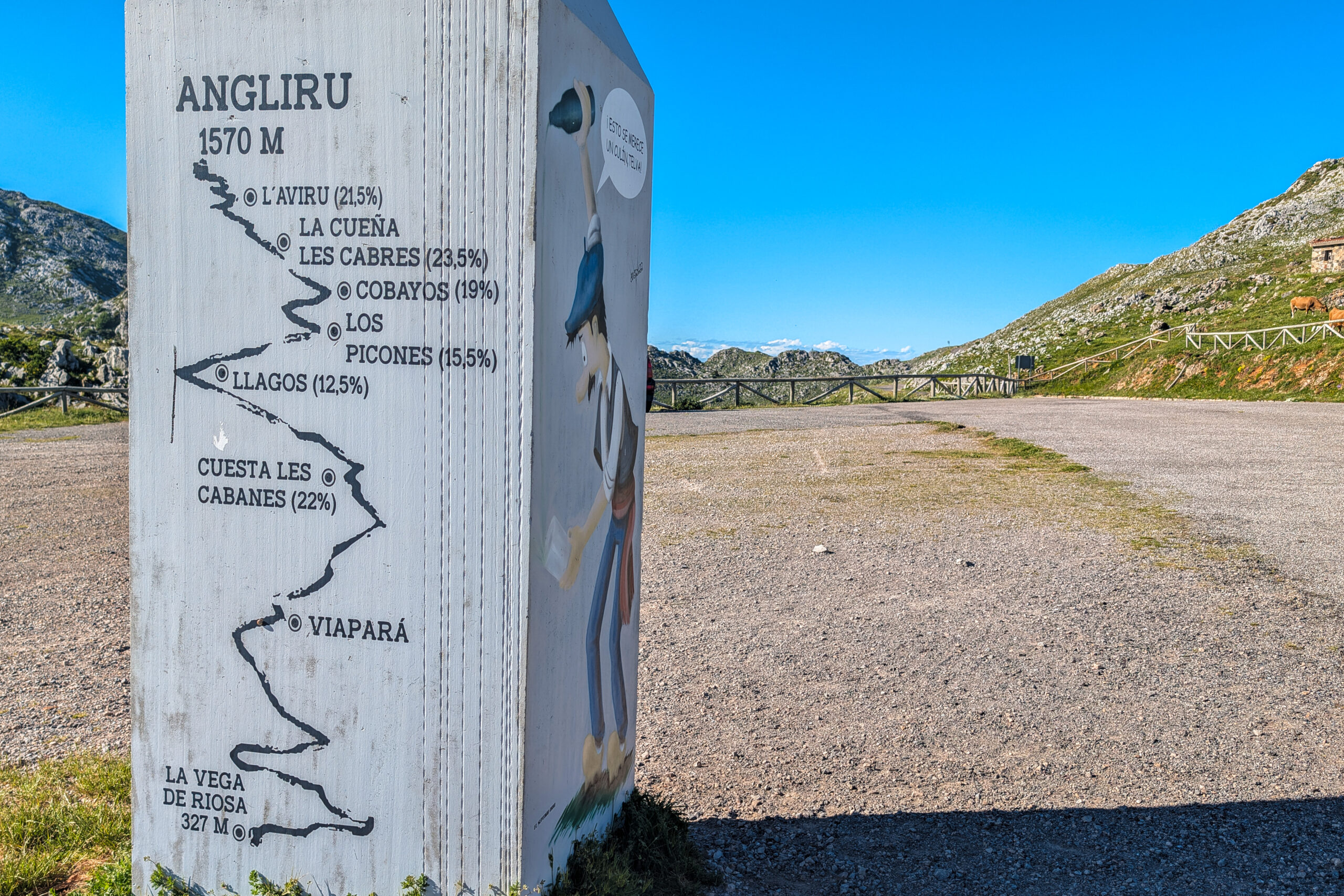
Crowning this colossus requires a sacrifice that serves as a perfect metaphor for the territory itself. It is no coincidence that this summit rises above valleys that, for generations, forged their character in the rigor of the mining line. The same stubbornness and mental strength required to descend into the depths of the mine are transferred today, in the open air, to every pedal stroke that seeks to win the battle against ramps that reach their zenith at the Cueña les Cabres, with a demanding 23.5% maximum gradient.
Anyone who faces this asphalt giant does not compete against a stopwatch or rivals: they compete against themselves and against a gravity that seems overwhelming. It is a personal challenge of epic dimensions where endurance and the capacity for physical suffering prevail over any strategy.
The legacy of effort
The hardness of the Angliru lies in the fact that its roads do not understand half measures. Considered one of the most demanding summits in the world to climb in a race, its legend is written even before starting to climb it. The professional peloton never arrives fresh at its base: tradition requires the prior punishment of the Alto del Cordal, a first-category pass with a final kilometer and a half at over 12% and a descent capable of breaking great cycling stars.
That prior wear and tear forces the rider to start the ascent with legs already at the limit, where every bend reminds the traveler that they are crossing a territory where nothing has been achieved without effort. The silence of the high Asturian mountain is only broken by the cyclist’s breathing, a modern echo of the miners who challenged the topography in mountain workings as tough as the nearby ones at Texeo.
That sporting demand was engraved in the collective memory in 1999, when José María “Chava” Jiménez overtook the Russian Pável Tonkov in the final meters after emerging from the dense fog, signing one of the most famous pages in international cycling. For this reason, the cycle tourist who arrives today from any corner of the planet understands that the value of the destination lies in the process of overcoming.
The Central Mountain offers here its most demanding version. Conquering this summit is understanding that the true essence of the territory is earned with hands and legs. Perhaps the best-kept secret of this giant is that, by overcoming its slopes, you not only take with you the memory of having crowned the Olympus of cycling, but the pride of having made your own, at least for a day, the indomitable tenacity of the people of the basin. An honest victory, without filters and won by hard work against the mountain.
- Compartir


Más del Blog
-
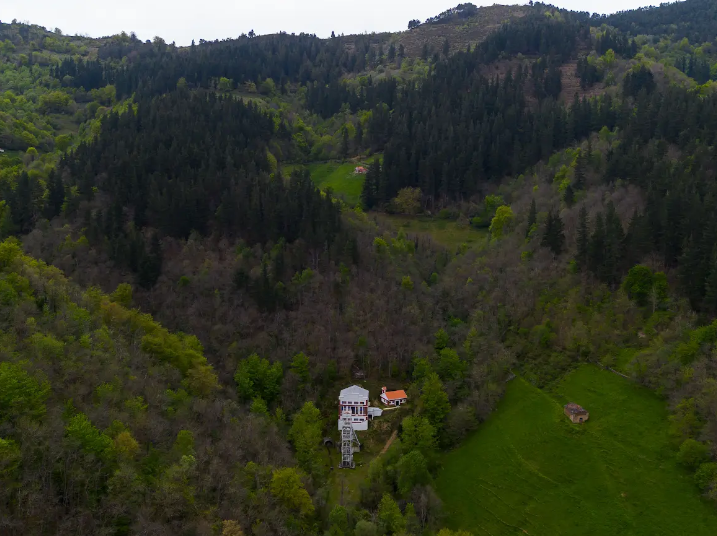
Wells that breathe culture: the awakening of the Montaña Central
06 July, 2026 - wp6tems
- Deportes
- Naturaleza