


Wells that breathe culture: the awakening of the Montaña Central
There are places where the landscape is not only shaped by nature, it is also sculpted by memory, work, and the wounds of history.
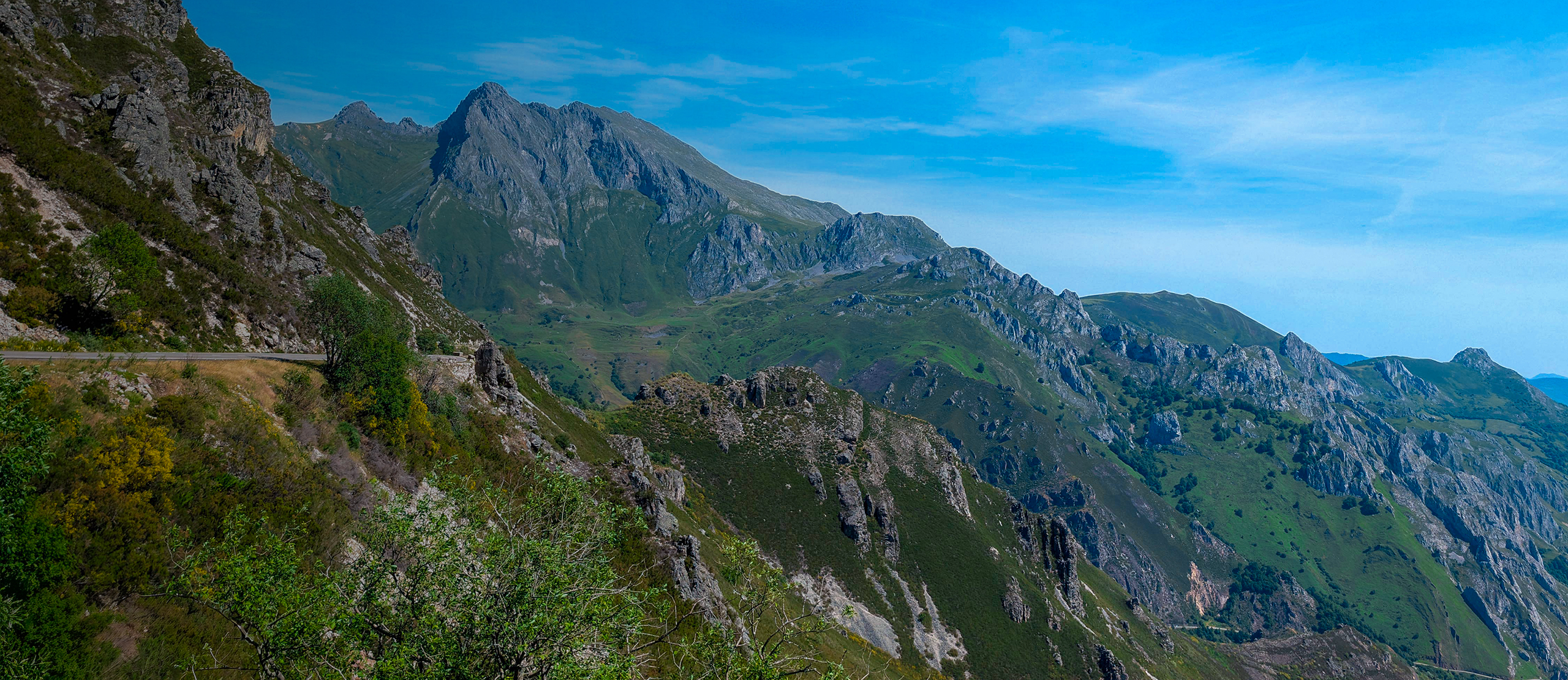
In the heart of Asturias, there exists a territory where green valleys coexist with iron headframes, mining pits, and industrial remains that still beat beneath the mountain. It is the Central Mountain: a land where coal fueled entire generations, molded communities, and built an identity deeply rooted in the land.
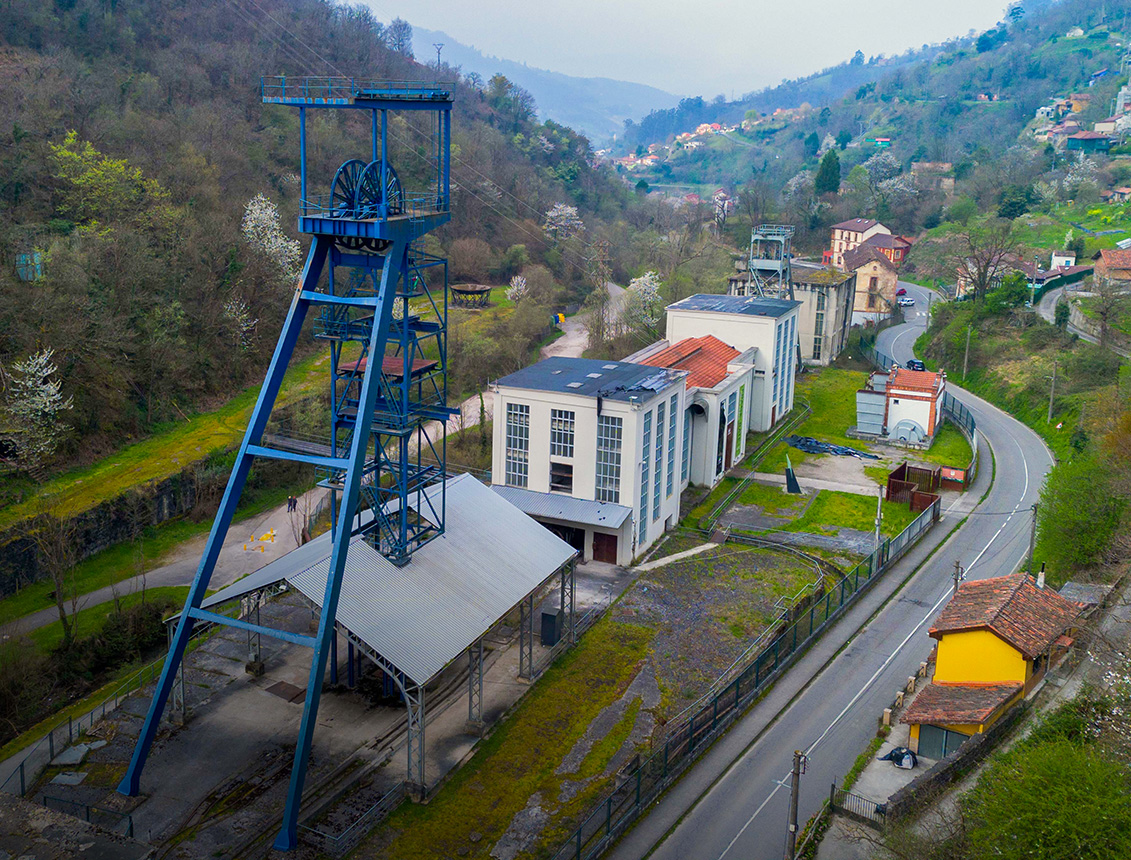
Today, when the mines have ceased their coal-fueled roar, their structures emerge transformed into something else. They are no longer merely industrial symbols. They are living heritage, they are memory, they are culture, and, furthermore, they are paths.
Traversing the Central Mountain is discovering a different Asturias… rawer, more authentic. An Asturias where industrial heritage has not been airbrushed or turned into an artificial set, but rather integrated into the landscape with the utmost respect and honesty. The trails cross old operations, mining villages, and structures that still retain the emotional weight of those who worked underground.
And the fact is that in the Central Mountain, the journey does not consist merely of looking: it consists of understanding.
The pride of industrial roots
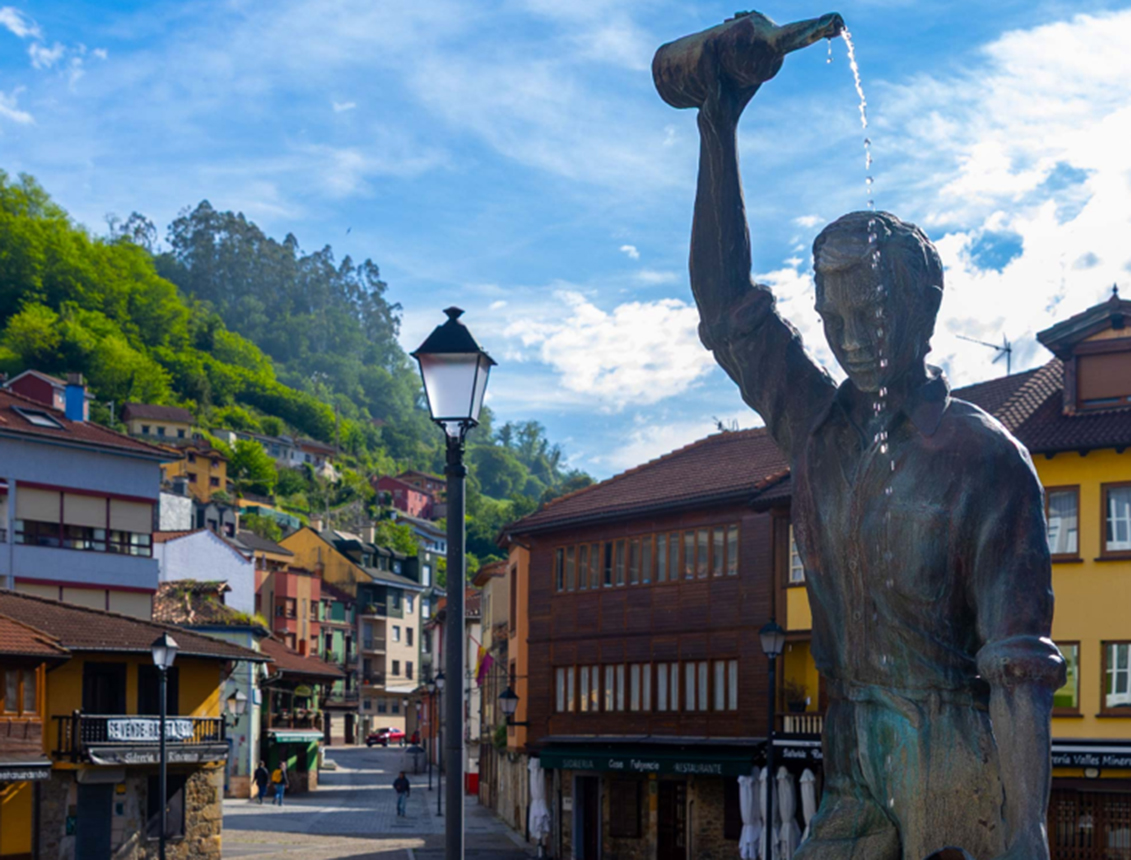
Talking about the Central Mountain is talking about mining pride. A pride that remains intact in places like the Bustiello Mining Village, one of the most unique workers’ settlements in Asturias. Walking through its streets is a journey to the heart of a community built around the mine: the geometric architecture, the church, the schools, and the communal spaces preserve the daily memory of those who made that place a home.
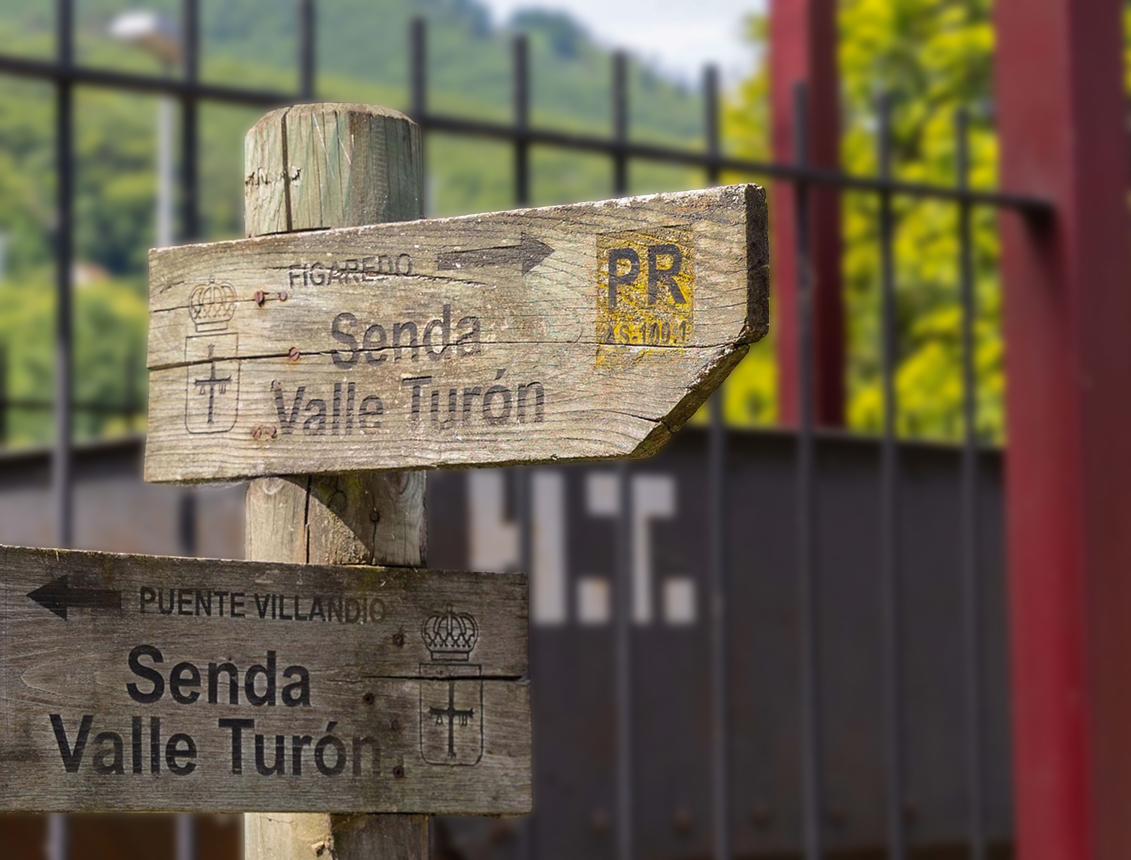
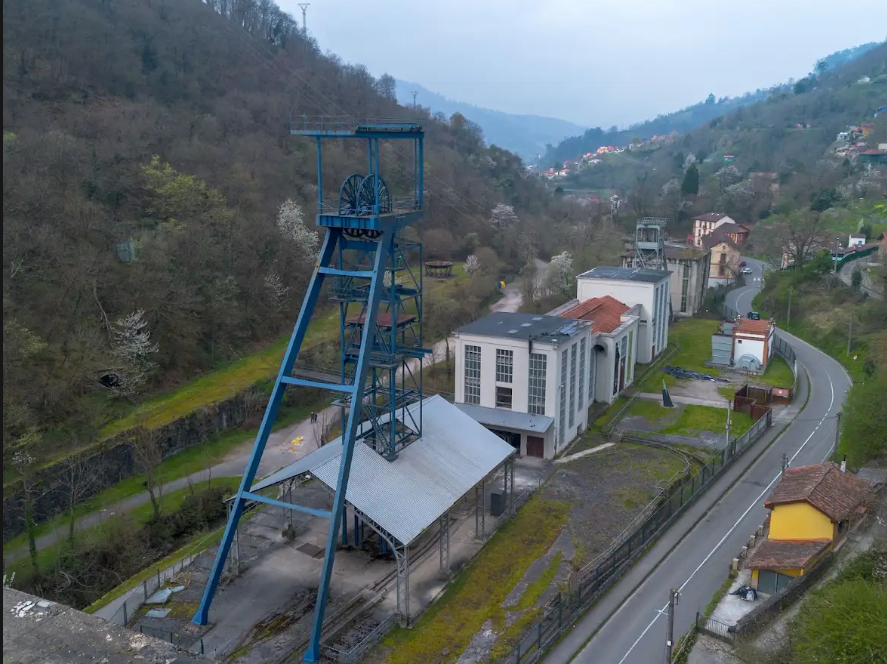
The Santa Bárbara Pit represents another fascinating transformation: where there was once extraction and industrial noise, today heritage, art, and culture coexist beneath the old headframe. At the Espinos Pit, in the heart of the Turón valley, a structure stands that continues to dominate the landscape as if it were still watching over the mountain’s pulse.
But the Central Mountain does not romanticize its past; it also shows it with all its harshness. The Fortuna Pit is a place of remembrance and dignity, probably the most moving in the region: there, the silence weighs heavy, and the memory of those who fell during the Civil War makes this space much more than industrial heritage.
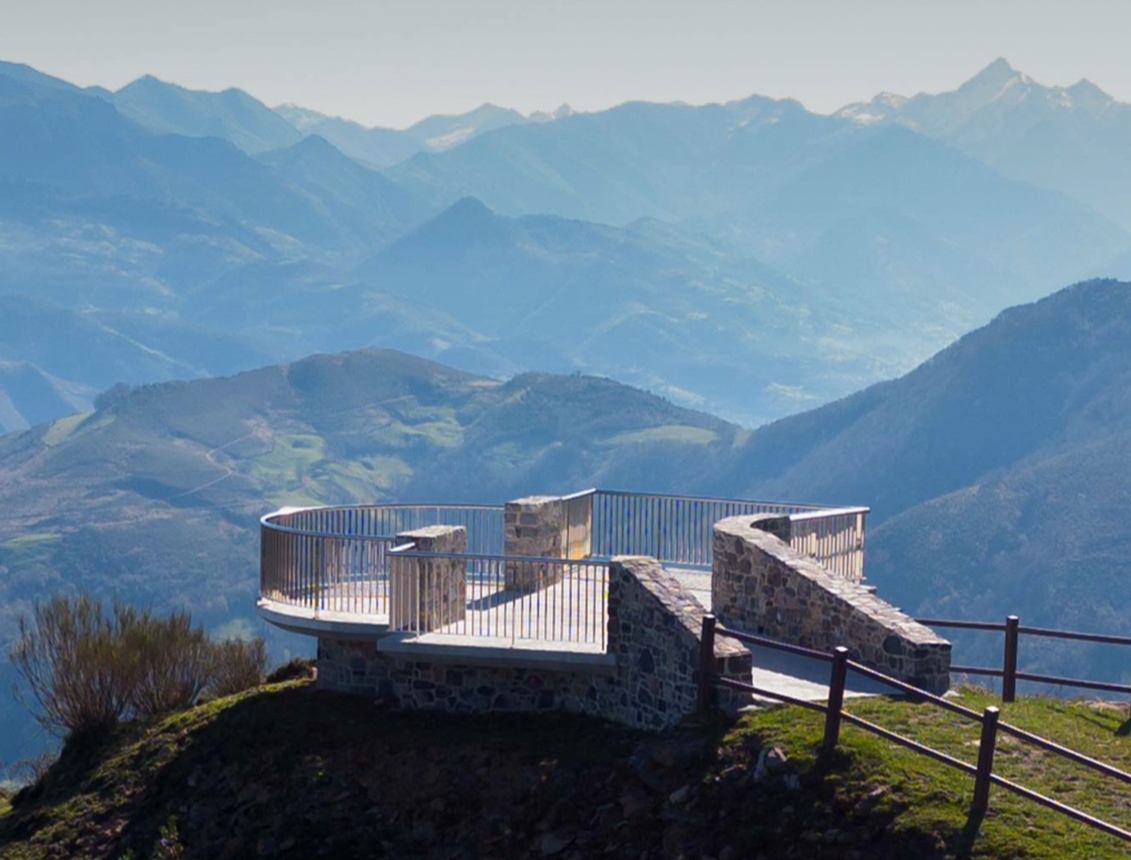
The mining legacy climbs mountains and merges directly with the landscape. The Texeo Mines in Riosa, with origins dating back to pre-Roman times, surprise with their integration into the rock: the Arrebolleu shaft, the old structures, and the viewpoints over the valley create a scene where nature and industry form part of the same emotional geography.
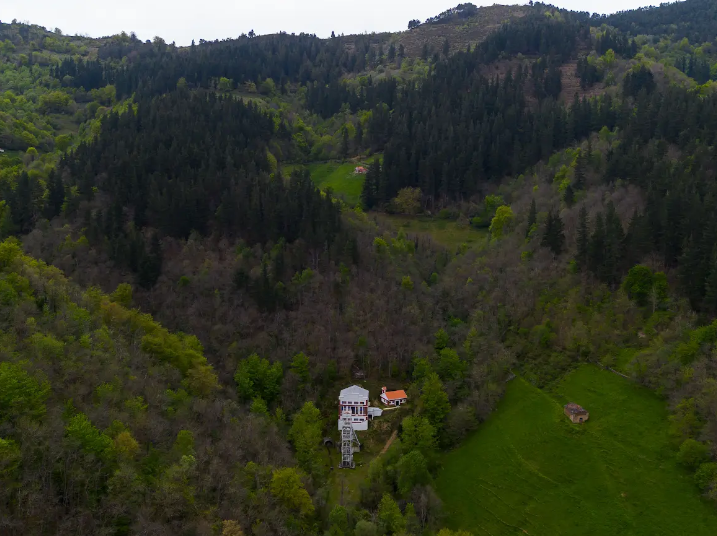
Further south, in Aller, the San Fernando Pit appears hidden among the vegetation like a relic lost in the forest. The rusted iron, the structures, and the encroaching nature build a beauty that is difficult to explain (and even more difficult to forget).
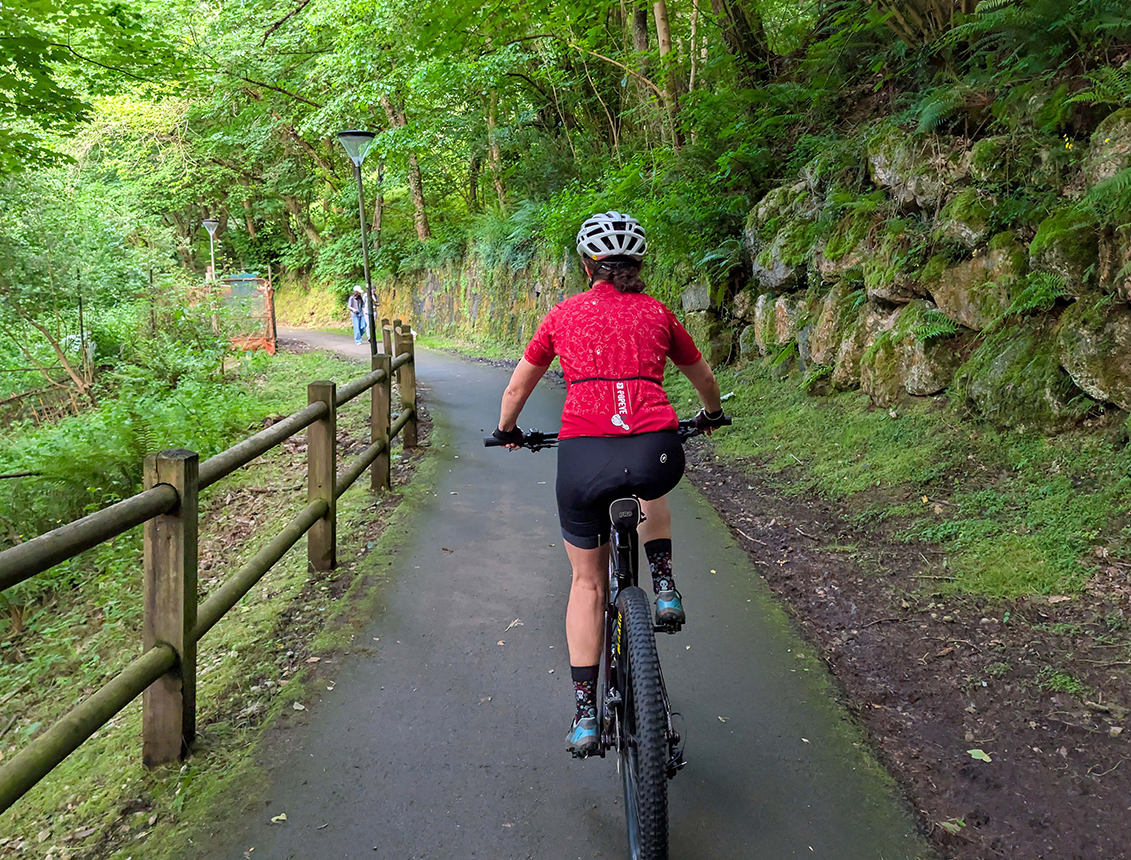
The routes, trails, and paths of the Central Mountain are traveled slowly. Every pit, every tunnel, and every headframe is part of a collective history that remains alive. What was once the industrial engine of a region is today transformed into a cultural journey that connects heritage, hiking, and memory.
Here, now, the old mines no longer extract coal… they extract stories.
- Compartir


Más del Blog
-
Gastrollar: the program that transforms ‘coal cuisine’ into a living experience
06 July, 2026 - wp6tems
- Deportes
- Naturaleza
-
The Olympus of cycling: the physical legend of the Angliru
06 July, 2026 - wp6tems
- Deportes
- Naturaleza