


Ribera de Arriba and the Caudal river: a thread of water and life
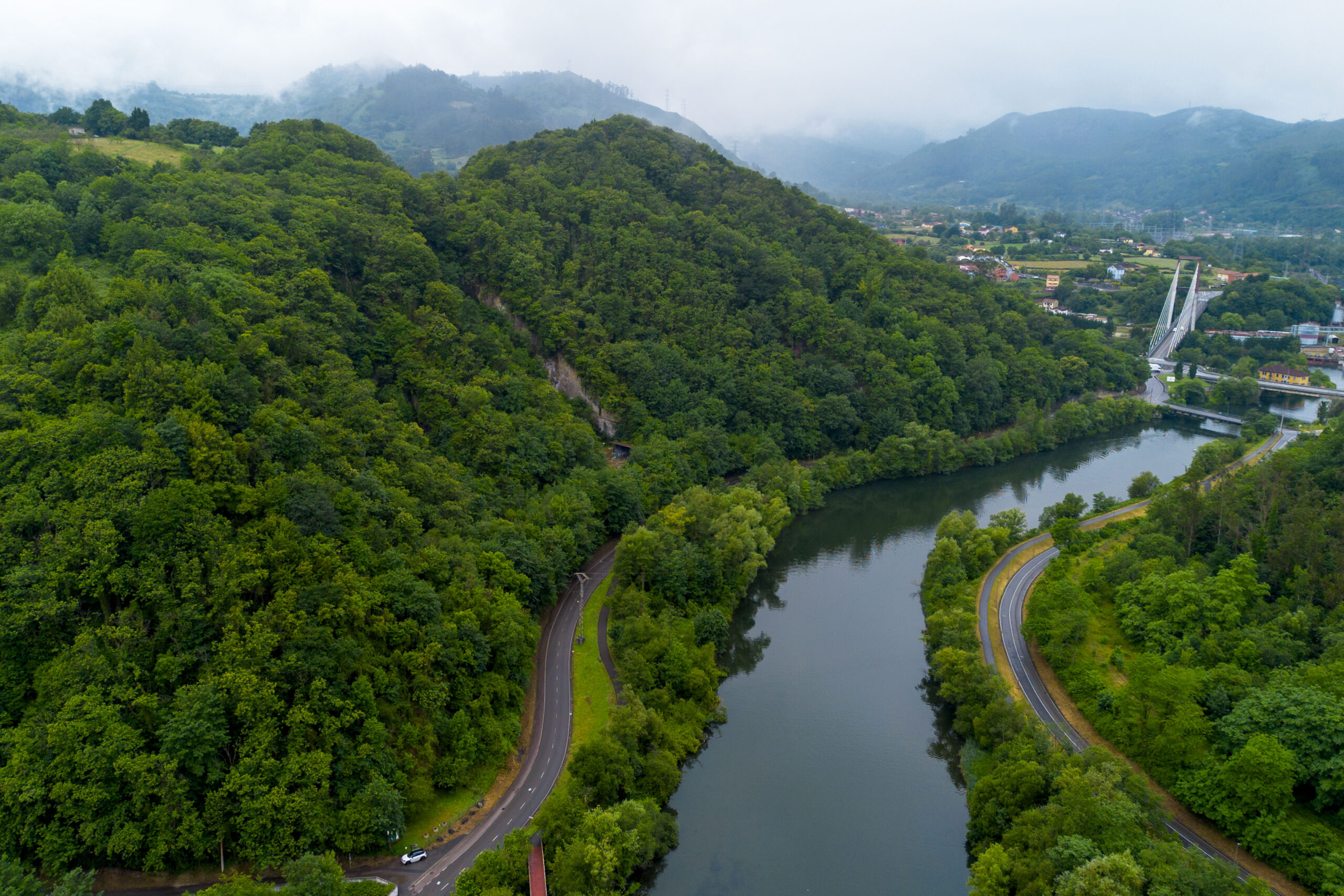
There are currents that divide territories and others that, simply, unite them. The Caudal River is not a simple geographical feature on the map of the Asturian Central Mountain: it is the great narrator of its history, a silent witness that structures the landscape and connects local life with its purest surroundings.
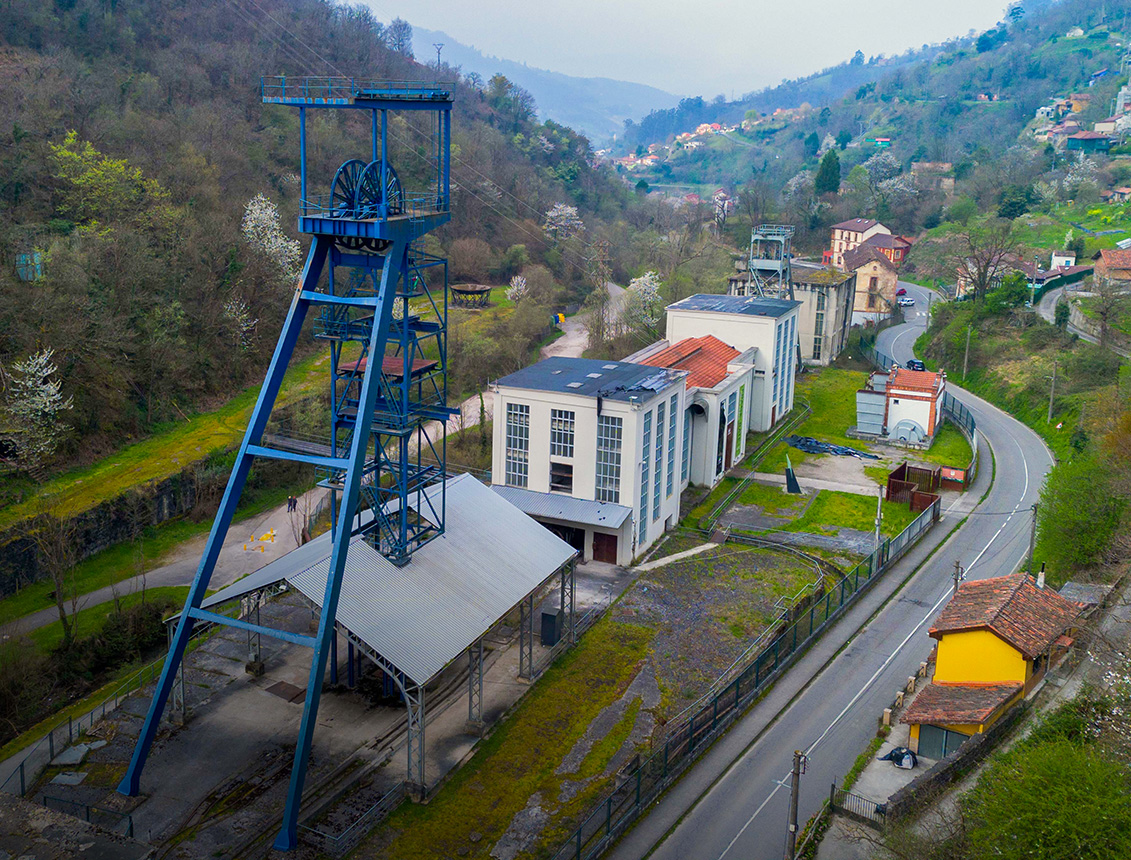
It is born with force in the council of Mieres, the result of the union of the Lena and Aller rivers, and runs with pride, drawing the soul of one of the great mining basins of Asturias. But upon entering the council of Ribera de Arriba, after leaving behind pits, headframes, and coal stories, the water seems to slow its course. In this final stretch of its journey of just over 20 kilometers, the Caudal widens and calms down, inviting the traveler to pace their steps with the flow of the current and to discover those invisible corners that are left out of the daily rush.
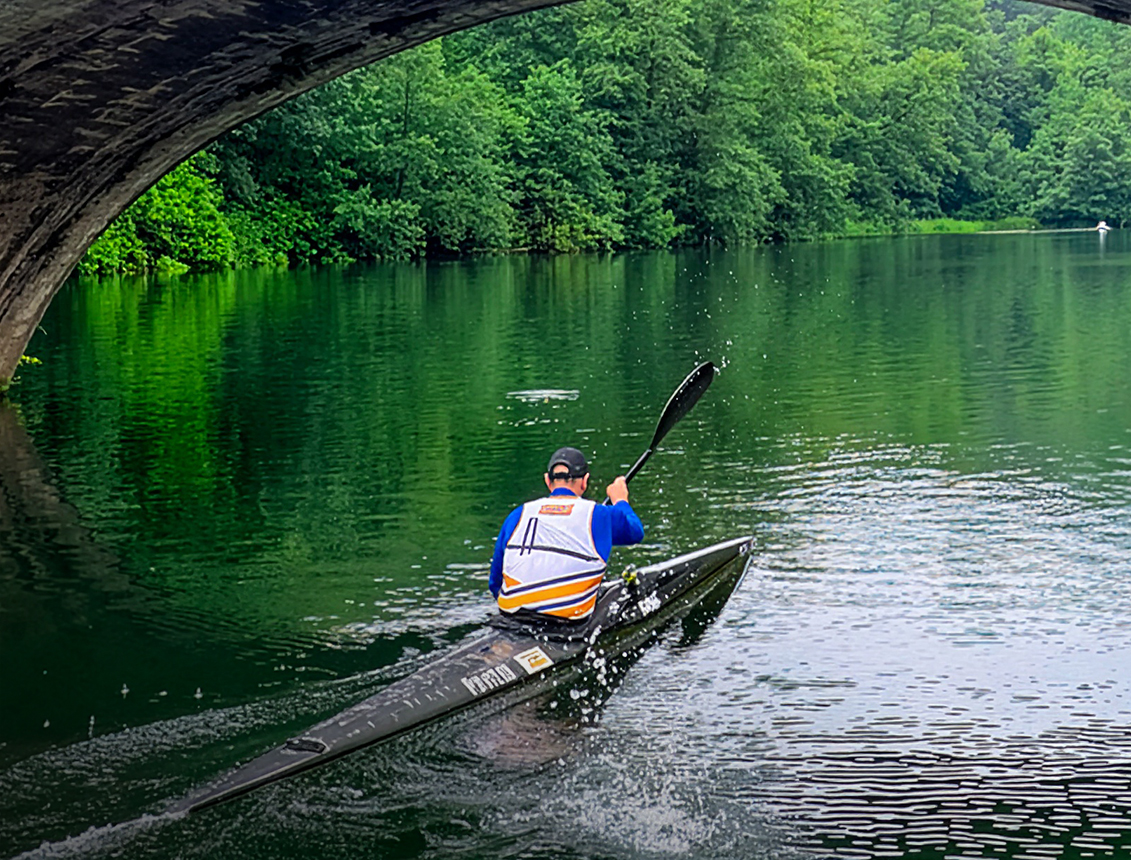
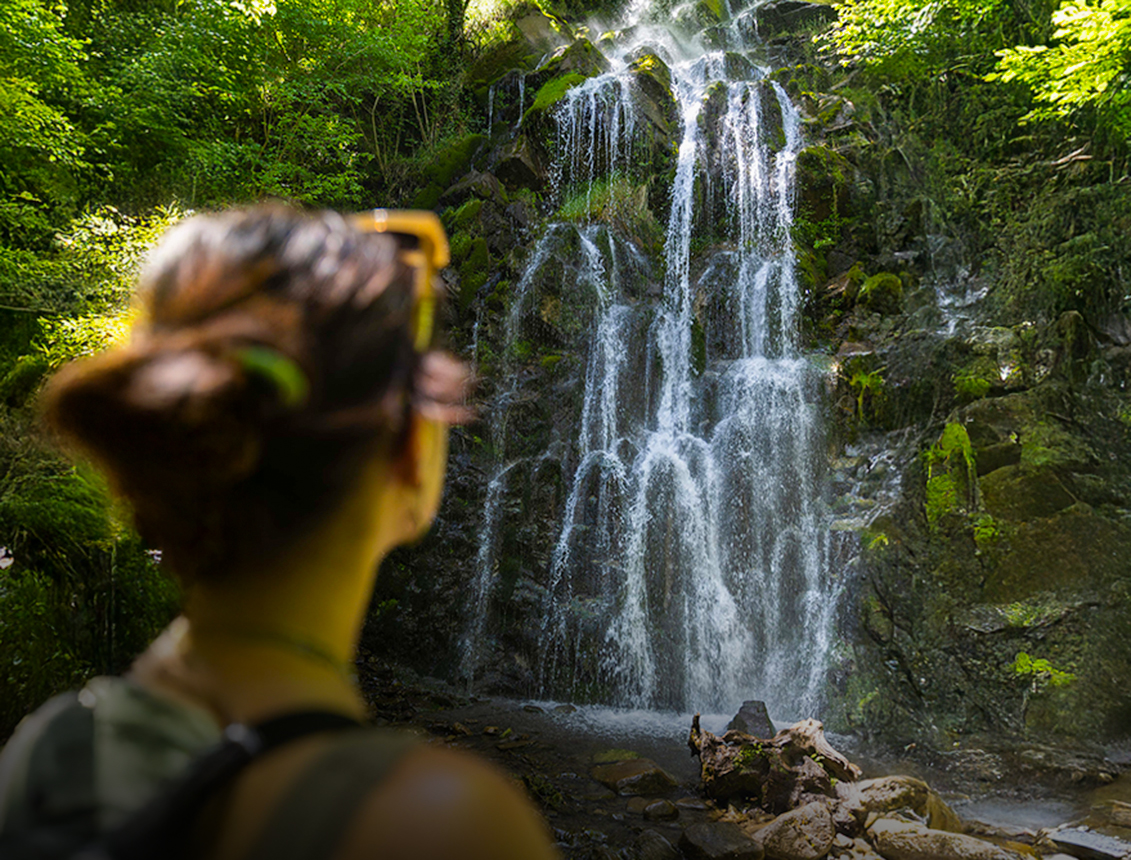
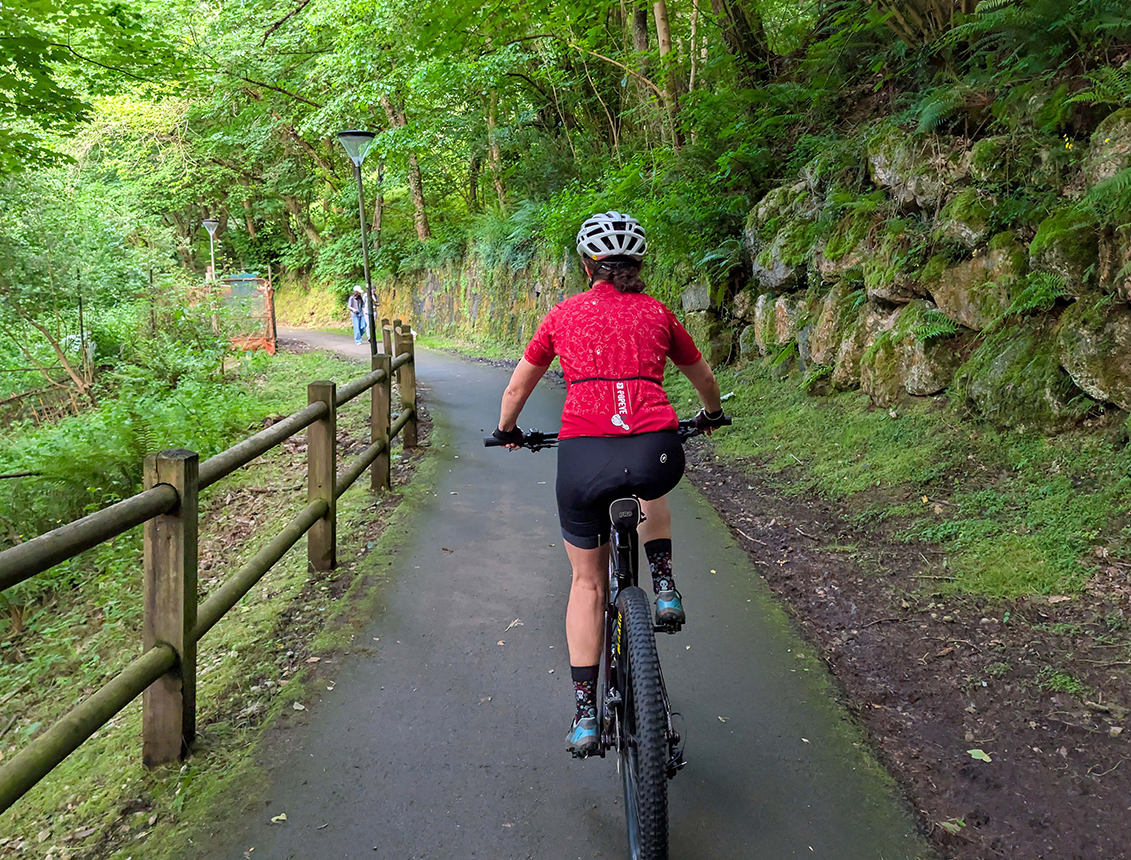
Following the fluvial thread of this council is to start an immersive journey. Here, the paths that escort the banks become green tunnels, where the constant murmur of the water silences the noise of the outside world. In this stretch of the river, nature is not contemplated from the distance of a viewpoint: it is walked, breathed, and felt in the freshness that rises from the riverbed.
It is a living space where grey herons graze on the shallow banks and the trace of the otter reminds us that the purity of these waters is a heritage guarded with care by the local people. Each step along this natural corridor reveals a Ribera de Arriba in which the river has shaped not only the rock and the fertile meadows, but also the character of its villages.
The heartbeat that travels with the current
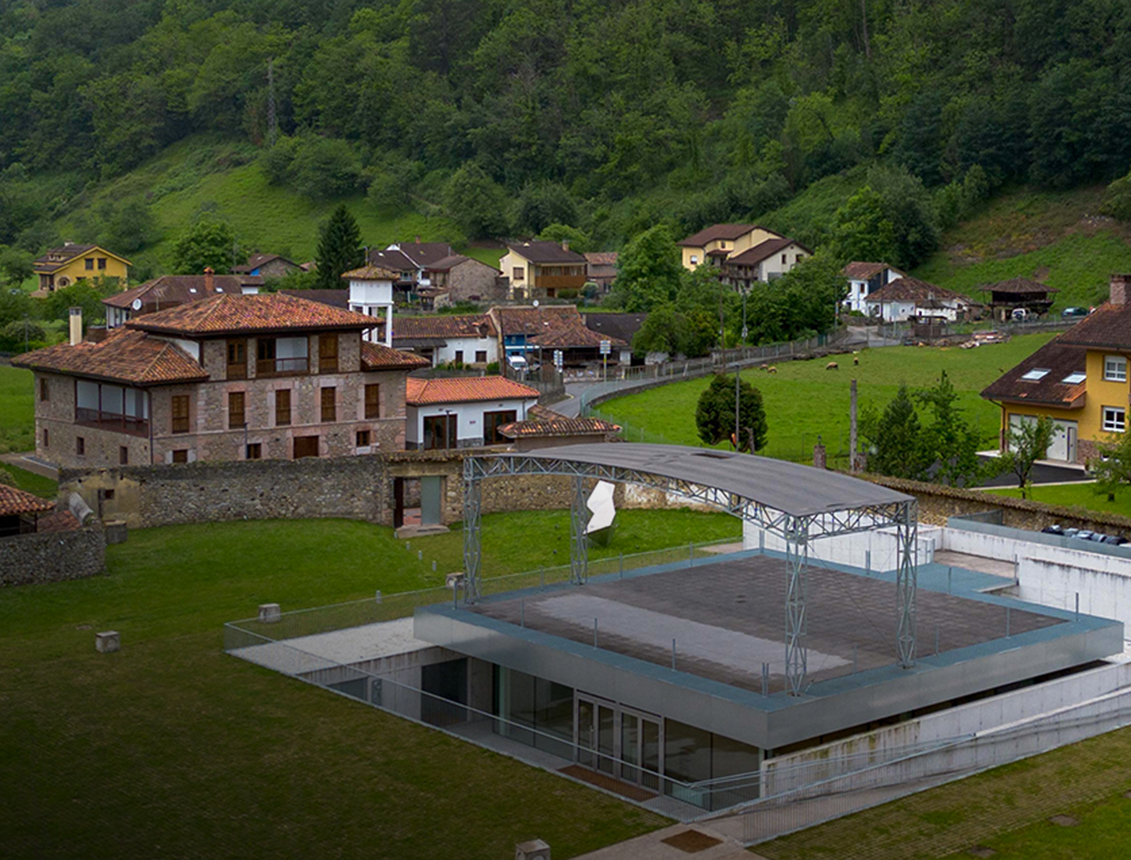
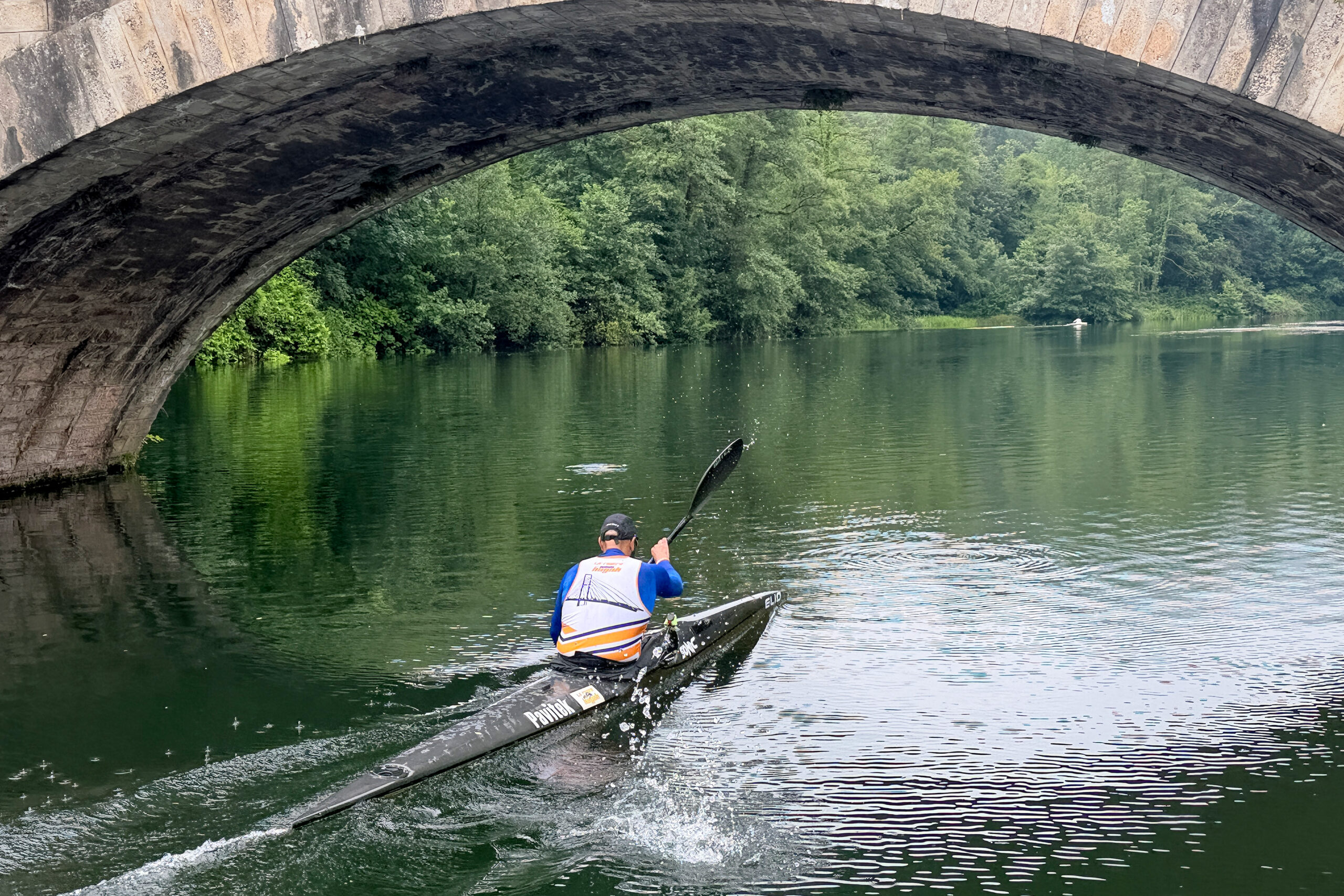
The true magic of this itinerary lies in how the Caudal River intertwines the wild landscape with the valuable cultural legacy and the network of paths of the council in a natural way. By looking away from the current for an instant, the path guides you almost spontaneously toward jewels of traditional architecture such as Bueño.
It is in these villages, located a few meters from the fluvial murmur, that one understands that water has historically been the engine of community life, watering the orchards and feeding the centennial granaries (hórreos and paneras) that today stand as living monuments of rural engineering. In fact, from this same environment, the route that connects Bueño with Las Caldas and El Caleyu starts, joining the riverside ethnographic heritage with the paths that run parallel to the fluvial veins of the area.
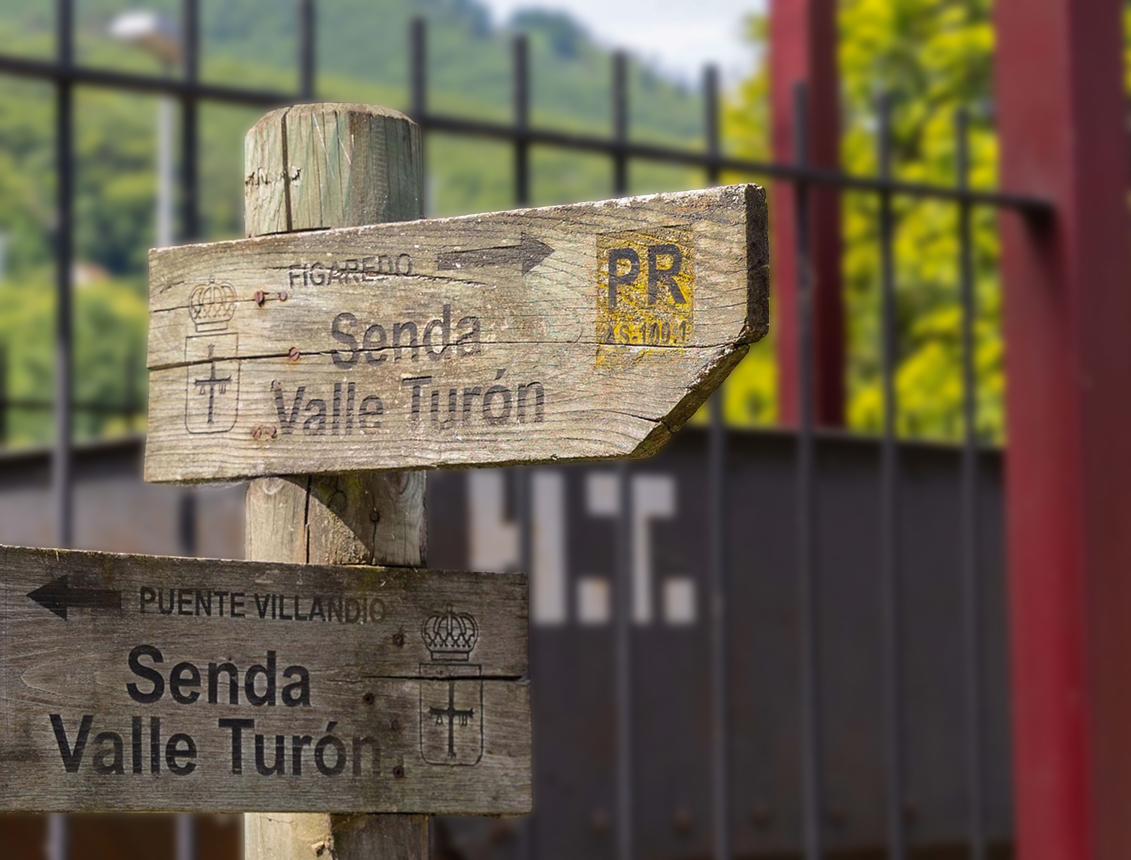
Walking step by step along this network of paths next to the water allows you to discover small corners that generic maps usually overlook. The lower valley offers ideal options for contemplative hiking, such as the circular route that links Palomar, Les Segaes, and Soto de Ribera, a flat and idyllic path that embraces the meanders of the riverbed and allows you to witness up close how local life remains linked to the riverside.
This vocation as a crossroads is not new: the river itself has been, since time immemorial, the natural corridor that flanks the historic Vía de la Plata route, the Jacobean and commercial axis that uses this same gorge to make its way firmly toward the heart of Asturias.
The fluvial thread of Ribera de Arriba acts as a natural border and, at the same time, as a stage for a spectacular geographical denouement: the union of the Caudal and Nalón rivers. It is here, at the height of Soto de Ribera, where the Caudal delivers its waters in a serene embrace that marks the end of its journey and the beginning of an even wider valley.
Perhaps the greatest charm of getting lost along these invisible paths is that moment when the path narrows, the vegetation opens up, and you find yourself alone with the river, understanding that the best-kept secret of the Central Mountain does not need great spectacles to move you: the sound of the water making its way between the roots and the stones of the path is enough.
- Compartir


Más del Blog