


- Home
- What to do?
- Romanesque Church of San Antolín de Sotiello
Romanesque Church of San Antolín de Sotiello
- Cultural Heritage
- Lena
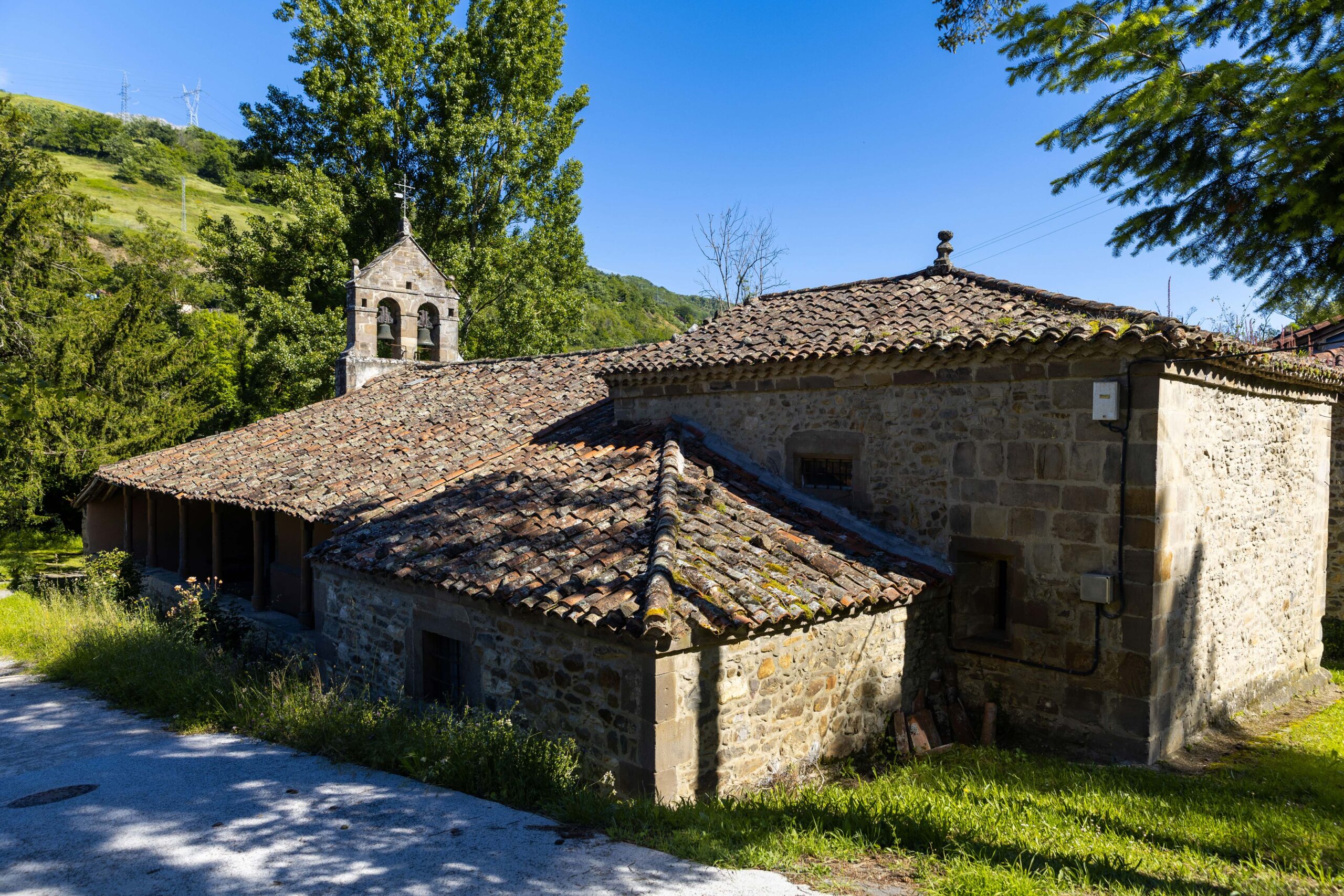
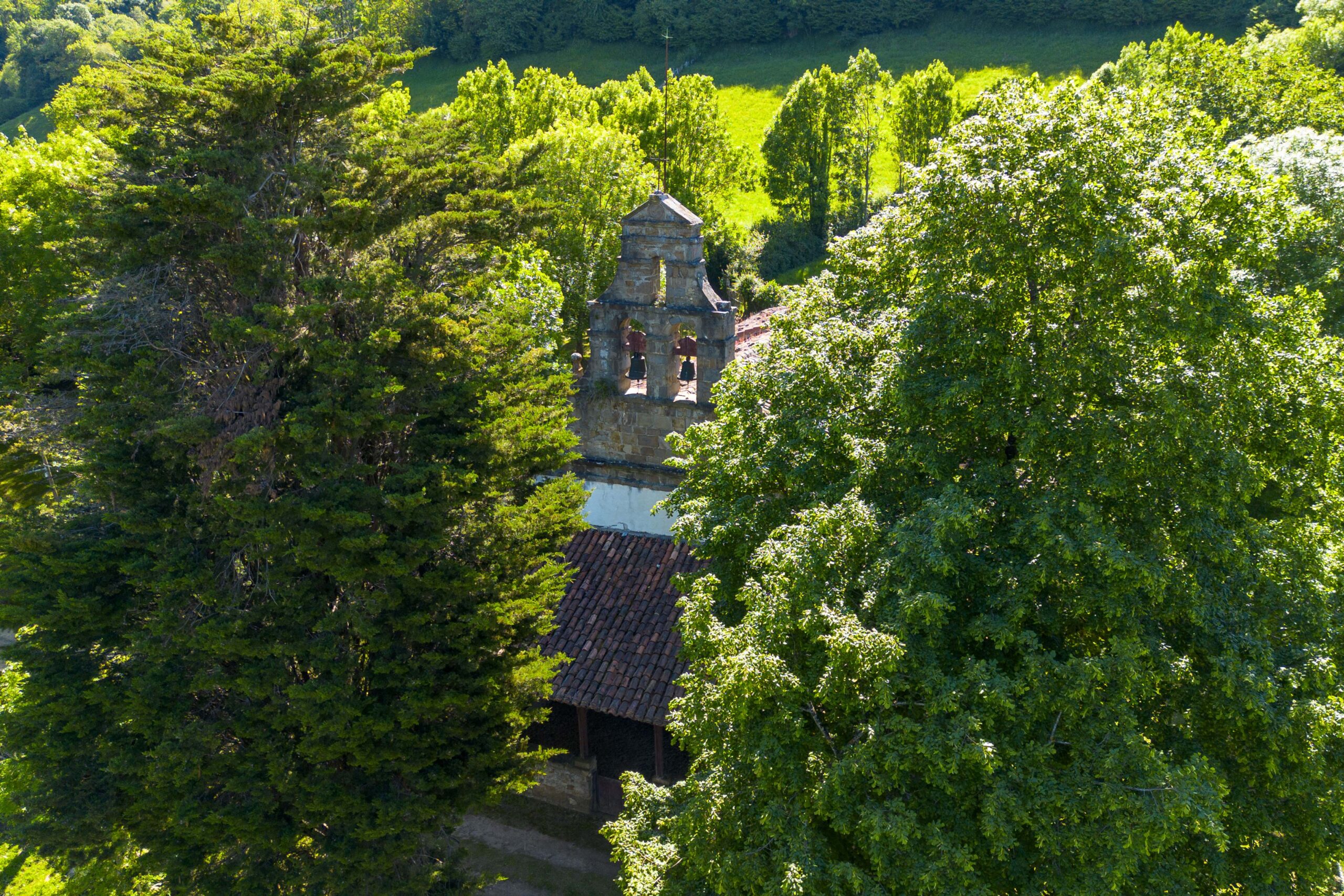
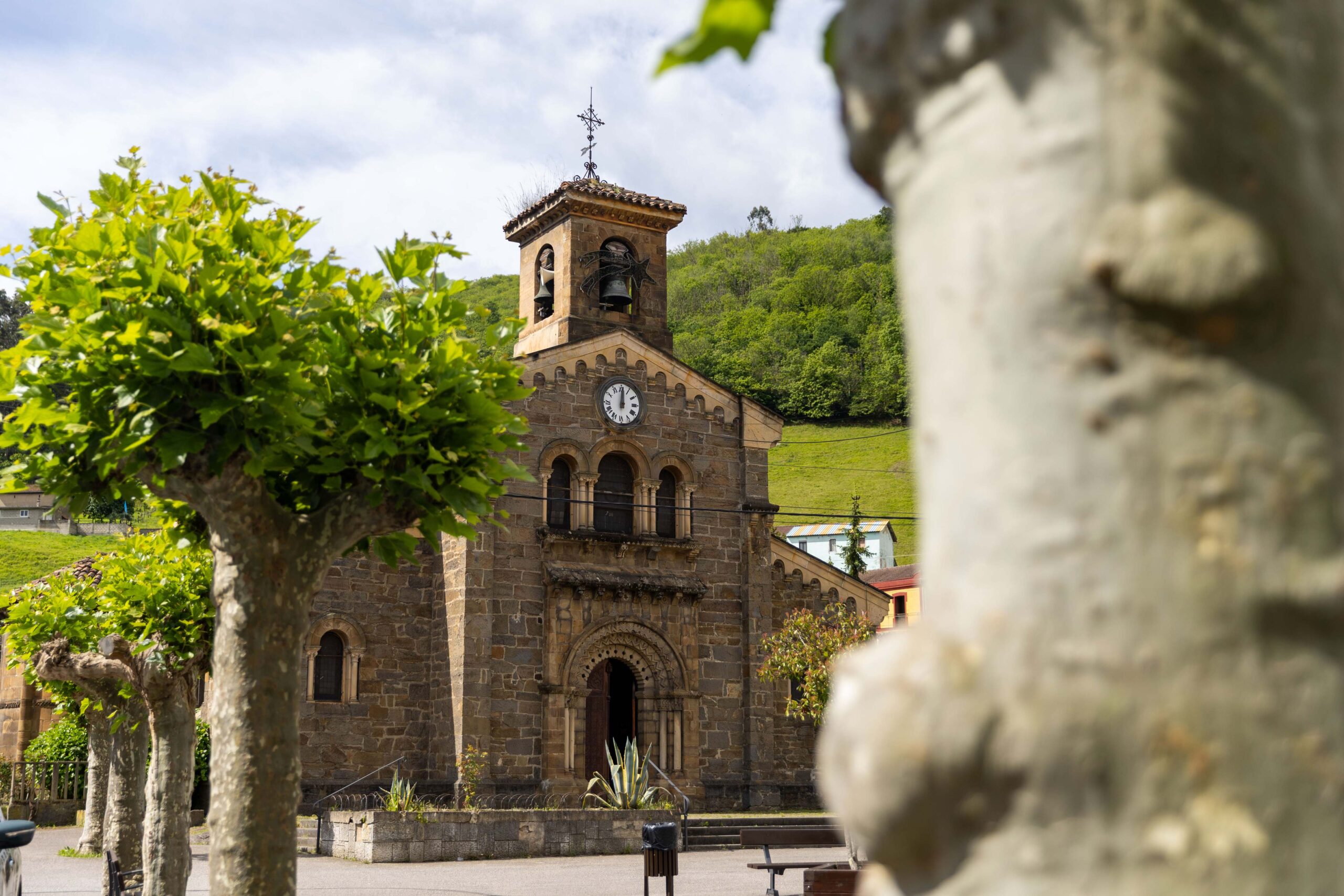
The church of San Antolín de Sotiello, in Lena, preserves a detail that makes it well worth a closer look: its Romanesque entrance portico. It is not a site designed for grand spectacles or massive crowds, but rather for those who enjoy discovering rural heritage at a leisurely pace—appreciating the stonework, the proportions, and the way an ancient building remains an integral part of the everyday landscape.
The true value of San Antolín lies in this intimate scale. Its entrance speaks of a religious architecture rooted in small communities and local paths—a style of building designed to endure, to serve, and to accompany the life of the village. In places like this, the Romanesque style does not appear as an isolated artifact, but rather as part of a shared history connecting neighbors, the land, and memory.
A visit to San Antolín de Sotiello offers insight into another facet of the Central Mountains: a world of modest sanctuaries, sculptural details, and churches that have withstood the passage of centuries without losing their connection to the surrounding landscape. It is a heritage that does not demand attention, yet gains immense value when viewed up close.
Información de interés
Iglesia de San Antolín, Sotiello, 33637 Lena, Asturias
Actividades relacionadas
-
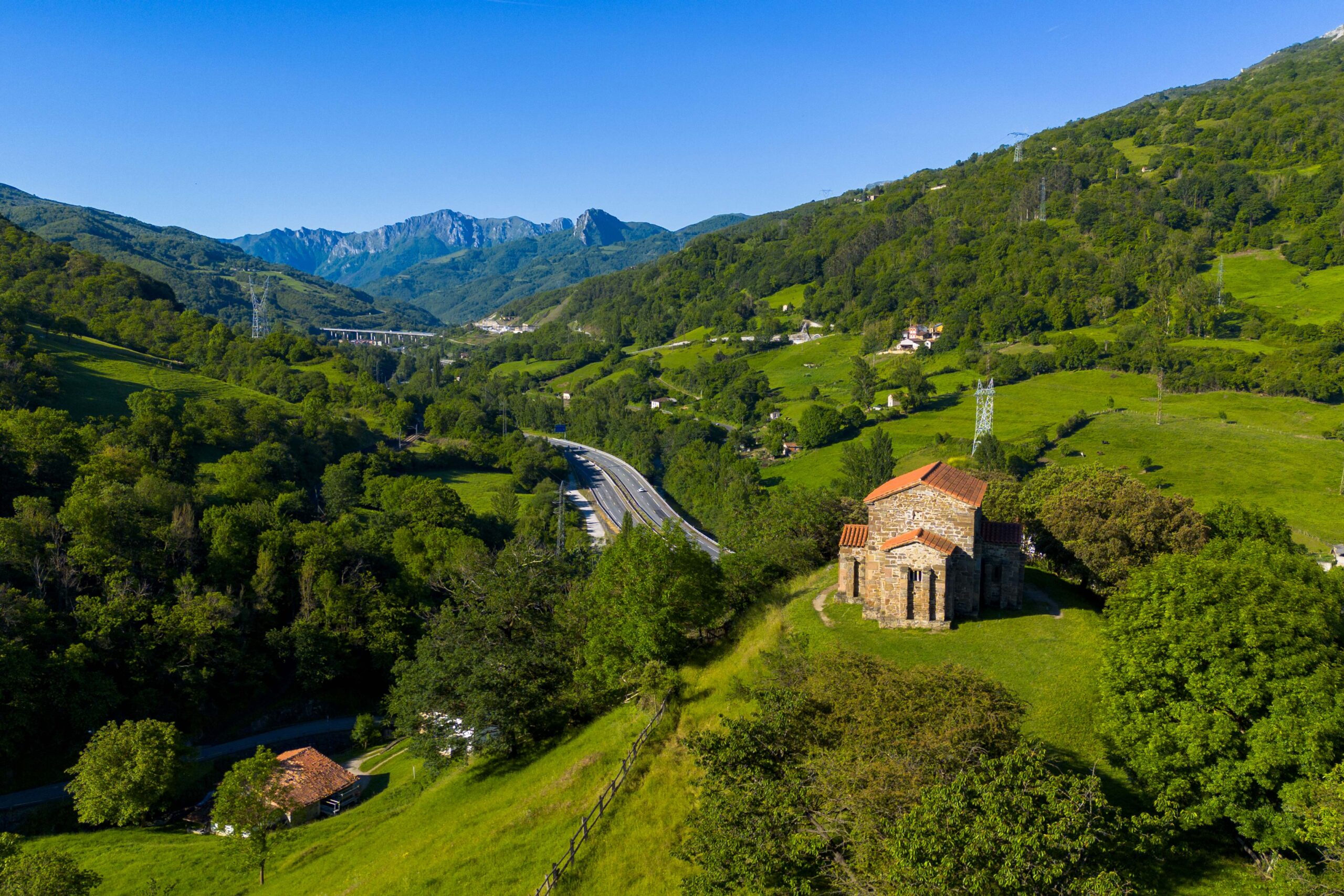
Santa Cristina de Lena and Pre-Romanesque Didactic Center
- Cultural Heritage
- Lena
-
Church of Santolaya de Uxo
- Cultural Heritage
- Mieres
-
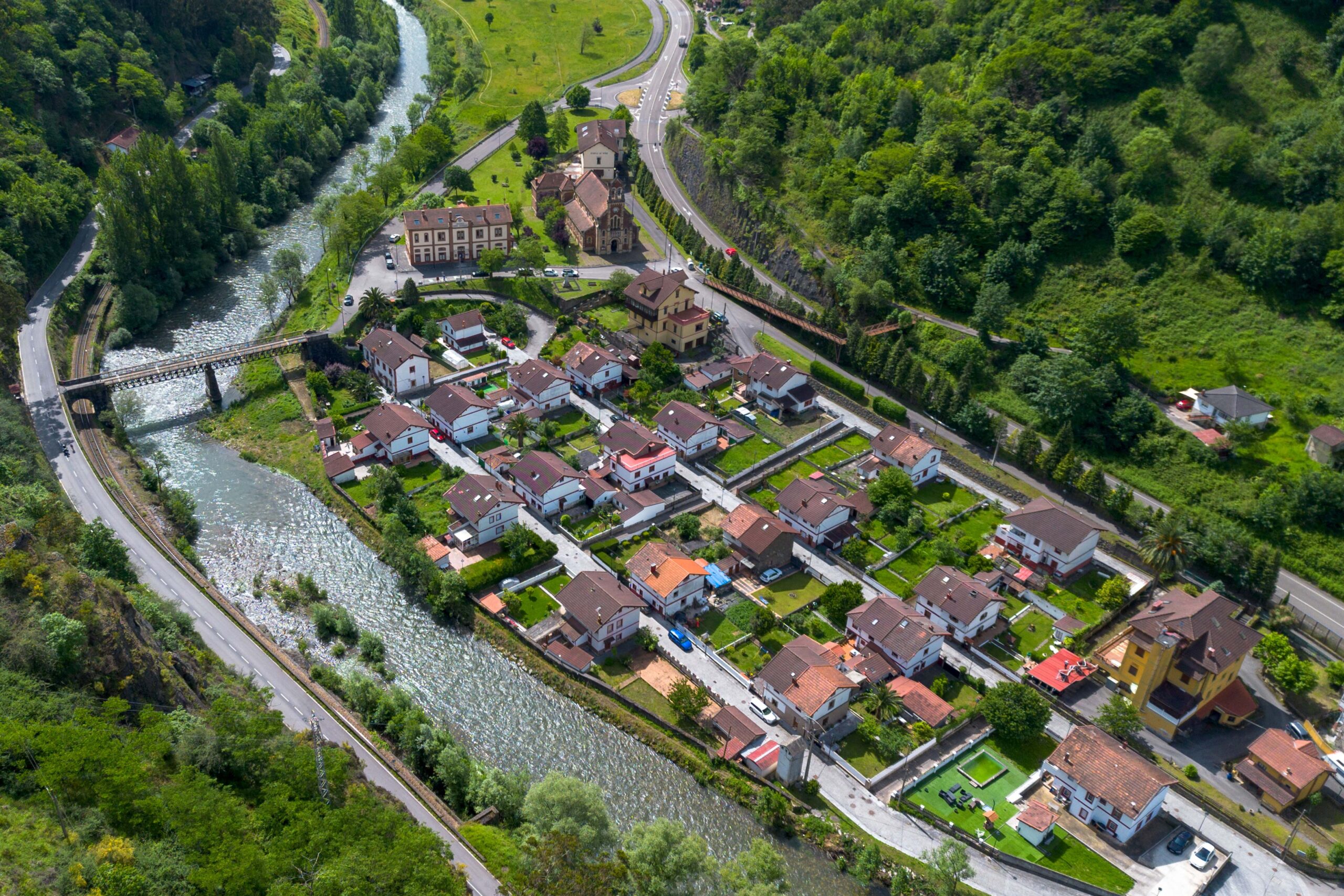
Bustiello Mining Village
- Industrial Heritage
- Places to visit and museums
- Mieres