



The Olympus of the Gods
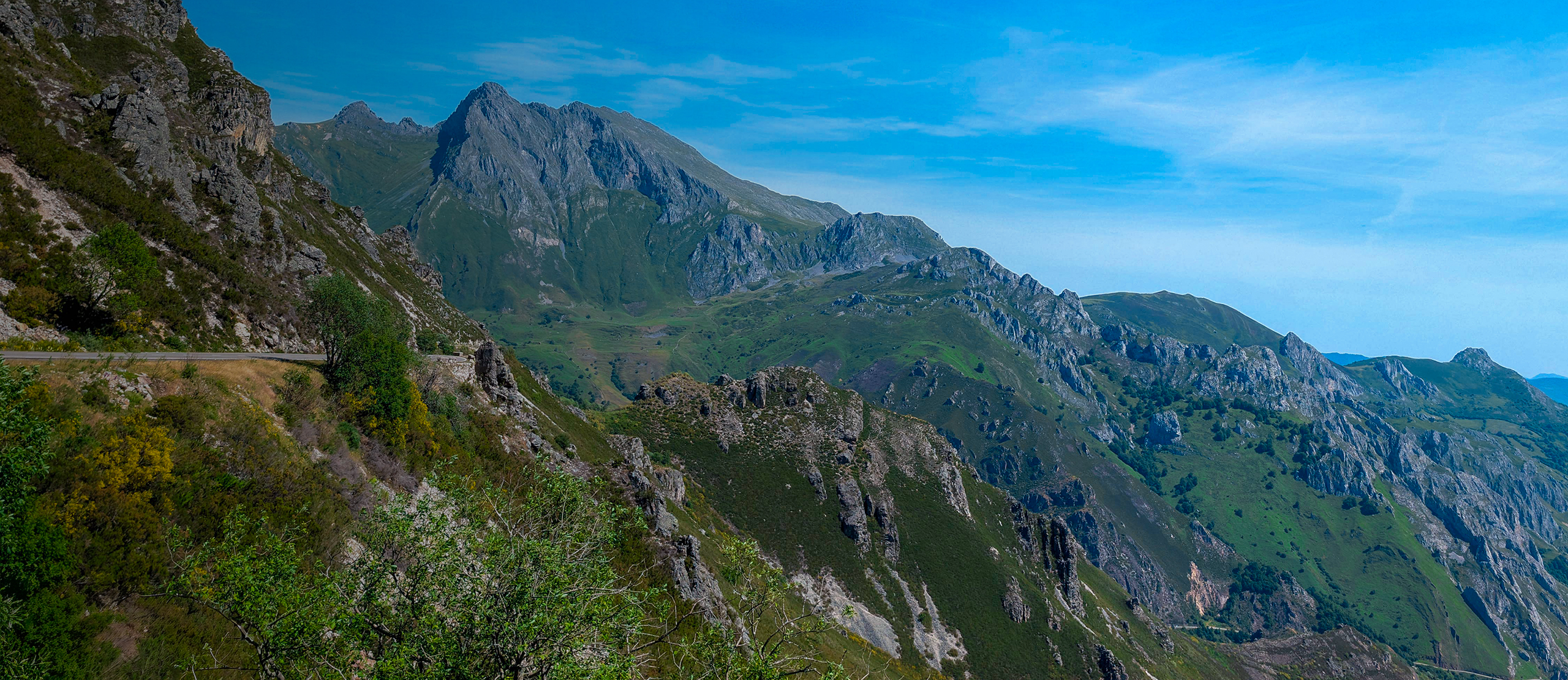
The Montaña Central county of Asturias is one of those places best understood by exploring them rather than having them explained. Situated in the south-central part of the Principality – between the Asturian central area and the Cantabrian Mountains – it encompasses the municipalities of Aller, Lena, Mieres, Morcín, Riosa, and Ribera de Arriba. Its location has shaped its character: for centuries, it served as a gateway to Asturias from the Meseta, a transit point along historic routes, valleys, and mountain passes; today, it remains a county close to Oviedo, Gijón, and Avilés, yet one that offers an immediate sense of a true mountain landscape.
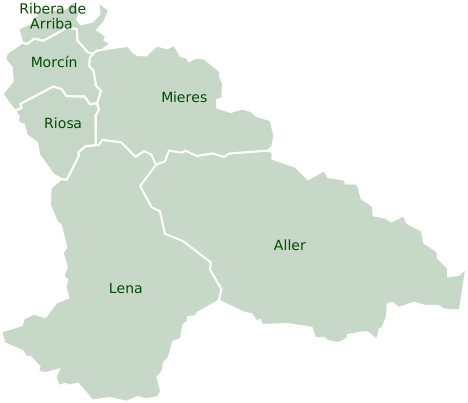
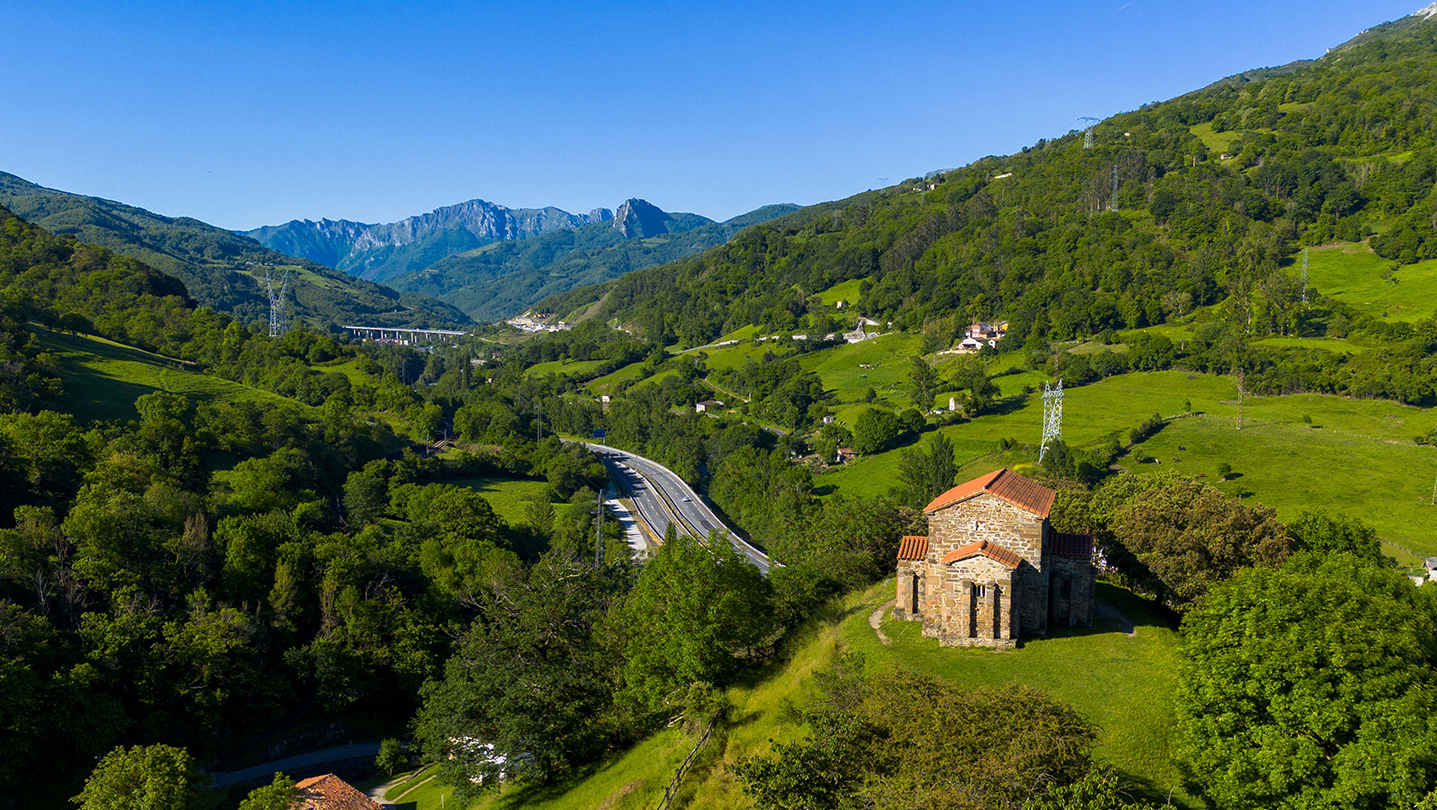
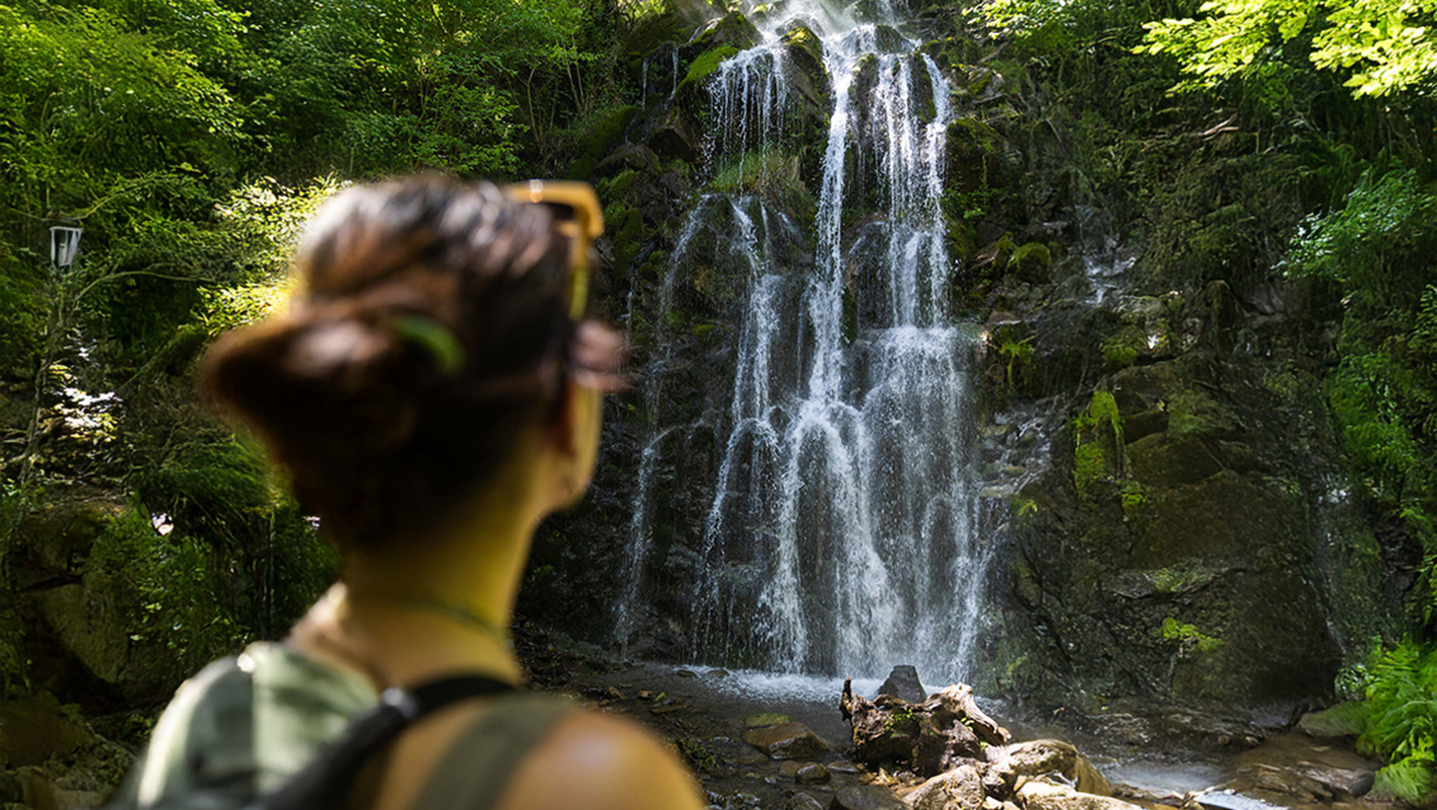
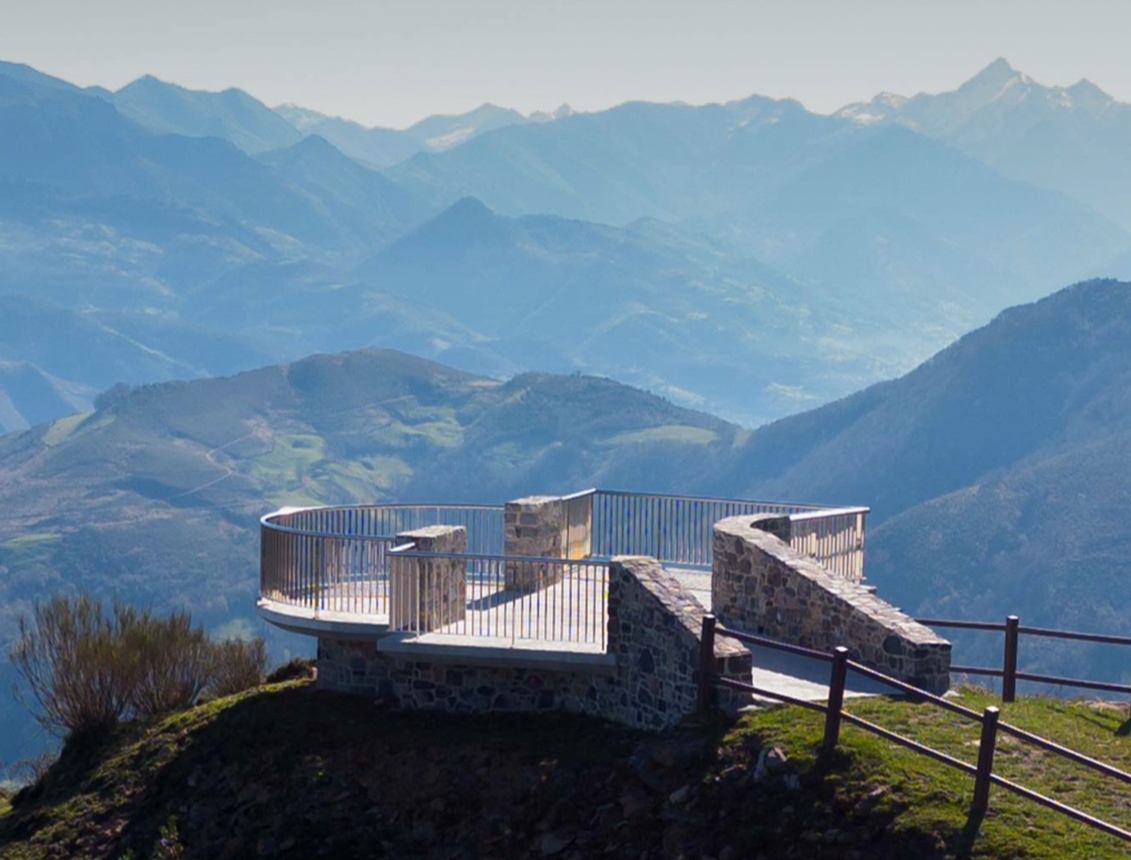
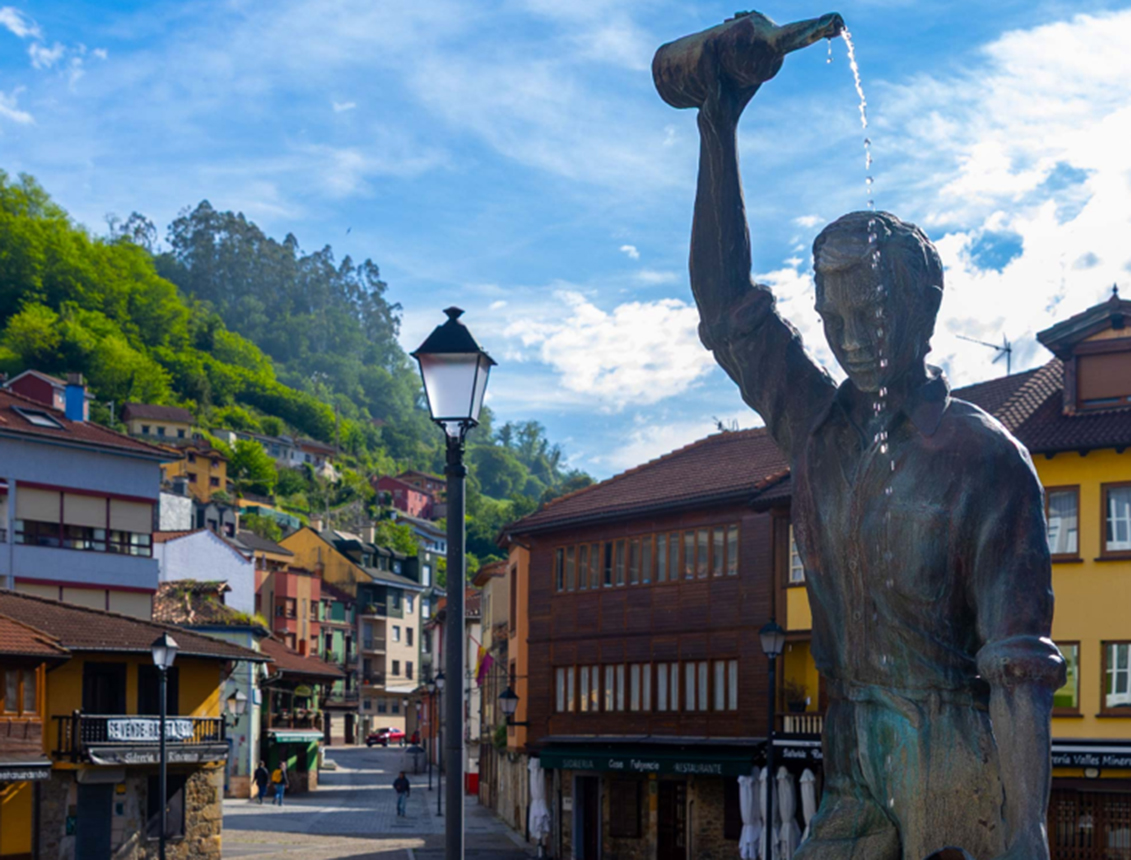
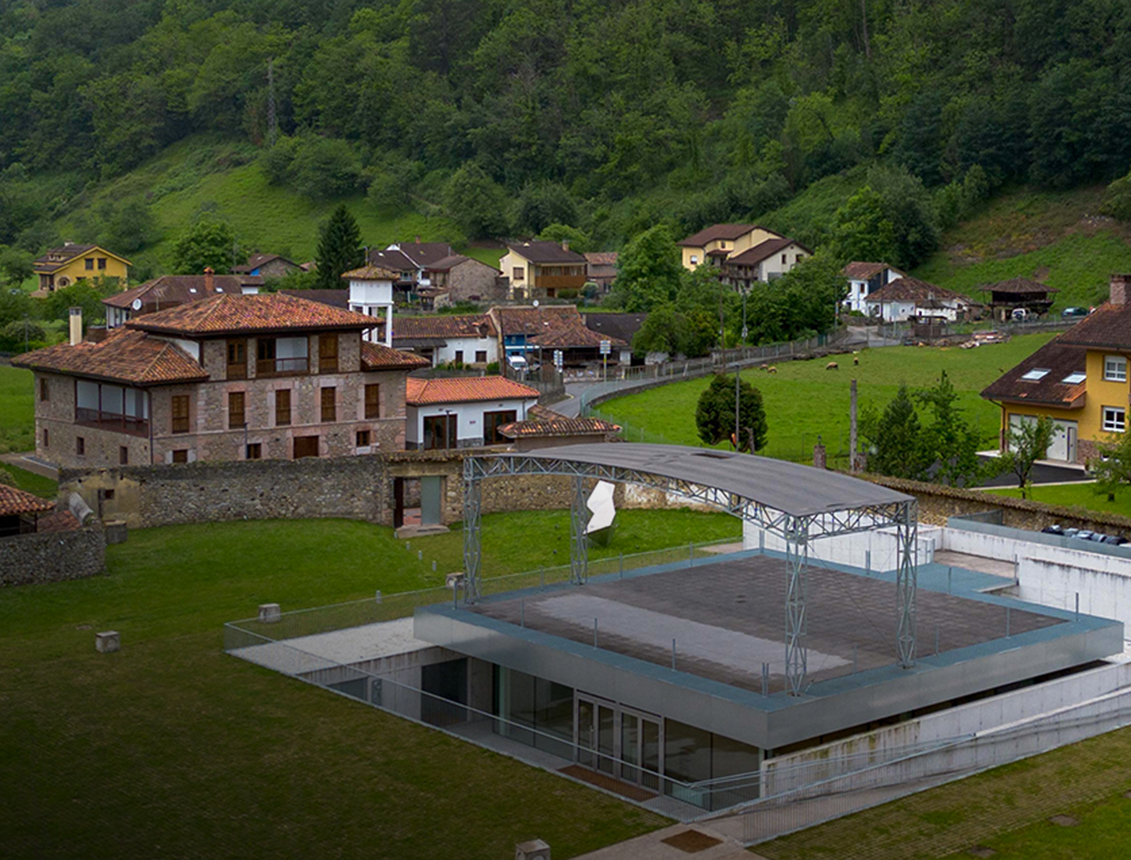
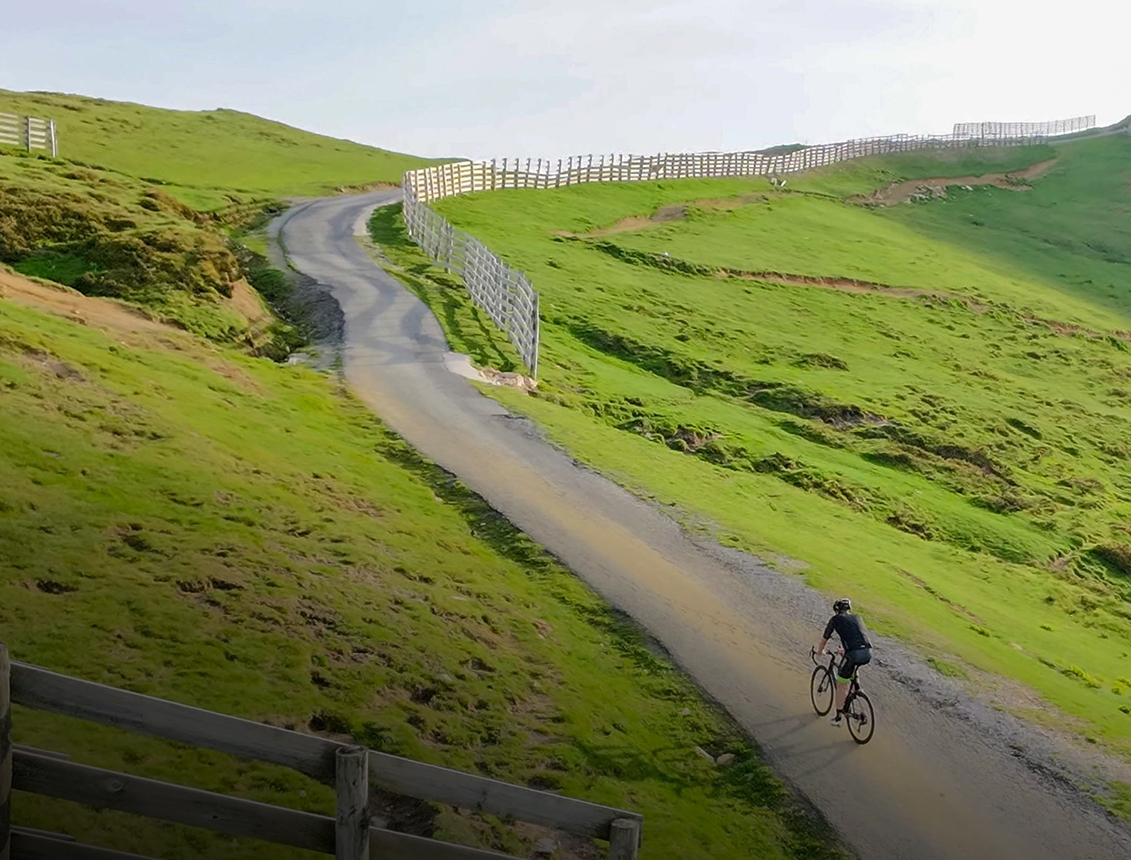
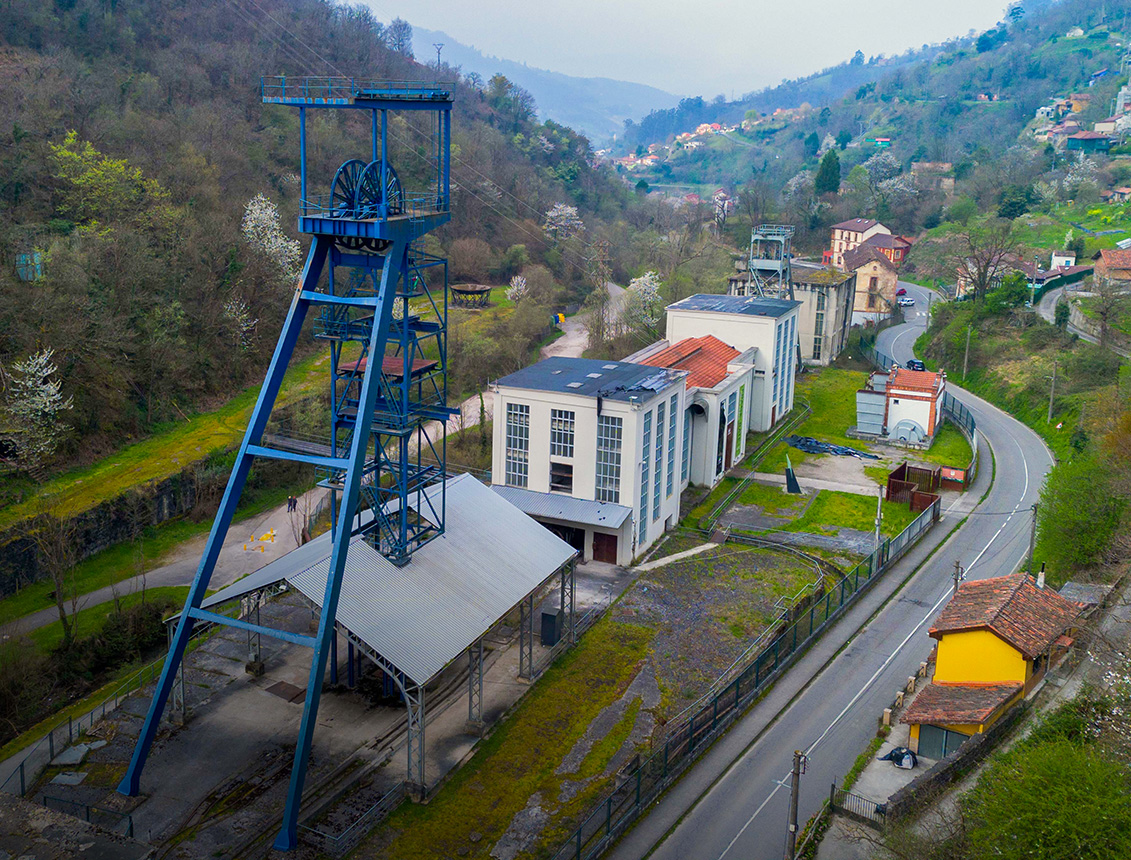
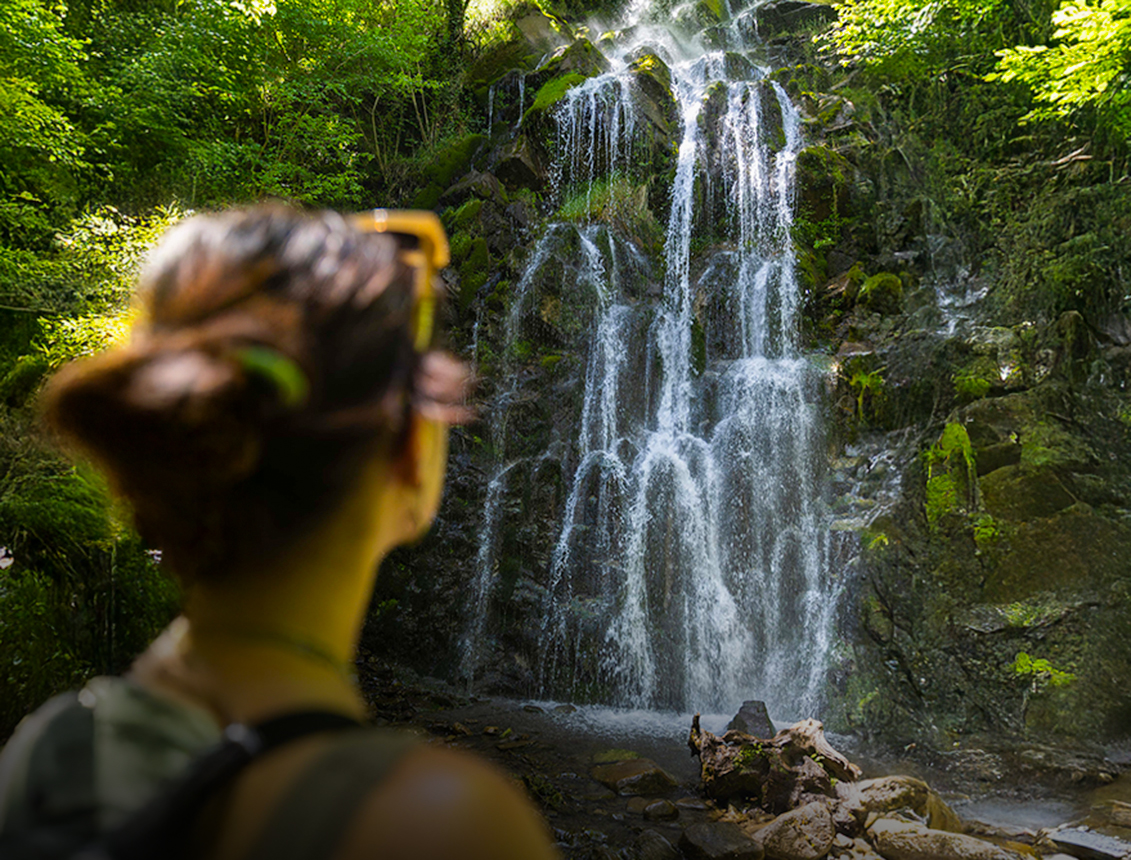
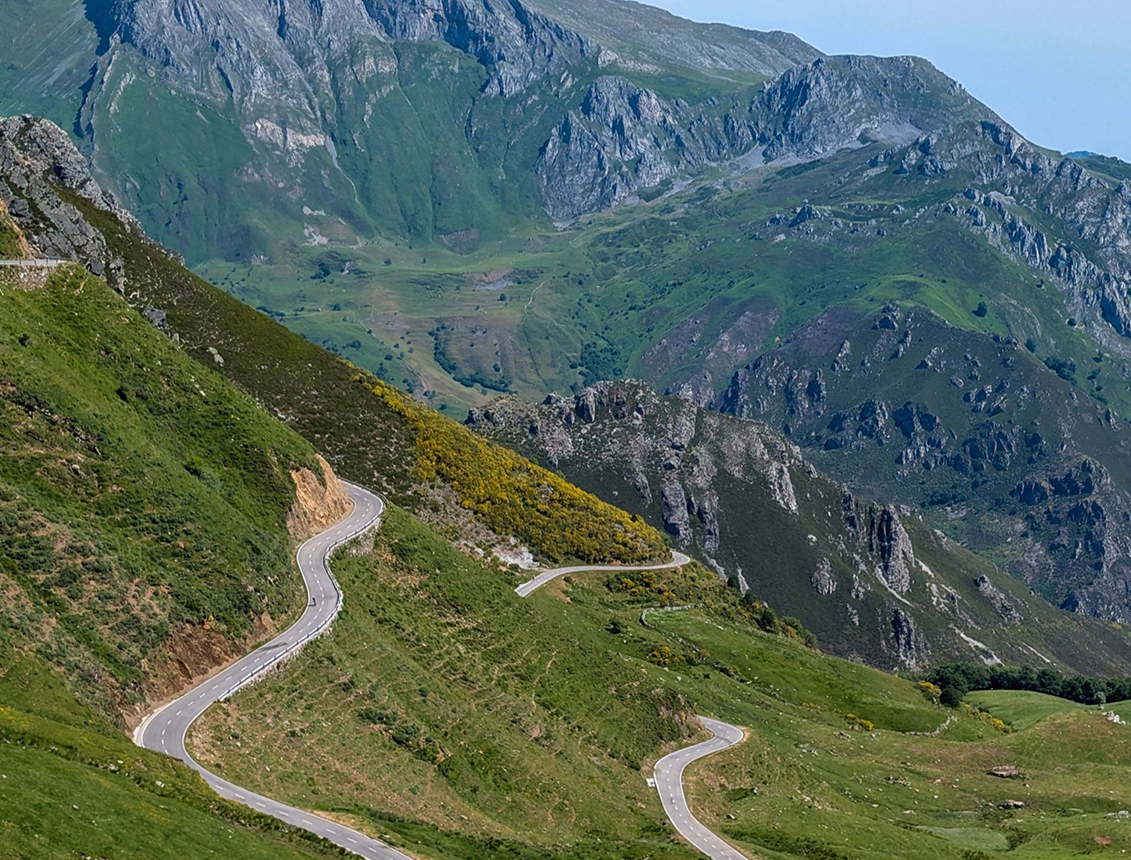
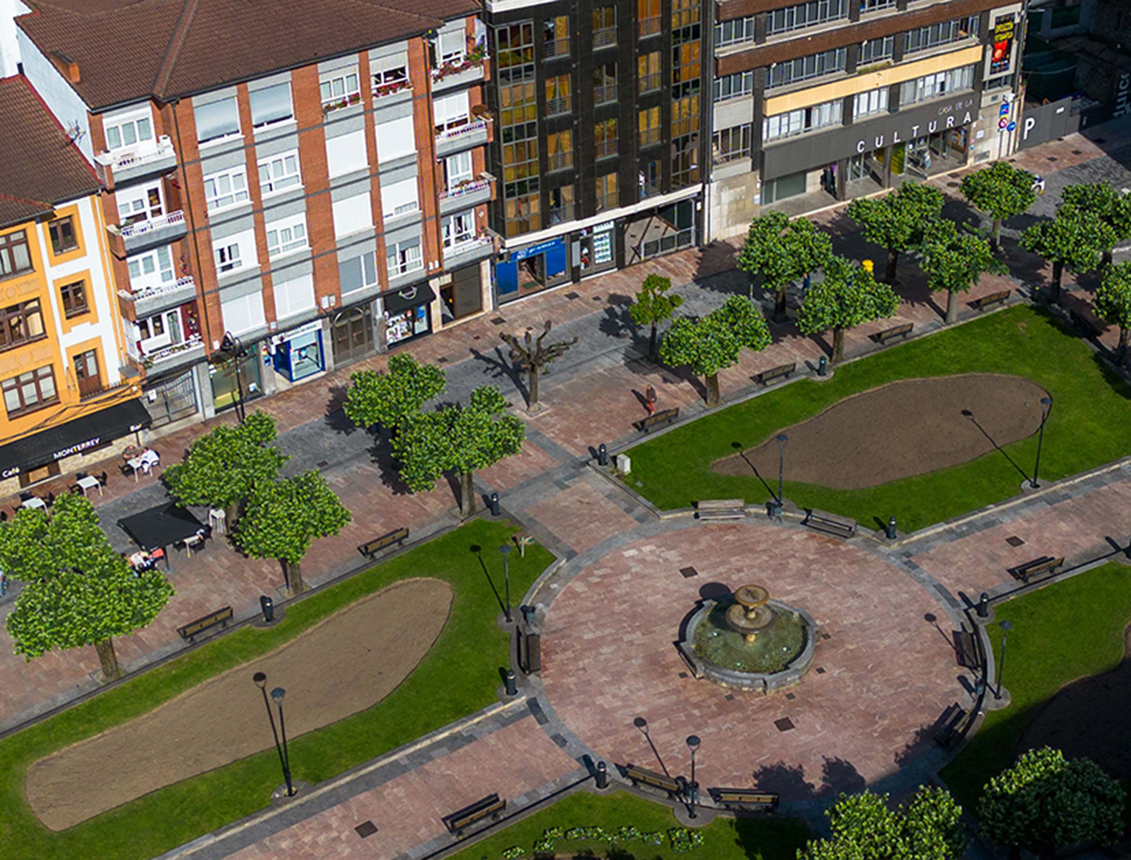
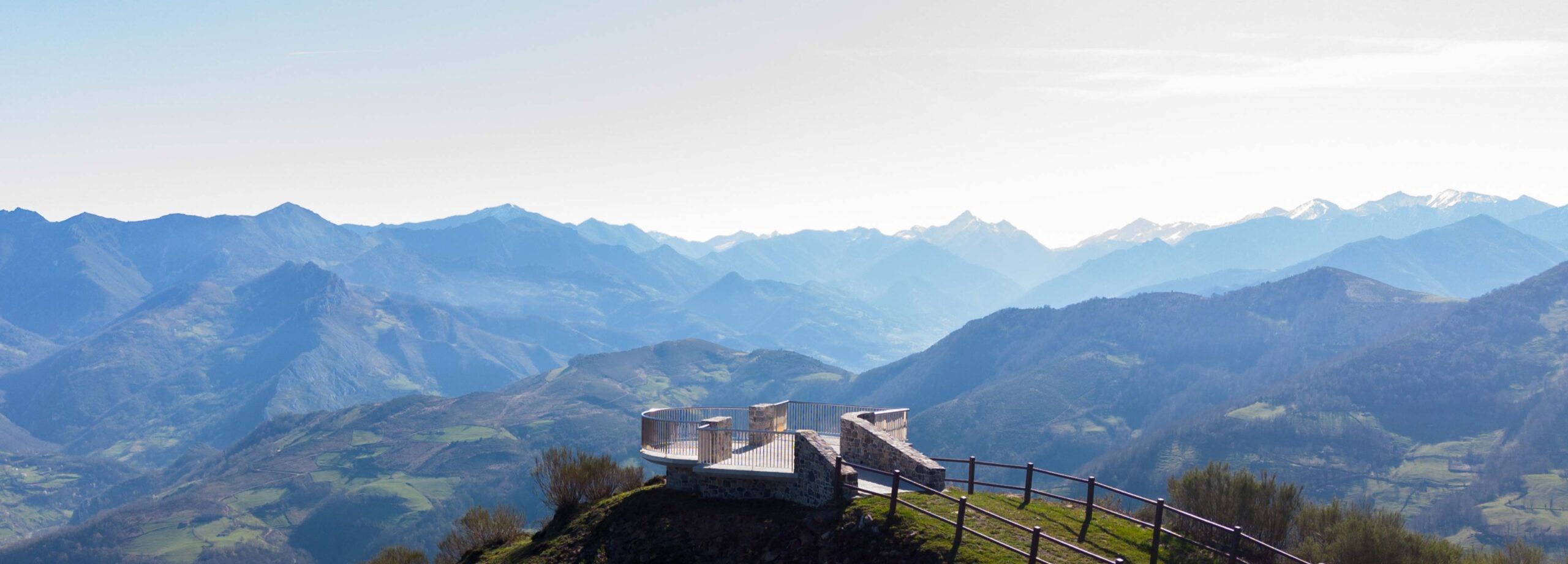
Here, vastly different landscapes coexist within just a few kilometers. In Lena, the area surrounding Pajares and Las Ubiñas links the county to high-altitude mountains, skiing, and the major historic gateways to Asturias. In Aller, valleys stretch toward Felechosa, San Isidro, Coto Bello, and the Foces de El Pino gorge, featuring forests, rivers, and mountain trails that reveal a lush, rugged, and vibrant natural world. Riosa and Morcín look out toward the Sierra del Aramo and Monsacro—two iconic landmarks tied to cycling, livestock farming, spirituality, and rural culture. Ribera de Arriba offers a quieter pace, with villages like Bueño/Güeñu, traditional granaries (hórreos and paneras), and a direct connection to the Nalón River. Mieres embodies the county’s urban and mining heart, defined by its neighborhoods, mine shafts, working-class heritage, and a local life that retains a strong, distinctive character.
The Montaña Central county is neither an empty wilderness nor a picture-perfect postcard. It is a territory that is inhabited, cultivated, and transformed—a place where the Las Ubiñas-La Mesa Natural Park (a Biosphere Reserve), the Mining Basins Protected Landscape, the Sierra del Aramo, river floodplains, and former industrial sites all form part of a unified landscape narrative. This blend is precisely what makes the county so distinctive: nature, mining, trails, villages, and heritage come together, with no need to separate the scenic beauty from the lived reality.
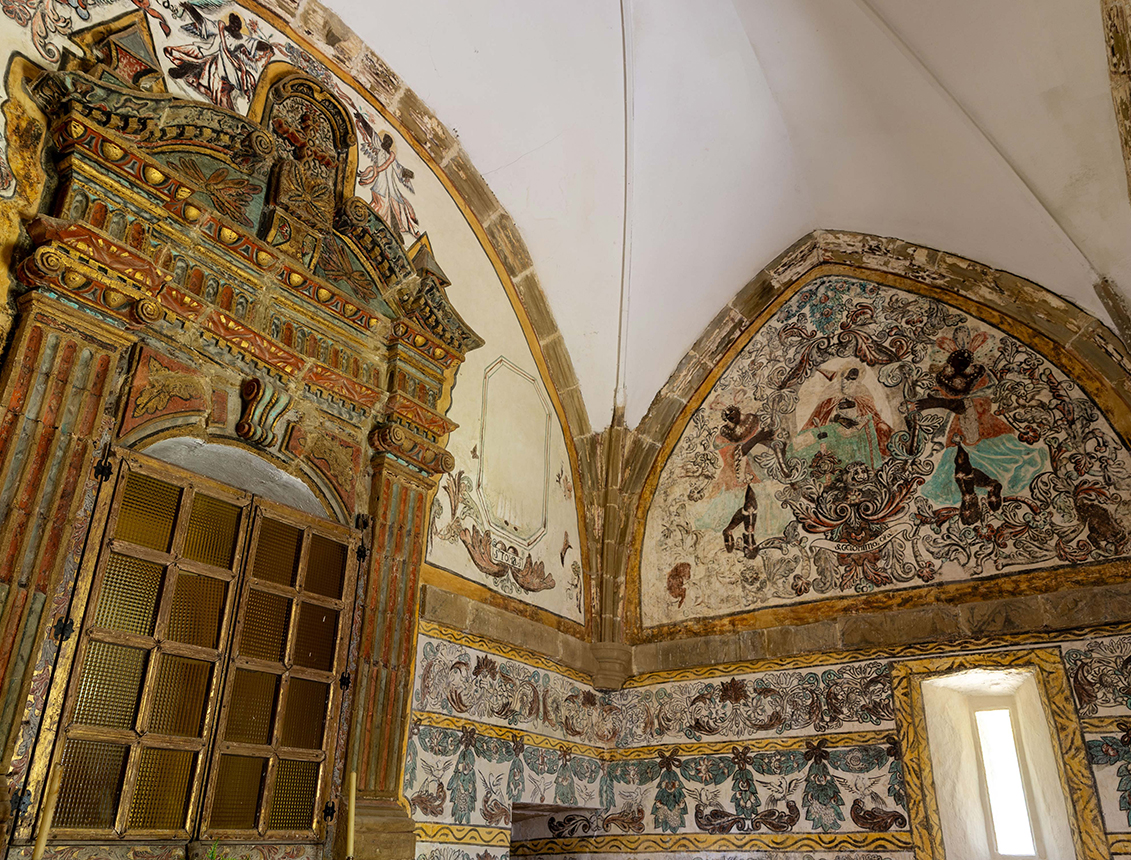
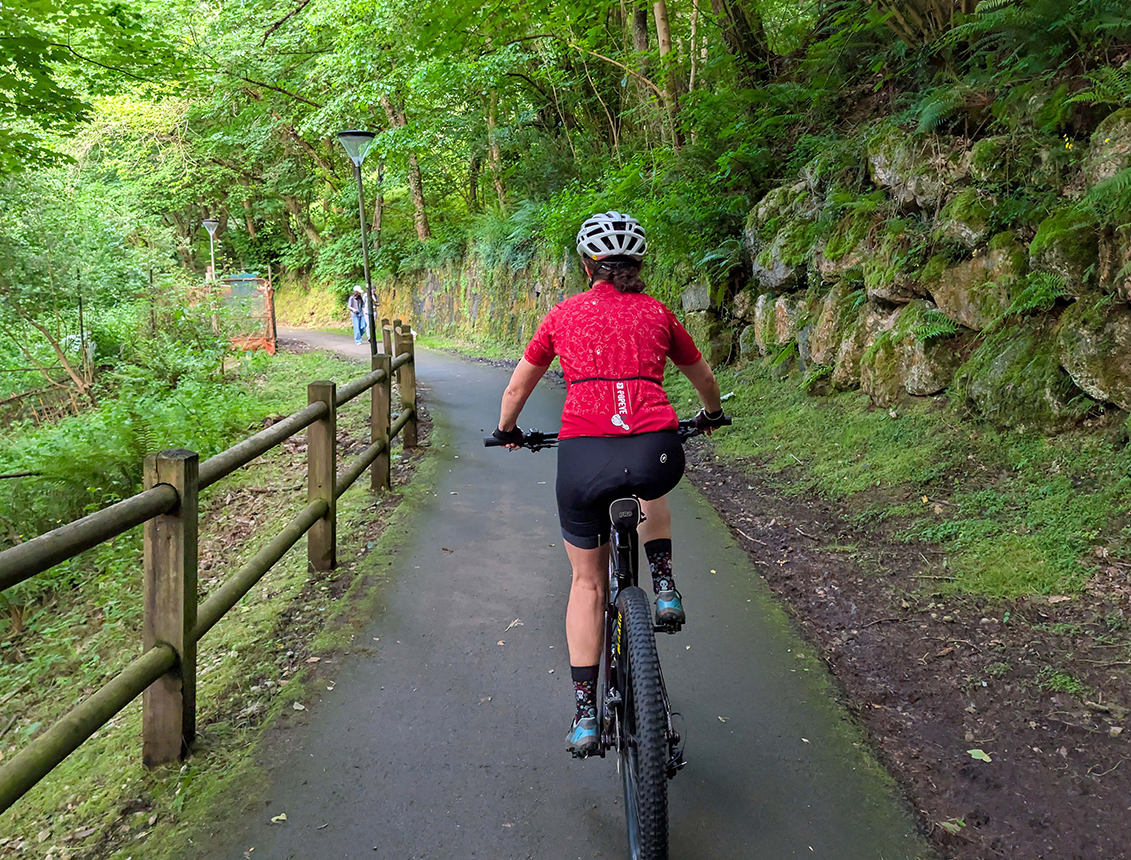
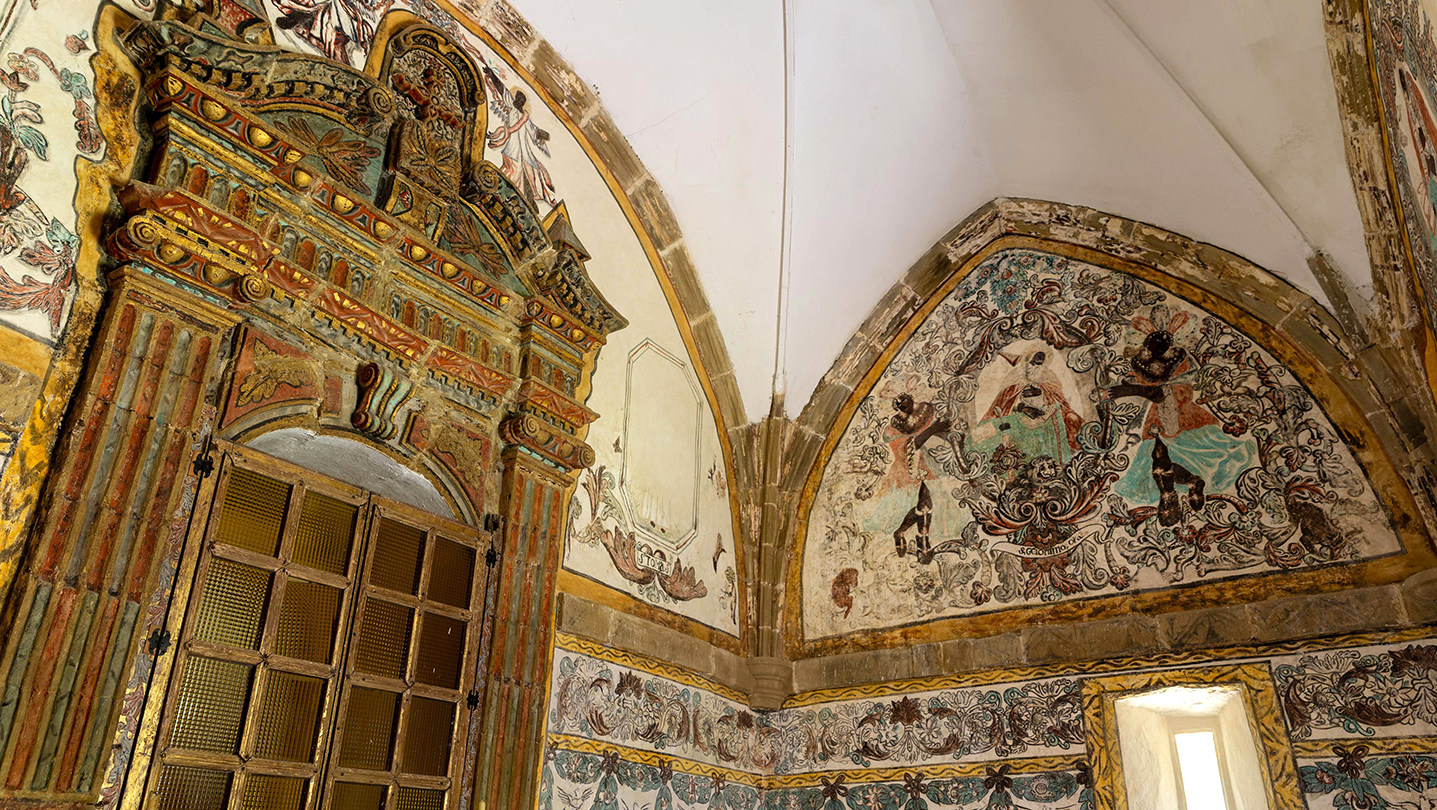
Travelers may visit the county for many reasons: Santa Cristina de Lena, the chapels of Monsacro, the Roman road of La Carisa, the Camino de El Salvador, the granaries of Bueño, the mining headframes and settlements, the Angliru, Valgrande-Pajares, Fuentes de Invierno, hiking trails, mountain biking, or mountain cuisine. Yet the county’s true appeal lies not merely in ticking off a list of sites, but in understanding how they all speak to an inland Asturias—one that is accessible, authentic, and full of character. A county to visit without haste, to observe closely, to eat well, to listen to its history, and to discover a mountain that remains, above all, a place where life is truly lived.