


The fabada that doesn’t appear in the guides: a culinary secret to be discovered
The heartbeat that travels with the current
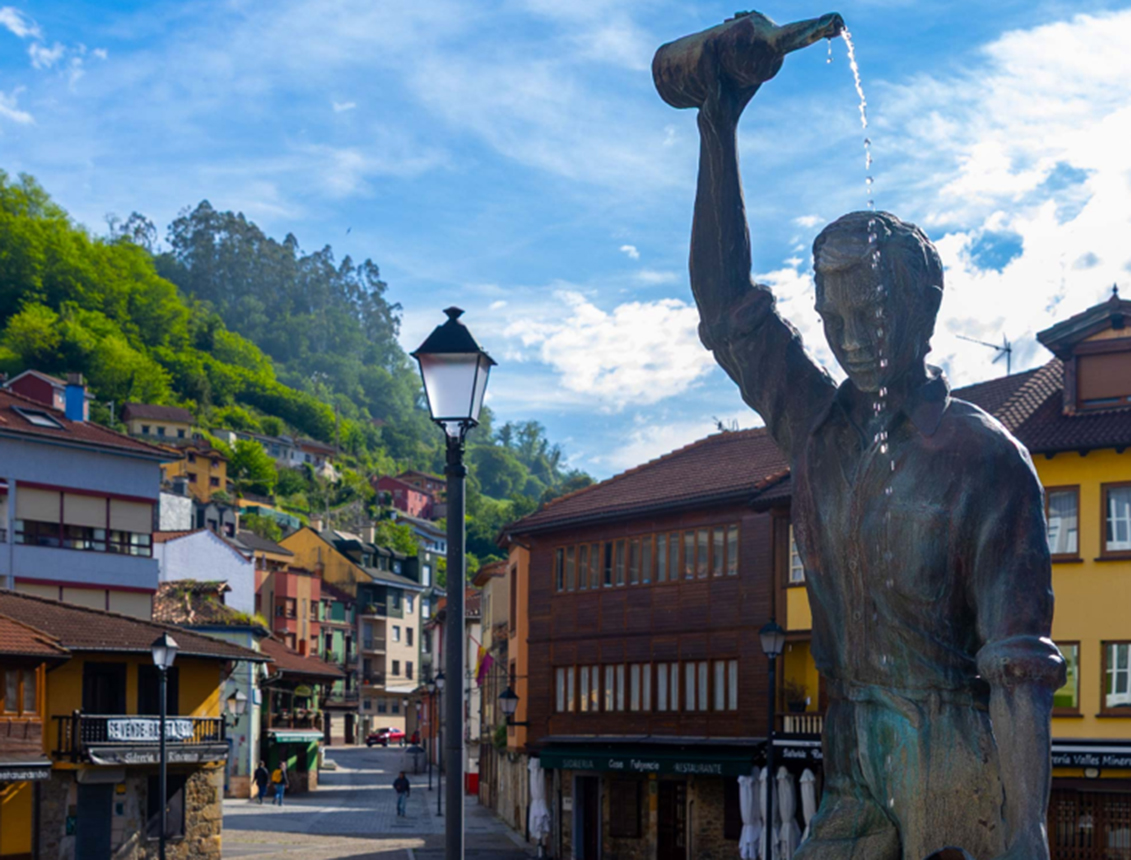
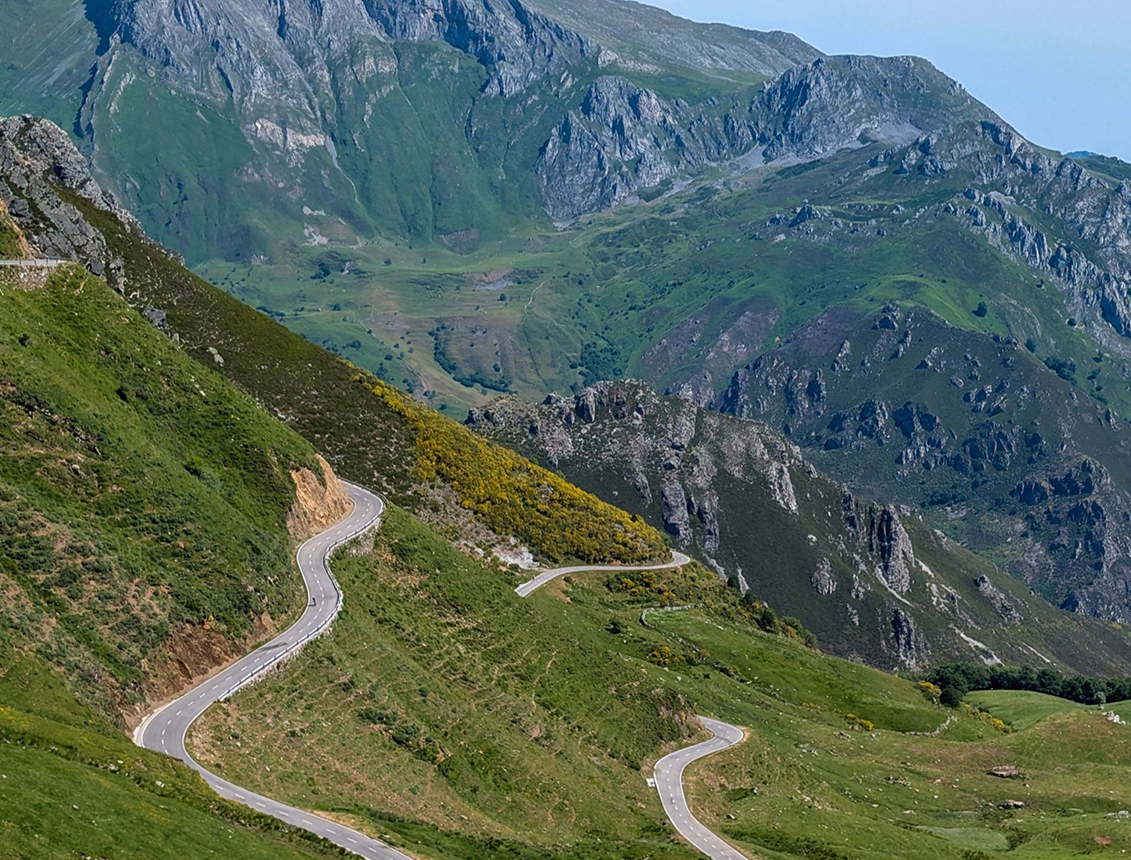
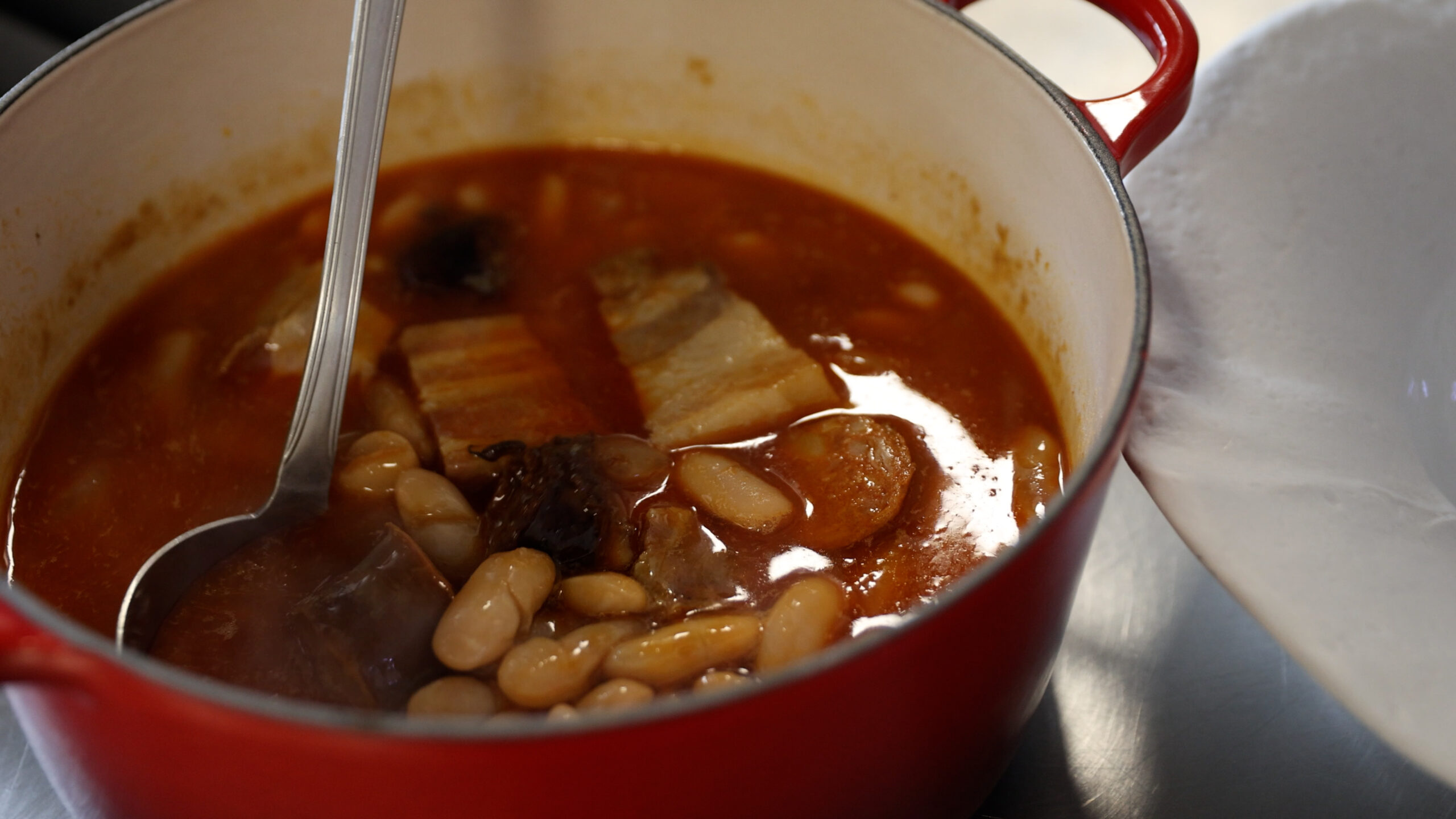
In the Asturian Central Mountain, there are still places where cooking does not understand trends or menus designed for tourists. Places where fabada continues to reach the table steaming, cooked over low heat and with that deep flavor that only appears when there is memory behind a recipe.
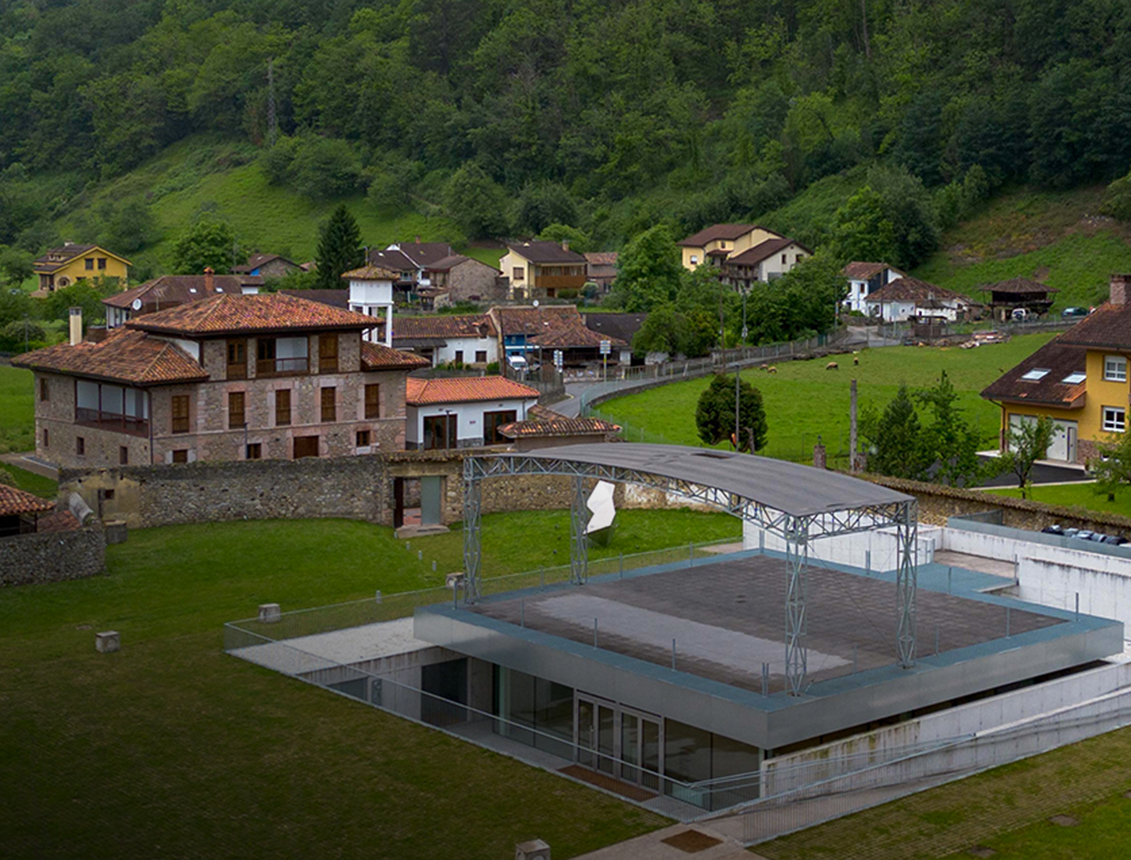
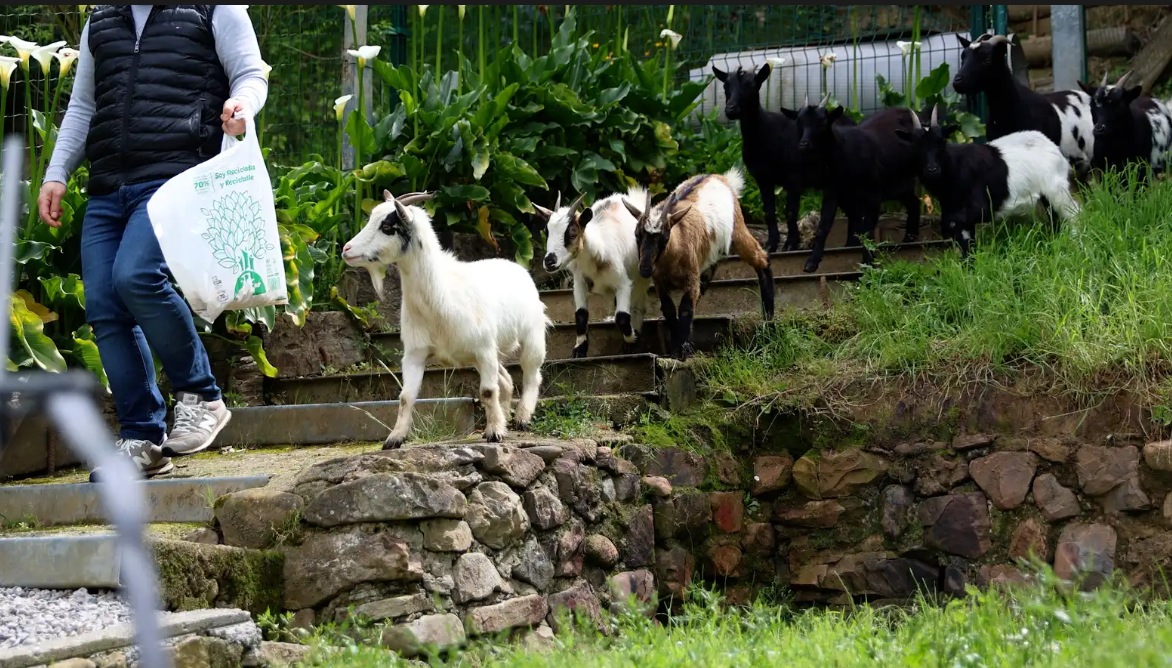
Here, between the valleys of Riosa and Morcín, small eateries, roadside bars, and family kitchens survive that safeguard something increasingly difficult to find: authenticity. The ingredients continue to depend on the rhythm of the countryside, the small vegetable gardens, the family slaughter, and local producers who continue to work as they did decades ago. The beans (fabes) are selected with patience, the compango is cured slowly, and time (that ingredient impossible to industrialize) continues to mark the rhythm of each cooking.
And the truth is that the difference is noticeable from the very first spoonful.
The flavor born of the place
In the Central Mountain, there are still small bars where the menu changes according to what is available that day and the recipes are passed from generation to generation without needing to be written down. Humble places, often away from the best-known routes, where luxury is not in the decor but in the aroma coming from the kitchen. They are places where no one tries to reinterpret tradition, because the tradition simply remains alive.
Each house prepares fabada in a slightly different way: creamier, more robust, with a lighter or darker broth. But they all share the same essence: they taste of territory, authenticity, mountain, and real cooking.
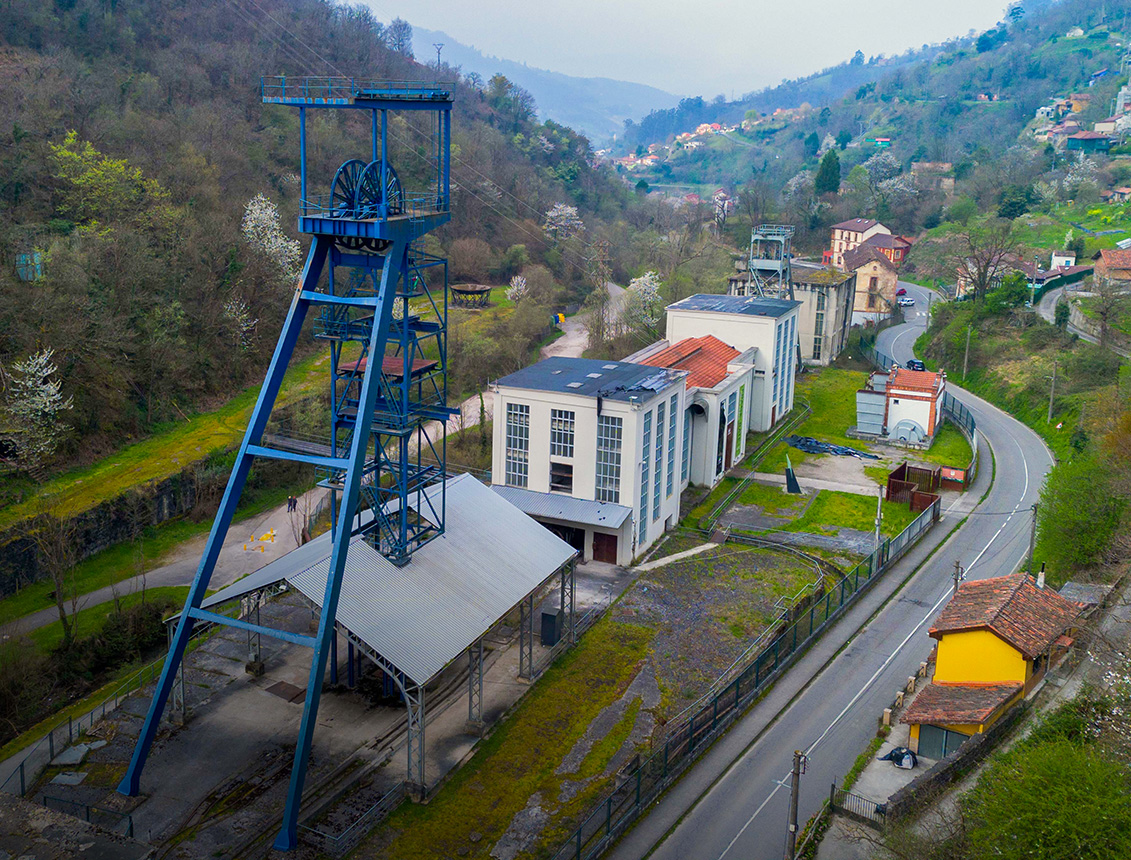
Talking about fabada in the Central Mountain is also talking about identity. For generations, these dishes fueled extremely hard days in the fields and in the mine. They were recipes designed to comfort, share, and sustain entire communities. That is why gastronomy here has a deeply emotional component. It is not preserved out of tourist nostalgia, but because it remains part of daily life.
While other destinations turn their gastronomy into a showcase, the Central Mountain maintains a certain discretion intact. The traveler who arrives here has the feeling of discovering something that still belongs to the local people. You don’t come just to try a fabada; you come to understand where it is born: from kitchens lit early, the slow smoke of the compango, the vegetable gardens that survive between mountains, and a way of understanding food where truth matters more than appearance.
Perhaps the true luxury of the Central Mountain is this: sitting at a small table in a village bar, looking out the window while the fog descends on the mountain… and having a freshly made fabada arrive that tastes exactly like the place where you are.
Without filters and without spectacle, just honest cooking.
- Compartir


Más del Blog